What do I do about my car having an oil leak?
What Do I Do About My Car Having an Oil Leak?
A Complete, High-Authority Guide for Drivers in Starkville, Columbus, West Point, and the Golden Triangle
Oil leaks are one of the clearest warning signs your vehicle will ever give you—and also one of the most ignored. Drivers see a spot on the driveway and assume it’s nothing. They smell burning oil on the way home and hope it “goes away.” They top off the oil and convince themselves the leak “isn’t that bad.”
But here’s the truth every driver in Starkville, Columbus, West Point, and the greater Golden Triangle area needs to understand:
An oil leak is never minor, never harmless, and never self-correcting.
Oil leaks always progress, always spread, and always lead to bigger mechanical consequences if not addressed early.
Mississippi’s heat, humidity, aging roadways, rural driving conditions, and high-mileage vehicle population make oil leaks even more aggressive. If you live anywhere near Mississippi State University, Highway 82, Highway 45, Old West Point Rd, Louisville St, or down toward Artesia and Crawford, your vehicle experiences the type of conditions that accelerate gasket wear, seal failure, and oil breakdown.
This guide gives you everything—clear, direct, no-nonsense:
• Why oil leaks matter
• What causes them
• Early symptoms most people ignore
• What you must do immediately
• How real technicians diagnose leaks (not guess)
• What happens if you ignore it
• Why oil leaks are more common in the Golden Triangle
• And when to bring your vehicle to a trusted local shop
By the end, you’ll know exactly what to do to protect your engine and keep your vehicle running strong.
Section 1: Why Oil Leaks Matter More Than Drivers Realize
Oil is the engine’s protection system—its lubrication, cooling, pressure control, and internal stability depend entirely on clean oil being fully contained. When oil leaks, that stability breaks immediately.
1. Lubrication Loss
Oil prevents metal-on-metal contact. Less oil means more friction and heat.
2. Cooling System Breakdown
Oil carries heat away from internal components. Without it, surface temperatures spike.
3. Pressure Loss
Modern engines depend on oil pressure for timing and hydraulic operation.
4. Seal Deterioration
When oil leaks, the remaining gaskets dry out, harden, and fail faster.
5. Accelerated Internal Wear
Friction, heat, and pressure loss combine for rapid engine deterioration.
6. Spread and Contamination
Oil travels across surfaces, coating belts, sensors, mounts, and electrical systems.
Mississippi adds extra stress:
• Humidity breaks down gasket material
• Heat cycles fatigue rubber faster
• Backroads, uneven pavement, and potholes stress sealing surfaces
• Rural driving pushes engines harder at longer intervals
• High-mileage vehicles dominate the Golden Triangle area
When the environment is harder on the engine, oil leaks develop sooner and worsen more quickly.
Section 2: The Most Common Causes of Oil Leaks
Oil leaks come from dozens of possible locations. Because oil travels, the visible leak usually isn’t the true source. Correct identification requires precision.
The most common leak sources in Mississippi vehicles include:
1. Valve Cover Gaskets
Exposed to constant heat, these seals flatten and crack, allowing oil to run down the engine.
2. Oil Pan Gasket
Located on the underside of the engine—vulnerable to age, heat, and road debris.
3. Timing Cover Gaskets
A leak here spreads wide across the engine front, often appearing from multiple directions.
4. Oil Filter Housing Gaskets
Modern engines route oil and coolant through these housings. Gasket breakdown causes major leaks.
5. Rear Main Seal
A large rotating seal between engine and transmission. When it leaks, it leaks constantly.
6. Crankshaft & Camshaft Seals
These shafts rotate thousands of times per minute. Heat breaks down these seals over time.
7. PCV System Failures
When the system clogs, internal pressure forces oil past seals.
8. Oil Cooler Lines
Metal-to-rubber connections fail under heat and pressure cycles.
9. Oil Pressure Sensor Leaks
Sensors crack internally or leak through their threads.
10. Incorrect Oil Filter Installation
Double gaskets, poor filter quality, or over-tightening create immediate leaks.
Section 3: Symptoms Most Drivers Overlook Until It’s Too Late
Oil leaks usually show warning signs long before they become serious. Catching them early saves engines.
1. Oil Spots on Driveways or Parking Lots
Even small spots are not normal.
2. Burning Oil Smell
Oil dripping onto exhaust components produces a distinct odor.
3. Smoke from the Engine Bay
A clear sign oil is hitting high-temperature surfaces.
4. Low Oil Level
If you need to add oil between changes, there’s a leak or consumption issue.
5. Oil Visible on Engine Components
Belts, pulleys, coils, and alternators coated in oil indicate an active spread.
6. Misfires or Rough Running
Oil in spark plug wells disrupts ignition.
7. Dashboard Oil Light
If this illuminates, pressure is already compromised.
8. Oil on the Undercarriage
Oil blown back while driving coats suspension and exhaust parts.
Section 4: What To Do Immediately When You Notice an Oil Leak
The moment you see or suspect an oil leak, follow these steps:
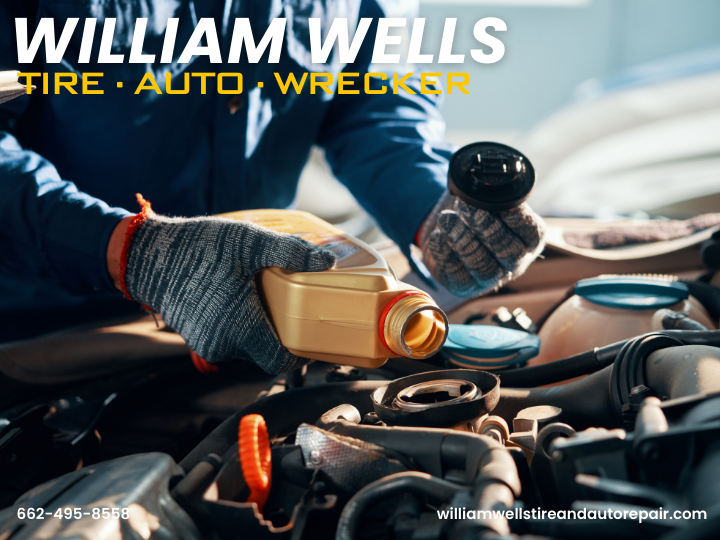
Step 1: Check the Oil Level
Protect the engine from running dry. Add oil only if it’s low.
Step 2: Avoid Long or High-Speed Trips
High RPM dramatically increases leak rate.
Step 3: Pay Attention to Warning Lights
If the oil light comes on—stop driving.
Step 4: Don’t Use Stop-Leak Additives
They cause seal swelling, clog passages, and damage engines.
Step 5: Document Symptoms
Smells, smoke, leak patterns, and oil level changes help identify severity.
Step 6: Get a Professional Inspection
Oil leaks require professional diagnosis. Guessing is how engines get damaged.
Section 5: How Real Technicians Diagnose Oil Leaks (Not Guess)
Oil leaks spread, coat components, and mimic leaks from areas that are not the true source. Professional diagnosis uses a structured sequence:
1. Full Engine Degreasing
Old oil residue is removed so fresh leaks are visible.
2. UV Dye Leak Testing
A special dye is added to the oil. Under UV light, the leak’s exact path becomes clear.
3. Hot & Cold Operation Testing
Some leaks only appear at specific temperatures or pressures.
4. Inspection of All Known Leak Points
Valve covers, pans, timing covers, PCV, sensors, housings, and lines.
5. Undercarriage Evaluation
Oil blown by airflow often hides the true origin.
6. Confirmation Before Repair
Professionals verify the exact source before recommending any repair.
This process eliminates guesswork and ensures the real leak is addressed.
Section 6: Severity Levels of Oil Leaks
Every leak falls into one of four categories:
Category 1: Seep
Damp oil film. Not urgent but needs monitoring.
Category 2: Slow Drip
Consistent drops on the ground. Needs attention soon.
Category 3: Active Leak
Drips during operation or immediately after shutdown. Requires prompt repair.
Category 4: Pressurized Leak
Oil sprays or flows rapidly under pressure. Unsafe to drive.
Section 7: The Hidden Dangers of Ignoring an Oil Leak
Ignoring an oil leak always leads to larger problems because oil does not stay still, contain itself, or slow down.
1. Oil Level Drops
Low oil leads to catastrophic internal wear.
2. Seal Failure Spreads
When one seal leaks, others usually follow.
3. Oil Damages Other Components
Alternators, belts, hoses, and sensors all absorb oil.
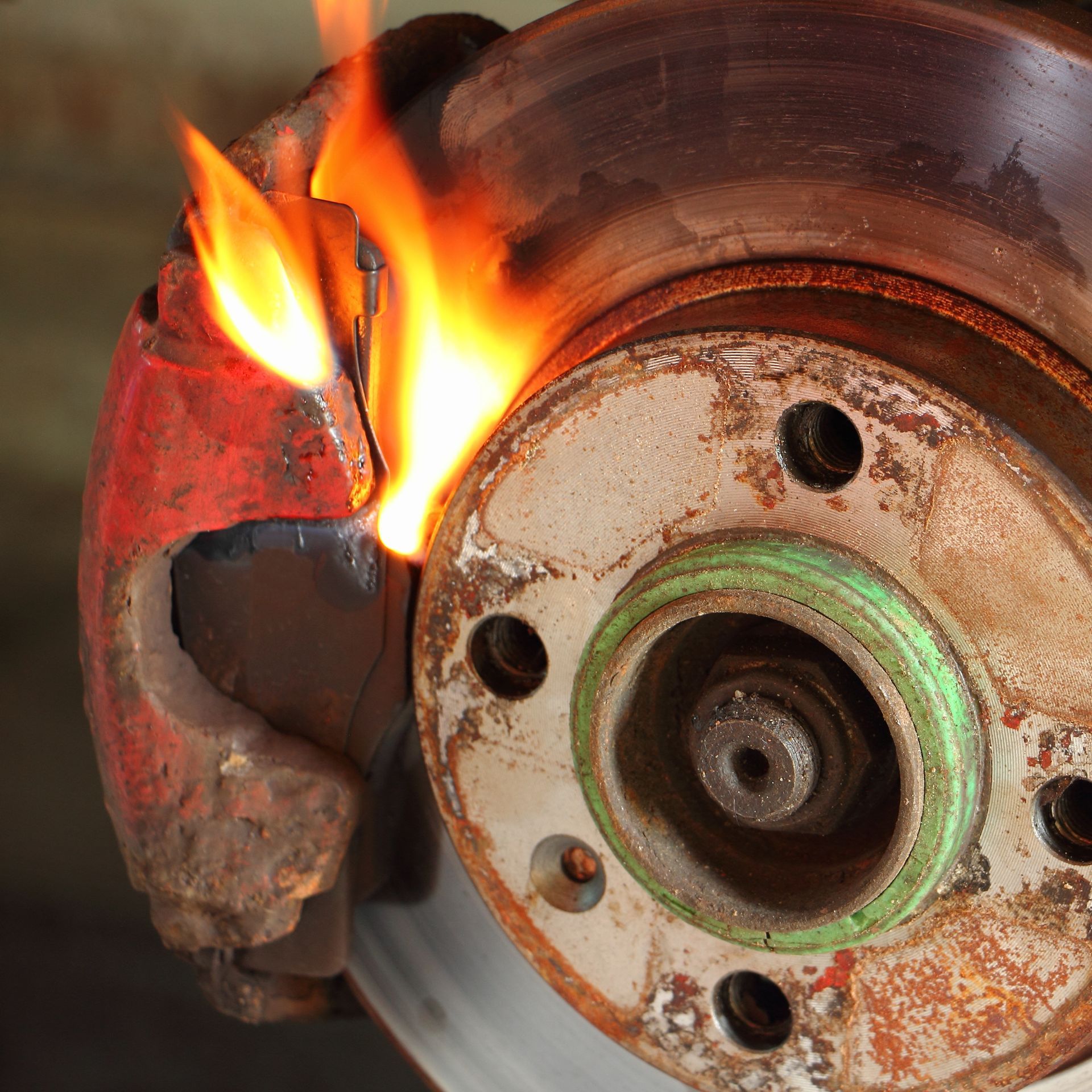
4. Fire Hazard
Oil contacting hot exhaust components can ignite.
5. Misfires & Ignition Damage
Oil in plug wells causes misfires, coil failure, and rough running.
6. Catalytic Converter Damage
Burned oil carbonizes internal surfaces.
7. Environmental Damage
Oil leaks contaminate soil, concrete, and stormwater lines.
8. Engine Longevity Drops
Heat, friction, and sludge shorten engine life dramatically.
Section 8: Can You Drive With an Oil Leak?
This is the wrong question.
The right question is:
How long can the engine survive with an oil leak?
A seep might be manageable short-term.
A slow drip demands attention soon.
An active or pressurized leak is unsafe.
If the oil light comes on, survival time goes to zero.
Section 9: Why Oil Leaks Are Common in the Golden Triangle
The regional environment directly affects seals, gaskets, and oil condition.
1. High Heat & Humidity
Accelerates gasket breakdown and oil degradation.
2. Heavy Rural Commuting
Long drives at high speeds stress seals.
3. Older Vehicles
Many Starkville, Columbus, and West Point vehicles have high mileage.
4. Rough Roads
Backroads and uneven pavement shake and distort sealing surfaces.
5. Frequent Temperature Swings
Cold mornings and hot afternoons fatigue rubber.
6. Agricultural Dust & Debris
Particles contaminate engine surfaces and accelerate degradation.
Mississippi vehicles simply face tougher conditions—and leaks show up sooner.
Section 10: How to Prevent Future Oil Leaks
Prevention depends on consistency and quality.
1. Routine Oil Changes
Fresh oil conditions seals and prevents breakdown.
2. High-Quality Filters
Cheap filters leak or clog.
3. PCV System Maintenance
A clogged PCV system is one of the top causes of leaks.
4. Cooling System Health
Overheating kills gaskets faster than anything else.
5. Regular Inspections
Technicians can catch early seepage before it spreads.
6. Better Gasket Materials
Higher-quality gaskets hold up longer under heat and humidity.
7. Avoiding Road Hazards
Protects the oil pan and sealing surfaces.
Section 11: When It’s Time to Bring Your Vehicle to a Trusted Golden Triangle Shop
Now that the first half is complete with no shop name, here is your conversion section:
William Wells Tire & Auto
Serving Starkville, Columbus, and West Point with three fully equipped locations:
Starkville:
12919 MS-182, Starkville, MS 39759
(662) 268-4081
Columbus:
1625 Gardner Blvd, Columbus, MS 39702
(662) 240-2414
West Point:
93 W Broad St, West Point, MS 39773
(662) 495-8558
https://www.williamwellstireandautorepair.com/
William Wells Tire & Auto provides complete oil leak diagnostics and engine sealing services for the entire Golden Triangle. Their teams specialize in:
• Valve cover gasket replacement
• Oil pan gasket replacement
• Timing cover resealing
• Oil filter housing gasket repair
• Rear main seal evaluation
• PCV system diagnostics
• Oil cooler line repairs
• UV dye leak testing
• Full digital inspections with photos
• High-quality parts and sealing materials
Drivers across Mississippi State University, Starkville, Columbus, West Point, Artesia, Louisville, and surrounding areas trust William Wells for clarity, precision, and long-term vehicle protection.
Section 12: Final Thoughts
An oil leak is not a minor problem—it is a message. It tells you something in your engine is changing, deteriorating, and requiring attention. The longer you wait, the larger the problem becomes.
Drivers in Starkville, Columbus, West Point, and the surrounding Golden Triangle experience more leaks than most regions due to heat, humidity, backroads, dust, longer commutes, and older vehicles. That makes early detection, proper diagnosis, and professional repair even more essential.
Your next steps are simple:
• Don’t ignore the signs
• Check your oil regularly
• Avoid long drives with active leaks
• Schedule a professional inspection
• Repair leaks before they spread
• Maintain your engine consistently
Protect your engine with clarity, discipline, and high standards—because that’s what keeps your vehicle running strong for years.
You can watch the video