How Much Does Brake Repair Cost?
How Much Does Brake Repair Cost? What Actually Changes the Price?
If you’re trying to price out brake repair, you’ve probably noticed the answers are all over the place. That doesn’t automatically mean anyone is being dishonest—it usually means you’re comparing different repairs that get labeled the same way.
“Brake repair” can be as simple as replacing worn pads, or it can involve rotors that are out of spec, a sticking caliper, binding hardware, brake fluid condition, or a vibration that’s actually caused by tires or suspension.
The most customer-first way to handle this is to understand what changes the scope and what a shop should measure and verify before recommending anything. That’s how you avoid paying for work you don’t need—and how you avoid repeat brake problems that come back as noise, pull, or uneven wear.
Soft next step: If your brakes are making noise, vibrating, pulling, or just feel different, start with an inspection built on measurements—not assumptions.
What “brake repair” can mean (and why quotes vary so much)
Two vehicles can both “need brakes” and require totally different work. Brake repair might include:
- Brake pads replacement
- Pads and rotors replacement
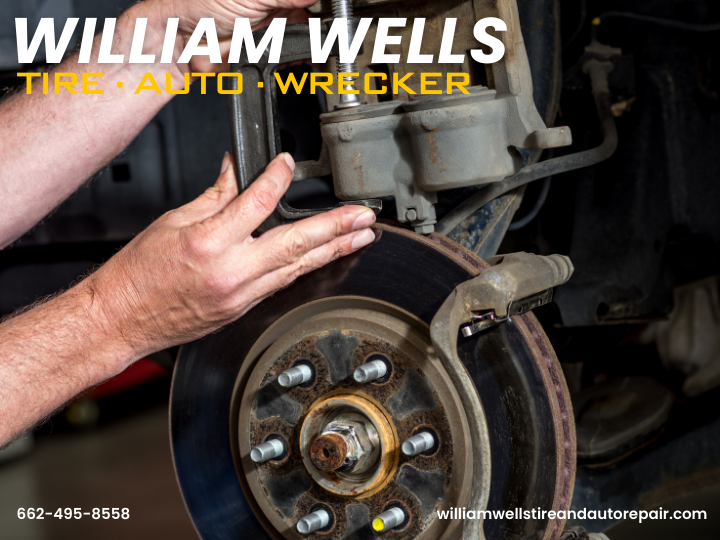
- Servicing or replacing a caliper (sticking piston causes pulling, overheating, uneven wear)
- Restoring slides and hardware (a common root cause of squeal and rapid wear)
- Brake fluid service (degraded/contaminated fluid affects pedal feel and heat performance)
- Repairing leaks (hoses, lines, calipers, master cylinder)
- Diagnosing ABS / brake warning light issues
- Repairing or adjusting parking brake components (often tied to rear brake concerns)
A trustworthy estimate starts by identifying which category you’re actually in—based on inspection.
What actually changes brake repair cost
1) Front vs rear vs both
Front brakes often wear faster, but not always. The correct recommendation comes from:
- Pad thickness measurements (inner and outer, left and right)
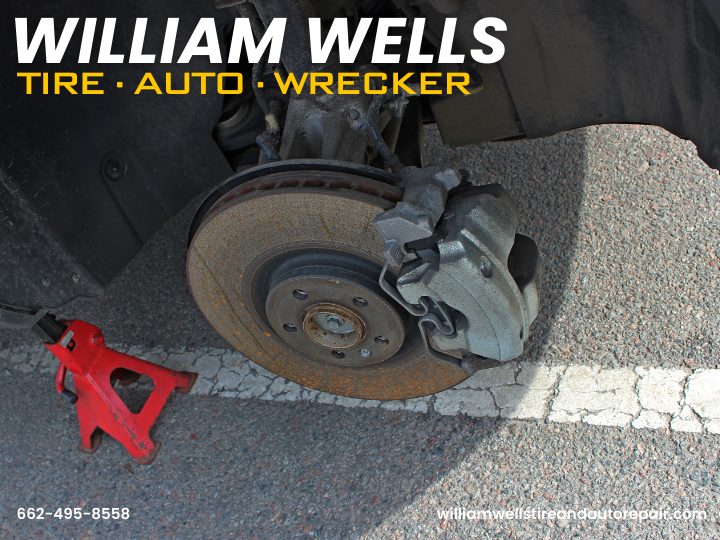
- Rotor thickness compared to minimum spec
- Wear balance side-to-side
2) Pad choice (noise, dust, longevity)
Pads aren’t all the same. Compound affects:
- Noise control and vibration
- Dust level
- Heat tolerance
- Rotor friendliness
- Lifespan
The cheapest pad can become the most expensive decision if it squeals, dusts heavily, or wears unevenly and brings you back early.
3) Rotor condition (and whether “pads only” is realistic)
Rotors should be evaluated with measurements—not a quick glance. Scope changes based on:
- Thickness vs spec
- Surface condition (grooves, heat spots, cracking)
- Runout/variation checks if you feel pulsation or steering shake
If rotors are out of spec, “pads only” often becomes a short-lived fix.
4) Calipers, slides, and hardware (where brake jobs succeed or fail)
A lot of repeat brake problems happen when friction parts get replaced but the system still binds:
- Slides sticking
- Hardware rusted/worn
- Bracket corrosion causing pads to hang up
- Caliper pistons sticking intermittently
Fixing binding is what makes brake repairs last and wear evenly.
5) One side vs both sides on an axle
Brakes are typically serviced in pairs on the same axle (left and right). Doing one side can create pull and imbalance. If you’re quoted one side, ask:
- What was proven to have failed?
- How will braking balance be maintained?
6) Brake fluid and hydraulic condition
Brake fluid absorbs moisture over time, which can affect pedal feel and braking under heat. Fluid service becomes more relevant when:
- Pedal feel is soft or inconsistent
- Repairs open the system (bleeding is required)
- There are signs of contamination or leaks
7) Your symptoms (symptoms change the diagnostic path)
- Squeal: wear indicator, glazing, hardware vibration, pad compound
- Grinding: friction material likely gone; rotor damage likely
- Pulsation/vibration: rotor variation/runout; sometimes suspension contributes
- Pulling: caliper/slide or tire/suspension factors
- Soft pedal: air/fluid/leaks
Different symptoms require different confirmation steps—which changes the repair scope.
The real risk of waiting (no fear, just reality)
Delaying brake service usually doesn’t keep the job the same:
- Pads that could have been replaced early become rotor damage
- Minor binding becomes overheating and caliper failure
- Light vibration becomes uneven wear that returns quickly
Catching it early keeps your options open and the repair more predictable.
What it feels/sounds/looks like when brakes are truly due
- Light squeal with normal braking: inspect soon
- Grinding / scraping: stop driving until inspected
- Steering shake while braking: confirm whether brakes or suspension are involved
- Car pulls while braking: diagnose before replacing parts
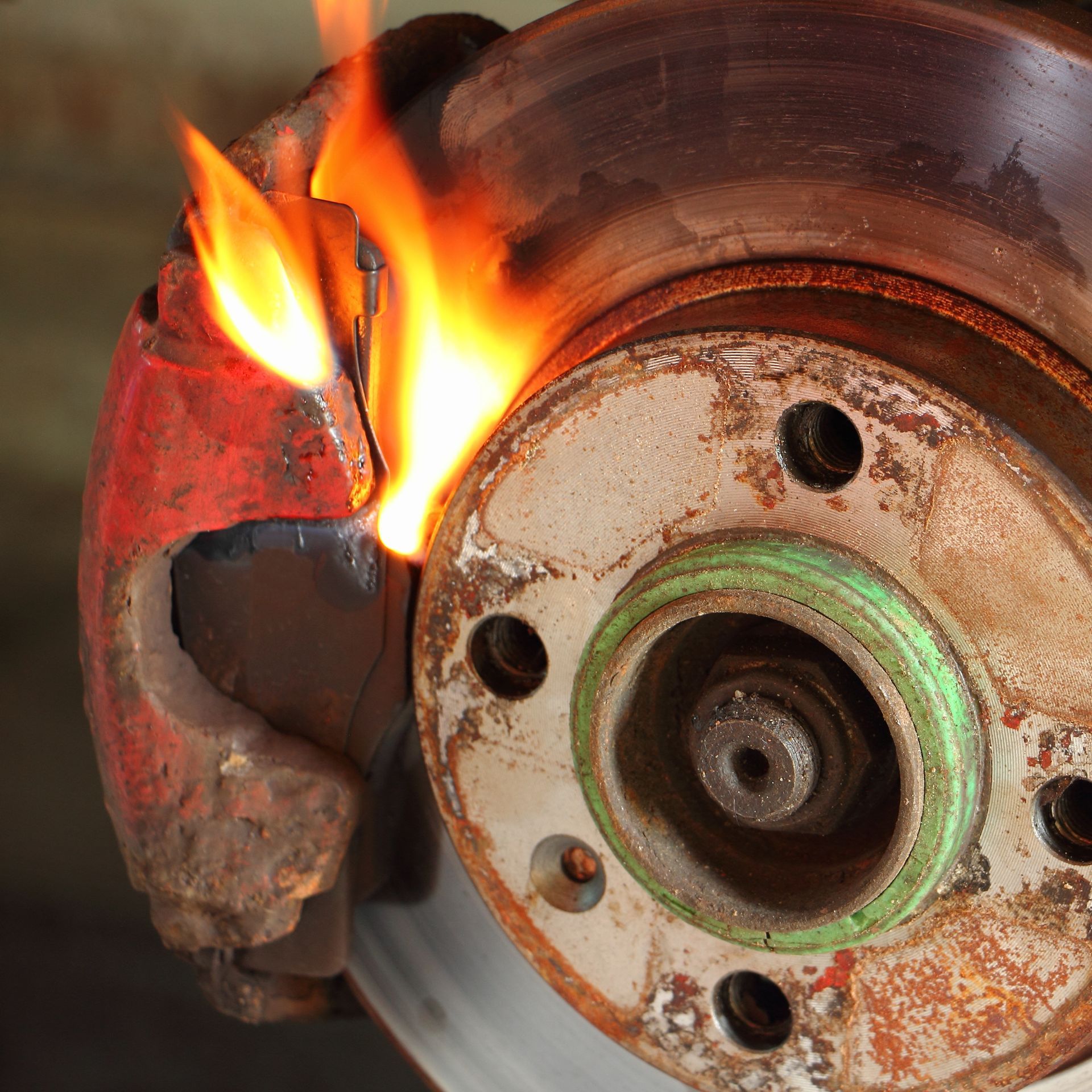
- Burning smell after braking: possible dragging brake
- Soft/sinking pedal: needs prompt inspection
How a real shop confirms what you actually need (and prevents wasted repairs)
A proper brake inspection should include:
- Road test (when safe): confirm noise, vibration, pull, pedal feel
- Measure pads inner and outer, left and right
- Measure rotors and evaluate surface condition
- Check caliper slides/hardware movement (binding is common)
- Inspect for leaks (hoses, lines, calipers, master cylinder)
- Check fluid condition and system integrity
- Verify parking brake function
- If warning lights exist: scan and confirm cause before replacing parts
If you’re not seeing measurements or hearing what was verified, you’re being asked to approve a guess.
What people waste money on (common brake repair traps)
- Replacing pads/rotors without correcting binding slides/hardware
- Treating every vibration as “rotors” when suspension/tire factors exist
- Choosing the cheapest pads without discussing noise/longevity tradeoffs
- Doing one side only on an axle without a balance plan
- Parts-swapping instead of confirming the root cause
Good brake service is diagnosis-first, then options.
Repair options that keep you in control (good / better / best)
Good: Restore safe braking now
- Replace worn components on the affected axle
- Best when wear is normal and the system is healthy
Better: Reduce noise and extend service life
- Include slide/hardware service
- Choose pads designed for quieter operation and even wear
Best: Fix root causes (especially if symptoms exist)
- Correct binding, overheating, and uneven-wear causes
- Confirm vibration/pull properly so you don’t pay twice
When to stop driving
Do not keep driving if you have:
- Grinding/metal-on-metal noise
- Soft or sinking pedal
- Strong pull during braking
- Burning smell with one wheel unusually hot
- Brake warning light with noticeably worse braking feel
If it’s mild squeal and braking feels normal, you can usually drive short-term—but get it checked soon.
Ready for a brake inspection in Starkville, Columbus, or West Point?
William Wells Tire & Auto has locations across the area, so you can get a measurement-based answer on what your brakes need (and what can wait) without pressure.
Starkville: 12919 MS-182, Starkville, MS 39759 —
(662) 268-4081
Columbus: 1625 Gardner Blvd, Columbus, MS 39702 —
(662) 240-2414
West Point: 93 W Broad St, West Point, MS 39773 —
(662) 495-8558
Website: https://www.williamwellstireandautorepair.com/
Mid-funnel CTA: If another shop quoted brakes but couldn’t explain the measurements, it’s reasonable to ask for pad/rotor measurements and the condition notes in plain English.
FAQ
Do I always need rotors when I replace pads?
Not always. It depends on rotor thickness, surface condition, and whether you’re experiencing vibration. Measurements determine the right call.
Why are my brakes squealing if I still have pad life?
Squeal can come from glazing, hardware vibration, pad compound, or rotor finish—not just low pads.
What causes brake vibration or pulsation?
Often rotor variation/runout, but worn suspension parts and tire issues can contribute. A proper inspection confirms the source.
Why does my car pull when braking?
Common causes include a sticking caliper, binding slides, uneven friction, or tire/suspension factors. Diagnosis prevents wasted repairs.
Should I replace front and rear brakes at the same time?
Only if both axles measure due or you’re planning ahead for convenience. It shouldn’t be automatic.
Is brake fluid service necessary?
Sometimes. Fluid absorbs moisture over time. If it’s contaminated, or repairs open the system and require bleeding, service may be recommended.
What should I ask before approving brake work?
Ask what was measured (pads and rotors), what was found on slides/hardware, and what options exist with tradeoffs.
Can tires or suspension cause “brake” vibration?
Yes. Some vibrations appear during braking but originate from suspension wear, tires, or alignment issues. A road test helps confirm.
Internal link suggestions
- Brake Repair / Brake Service
- Brake Inspection / Brake Noise Diagnosis
- Tire Services & Rotation
- Wheel Alignment
- Suspension & Steering Repair
You can watch the video