ABS stands for Anti-lock Braking System, and its job is to help keep your tires from locking up during hard braking. When the ABS light comes on, the car is telling you the system has shut off or limited that feature because it detected a fault. Your normal brakes still work, but the extra control ABS provides in slick or panic-stop situations may not be available.
That difference matters most when you need it fast.
Why The ABS Light Comes On
The ABS computer is constantly watching wheel speed signals and a few key inputs that affect braking stability. If it sees a signal it cannot trust, it stores a code and turns the light on so you know the system is not operating as designed. Sometimes the cause is a sensor at a wheel, and other times it is a wiring or power issue that interrupts communication.
It can also come on after low battery voltage, a recent repair, or corrosion at a connector. The light is not there to accuse a specific part, it is there to tell you the ABS system has stopped protecting you the way it should.
What Changes When ABS Is Disabled
Without ABS, your brakes still build hydraulic pressure and stop the vehicle. What you lose is the rapid pulsing control that prevents wheel lockup when traction is limited. On wet pavement, gravel, or a sudden stop on a cold morning, that can mean a longer slide and less steering control while braking hard.
You may notice the brake pedal feels mostly normal in everyday driving. The difference shows up during aggressive braking, where the tires can lock and skid instead of being managed in short pulses. That is why you should treat the ABS light as a safety issue, even if the car seems to drive normally.
Common Causes Behind The ABS Light
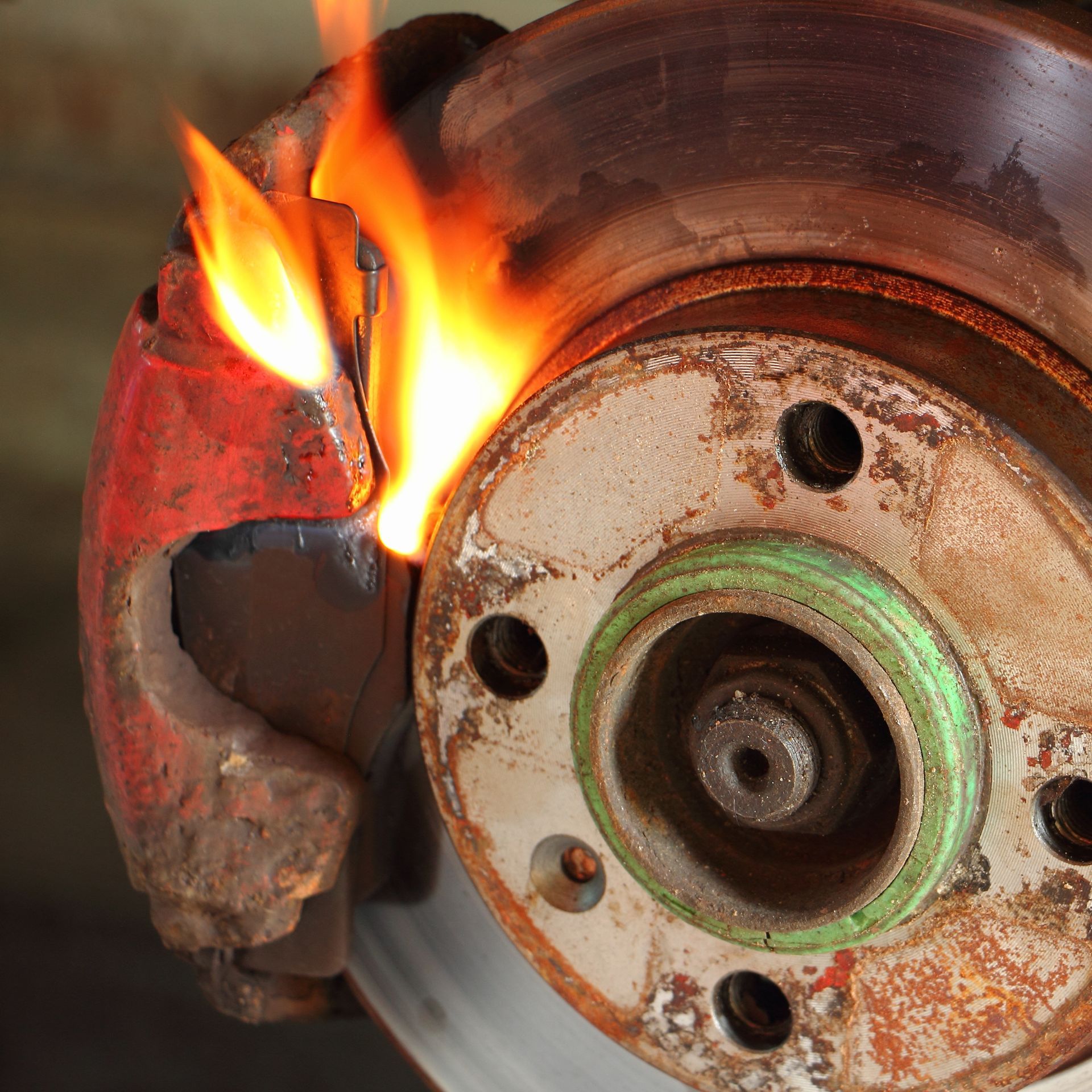
Wheel speed sensors are a top cause. They read a tone ring or magnetic encoder at each wheel, and if the signal drops out, ABS turns off to avoid making the wrong decision during braking. Dirt buildup, rust, a cracked sensor, or a damaged tone ring can all create a bad signal.
Wiring issues are just as common, especially near the wheels, where wires flex and are exposed to road salt and water. A chafed harness, a loose connector, or water intrusion can cause intermittent faults. We also see failures in the ABS module or pump assembly, but it makes sense to confirm the basics first because many faults are simpler than they sound.
Quick Checks You Can Do Without Tools
Start with the obvious: is the brake fluid level between the min and max marks, and is it stable? Low fluid can trigger brake warnings, and it can also point to brake pad wear or a leak that should be addressed immediately. Also pay attention to whether other lights are on at the same time, like traction control, since those systems often share wheel speed information.
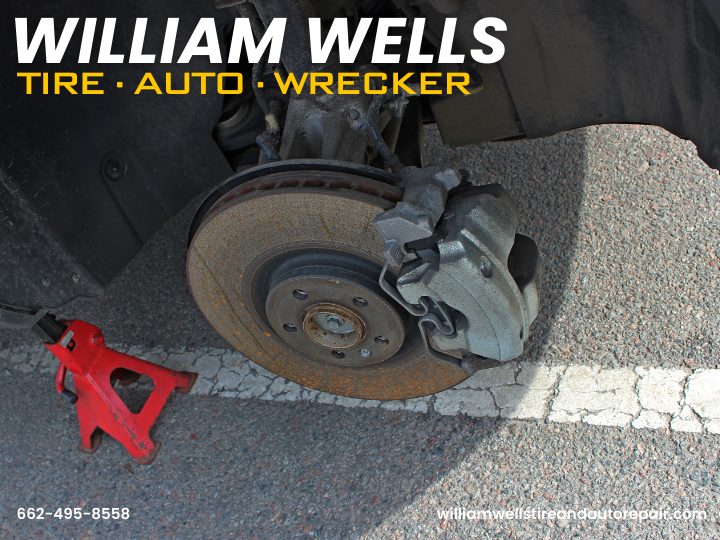
Take a look at each tire area if you can do it safely. If one wheel has heavy rust flaking, obvious damage, or a recently replaced axle or bearing, that corner is worth mentioning during an inspection. If the light appeared right after a battery issue or jump-start, note that too, because low voltage events can set faults that need to be cleared after the real cause is fixed.
When It’s Safe To Drive And When It Isn’t
If only the ABS light is on and the brake pedal feels firm, you can usually drive carefully to get it checked. Give yourself extra following distance, avoid hard braking, and remember the tires can lock more easily on wet roads. Treat it like you are driving an older vehicle without ABS until the system is restored.
If you also have a red brake warning light, a soft pedal, a grinding noise, pulling while braking, or the pedal sinks, do not keep driving like normal. That combination points to a braking problem beyond ABS, and it needs attention right away. A simple rule is: any change in braking feel should move you from wait-and-see to a plan.
How We Confirm The Real Cause
The first step is reading the stored ABS codes and looking at live wheel speed data while the vehicle is tested. That tells us whether one wheel is dropping out, whether the signal is noisy, or whether the module is seeing a power or communication issue. From there, we inspect the wiring and connectors at the suspected corner and check for mechanical problems that can affect the sensor signal, like bearing play or tone ring damage.
This is also where regular maintenance helps because catching worn bearings, cracked boots, and corrosion early prevents the sensor system from being damaged by vibration and contamination. Once the cause is confirmed, the repair becomes straightforward, and the ABS system can be restored with confidence.
Get ABS Service In Columbus, MS With William Wells Tire & Auto
If your ABS light is on, the next step is confirming whether the problem is a wheel speed signal issue, wiring damage, low-voltage history, or a module fault, then correcting the source so the light stays off.
Schedule service with William Wells Tire & Auto in Columbus, MS, West Point, MS, or Starkville, MS, and we’ll test the system and explain what the code is actually pointing to.
You will know exactly what changed and what it takes to make your braking system fully supported again.