Why is my TPMS light on?

Why Is My TPMS Light On? The Real Reasons Your Tire Pressure Monitoring System Activates
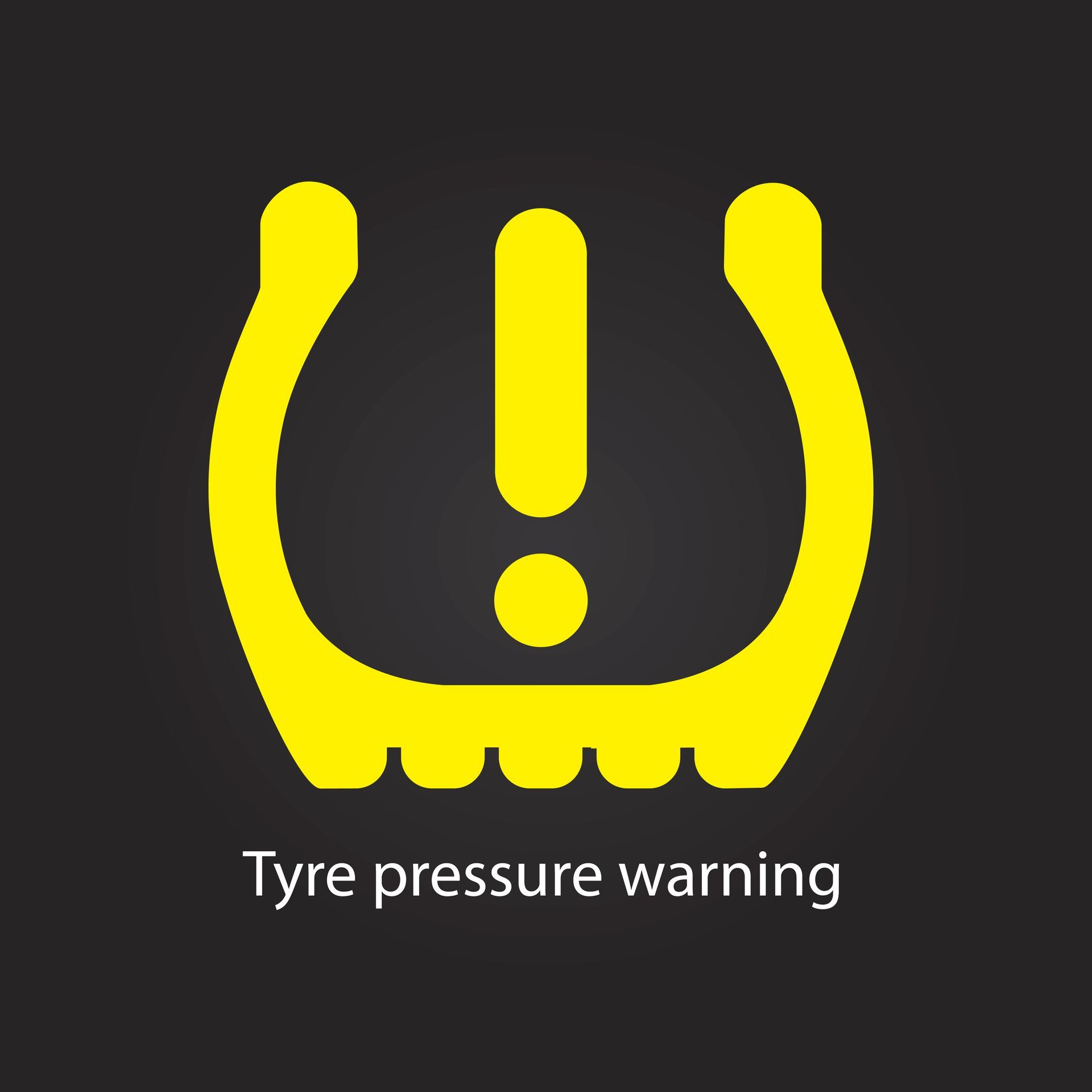
Modern vehicles come equipped with advanced safety systems designed to protect you long before you feel anything wrong behind the wheel. One of the most important—and one of the most misunderstood—is the TPMS light, or Tire Pressure Monitoring System alert.
Most drivers see the TPMS light turn on and assume the tire is simply “a little low.” But the TPMS system is not a casual reminder. It is a federally mandated safety feature designed to detect unsafe pressure levels, temperature changes, sensor failures, and pressure loss patterns that signal deeper problems.
In the Golden Triangle of Mississippi—Starkville, Columbus, West Point, and the surrounding areas—drivers experience significant temperature swings, long rural drives, construction zones, and fast-changing weather conditions. These factors make the TPMS warning especially common throughout Oktibbeha, Lowndes, and Clay Counties.
This guide explains exactly why the TPMS light appears, what it means, how to diagnose the real source of the issue, and why timely service matters.
Section 1: What the TPMS Light Actually Means
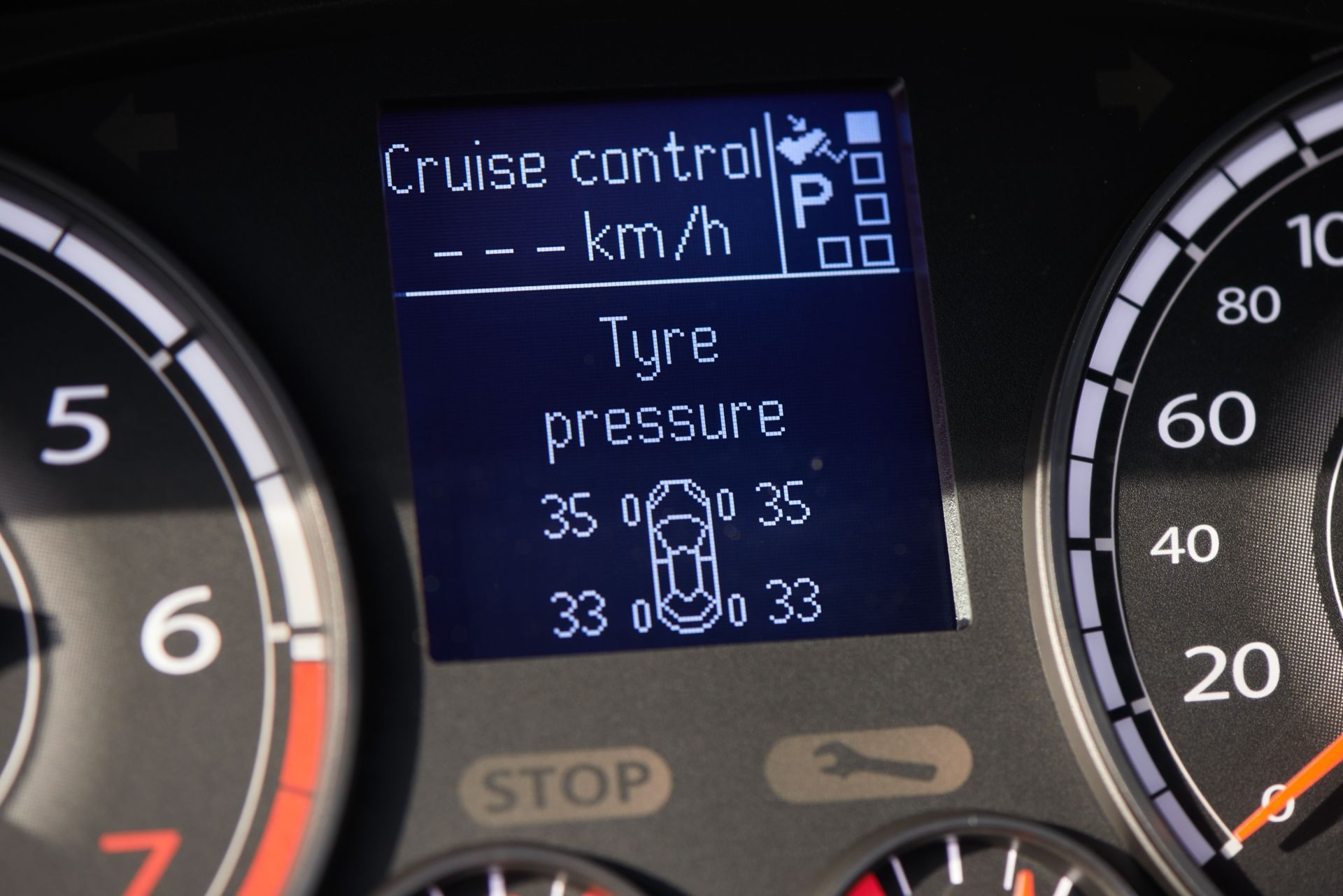
Your TPMS system constantly monitors each tire’s pressure and sensor communication. It activates the moment something drifts outside the engineered safety threshold.
Your TPMS light may turn on when:
- Tire pressure drops below the safe minimum
- Tire pressure rises above the safe maximum
- A tire loses pressure faster than expected
- A TPMS sensor stops communicating
- A sensor battery weakens or fails
- The TPMS module detects a system fault
The system also monitors:
- Tire temperature
- Rate of pressure change
- Sensor signal strength
- Wheel speed (for indirect TPMS)
- Internal sensor battery levels
- Data communication between sensors and the vehicle computer
This means the light isn’t just pointing to low pressure—it’s detecting a safety concern in real time.
Section 2: The Most Common Reasons Your TPMS Light Is On
The TPMS light can activate for a wide range of reasons, from simple to serious.
1. Natural Pressure Loss Over Time
Tires lose air naturally as part of normal use due to:
- Rubber permeability
- Valve relaxation
- Temperature cycles
- Seasonal shifts
This gradual loss eventually triggers the TPMS light.
2. Temperature Changes in Mississippi
The Golden Triangle region sees significant temperature swings between seasons, and sometimes within a single day.
For every 10°F temperature drop, tire pressure decreases by approximately 1 PSI.
This is why drivers commonly see the TPMS light:
- Early in the morning
- During cold fronts
- After overnight storms
- During winter cold snaps
In areas like Starkville, Columbus, and West Point, rapid temperature drops are a major TPMS trigger.
3. Slow Tire Leaks
Slow leaks are one of the most common causes of TPMS activation. These leaks often result from:
- Nails
- Screws
- Road debris
- Small punctures
- Sidewall damage
- Bead sealing issues
- Aging tire rubber
Highway areas such as Highway 82, MS-12, MS-182, Main Street, and College Street regularly have debris from construction, agriculture, and commercial traffic.
Slow leaks may feel subtle, but the TPMS catches them before they escalate.
4. Valve Stem or Core Damage
Valve stems can leak due to:
- Age
- Heat
- Moisture
- Corrosion
- Road contamination
- Weak valve cores
Because many TPMS sensors are built into the valve stems, any damage or corrosion can cause inaccurate readings or pressure loss.
5. Weak or Dead TPMS Sensor Batteries
TPMS sensors typically last 5–10 years. As the internal batteries fail:
- The sensor loses communication
- Readings become inconsistent
- The TPMS light flashes before staying solid
- Pressure data becomes unreliable
This is one of the most common causes of TPMS issues in older vehicles.
6. Tire Rotation, Installation, or Service
After tire service, the vehicle must relearn sensor positions. If this step is skipped:
- Readings may not match the correct wheel
- The TPMS light may activate
- The system may fail to recognize one or more sensors
This frequently happens after seasonal tire changes or new tire installation.
7. Mixed or Unprogrammed Sensors
Drivers who own multiple wheelsets—common for sports vehicles, off-road vehicles, and seasonal setups—may have mismatched or unprogrammed sensors.
If sensors are:
- From different brands
- Different frequencies
- Using outdated IDs
- Installed without programming
the TPMS will not recognize them.
8. TPMS Control Module or Wiring Faults
A rare cause, but possible. System communication issues may occur due to:
- Wiring problems
- Module failure
- Faulty harness connections
- Water intrusion
These issues require diagnostic testing.
Section 3: Why Driving With the TPMS Light On Is Unsafe
The TPMS light is not a suggestion—it’s a warning that tire performance and safety are compromised.
1. Reduced Steering Control
Improper tire pressure affects:
- Steering responsiveness
- Cornering stability
- Highway tracking
- Vehicle handling
This is especially dangerous on rural roads, two-lane highways, and high-speed zones around Starkville, Columbus, and West Point.
2. Internal Tire Heat Buildup
Low pressure causes excessive flexing. Flexing creates internal heat. Excess heat weakens tire structure from the inside out.
This damage is invisible externally but extremely dangerous.
3. Greater Risk of Tire Failure
Underinflation is the leading cause of tire failure. At high speeds on:
- Highway 82
- MS-12
- MS-50
- Highway 25
the risk increases dramatically.
4. Uneven and Accelerated Tire Wear
Incorrect pressure causes:
- Edge wear
- Feathering
- Cupping
- Premature tread breakdown
Rough roads and rural routes in Oktibbeha, Lowndes, and Clay Counties intensify these wear patterns.
5. Compromised Braking Safety
Braking depends on stable tire contact with the road. Low pressure reduces grip and braking stability, especially during emergency stops.
Wet, rural, or uneven pavement makes this even more dangerous.
Section 4: Why the TPMS Light Turns On and Off
Fluctuating TPMS warnings are common. The causes are predictable.
Temperature Changes
Morning = lower PSI → light on
Afternoon warmth = PSI rises → light off temporarily
Slow Leaks
Pressure stabilizes briefly before dropping again.
Borderline Pressure Levels
Small PSI shifts trigger warnings.
Sensor Intermittence
Failing sensors communicate inconsistently.
Section 5: What to Do When the TPMS Light Comes On
When your TPMS light activates, take the following steps.
Step 1: Check Tire Pressure When Cold
Use an accurate tire gauge and compare to the sticker inside the driver door.
Step 2: Conduct a Visual Tire Inspection
Look for:
- Nails or screws
- Sidewall bubbles
- Punctures
- Cracks
- Cuts
Even small damage requires attention.
Step 3: Recheck Pressure After Cooling Overnight
Cold PSI readings give the clearest picture.
Step 4: Watch for Flashing TPMS Light
A flashing light indicates a sensor or system failure.
Step 5: Schedule a Professional TPMS Diagnostic
A proper diagnostic includes:
- Real-time sensor readings
- Sensor battery testing
- Leak detection
- Valve stem inspection
- Sensor ID scanning
- TPMS module testing
- System relearn and calibration
Only a trained technician can identify the exact cause.
Section 6: Why TPMS Issues Are Common Throughout the Golden Triangle
Environmental and regional driving conditions make TPMS warnings frequent in this area.
1. Rapid Temperature Changes
Mississippi weather swings dramatically between warm and cold fronts.
2. Long Drives on Rural Highways
High speeds increase heat buildup in underinflated tires.
3. Road Debris and Construction Zones
Construction on Highway 182, Highway 82, and MS-12 increases puncture hazards.
4. Humidity and Moisture
Moisture affects valve stems and sensor longevity.
Section 7: Small Issues vs. Major Problems
Your TPMS alert could indicate:
- Normal pressure loss
- A slow or hidden leak
- Valve stem corrosion
- A failing sensor battery
- A damaged sensor
- A calibration issue
- Internal tire damage
- A module wiring problem
A professional inspection determines the actual cause.
Section 8: How Technicians Diagnose TPMS Problems
A complete TPMS diagnostic includes:
Step 1: Reading TPMS Codes
Identifies sensor or system faults.
Step 2: Comparing Manual PSI to Sensor Data
Detects inaccurate readings.
Step 3: Leak Testing
Includes valve inspection, bead checks, and submersion testing.
Step 4: Internal Tire Inspection
Some punctures or cracks are only visible from inside.
Step 5: Sensor Age Evaluation
Old sensors require replacement.
Step 6: System Relearn
Ensures all sensors communicate correctly with the TPMS module.
Section 9: When You Should Seek Immediate Service
Seek immediate attention if:
- The light stays on after adding air
- One tire repeatedly loses pressure
- The light flashes before going solid
- The vehicle pulls or vibrates
- You hit debris or a pothole recently
- Visible tire damage is present
- The light appears at highway speeds
These indicate a potentially dangerous condition.
Section 10: Why Professional TPMS Service Matters
Your TPMS integrates with major safety features:
- ABS
- Traction control
- Stability control
Incorrect tire pressure data compromises these systems.
Section 11: Why TPMS Service Requires Expertise
Proper TPMS service requires:
- Programming tools
- Precision torque
- Correct sealing
- Sensor ID matching
- Vehicle-specific relearn processes
Improper service results in recurring warnings and performance issues.
Section 12: Final Thoughts: The TPMS Light Is a Safety Alert, Not a Suggestion
The TPMS light is your vehicle’s early warning system. Whether it’s triggered by temperature swings, slow leaks, valve issues, failing sensors, or communication faults, the warning means something requires attention.
Drivers across Starkville, Columbus, West Point, and the surrounding Golden Triangle depend on safe, stable tires for commuting, rural driving, and highway travel. Addressing the TPMS light quickly protects your vehicle, your tires, and your safety.
Professional TPMS Diagnostics and Tire Service in Starkville, Columbus & West Point, MS
If your TPMS light is on, a full inspection identifies the exact cause and restores system reliability.
William Wells Tire & Auto provides complete TPMS diagnostics, sensor replacement, valve stem service, leak detection, tire repairs, and system recalibration.
Locations:
Starkville: 12919 MS-182, Starkville, MS 39759 — (662) 268-4081
Columbus: 1625 Gardner Blvd, Columbus, MS 39702 — (662) 240-2414
West Point: 93 W Broad St, West Point, MS 39773 — (662) 495-8558
Website: https://www.williamwellstireandautorepair.com/
You can watch the video