Transmission repair
The Complete Guide to Transmission Repair: What Starkville, Columbus, and West Point Drivers Must Know
A transmission is one of the most complex and essential systems in your vehicle. When it’s functioning correctly, shifting feels smooth, acceleration is responsive, and the driving experience is predictable and stable. When it begins to fail, your vehicle will tell you in ways big and small — slipping, hesitation, harsh shifts, noises, warning lights, or even failure to move.
Transmission issues rarely appear suddenly. They develop slowly over time, beginning with early warning signs that many drivers ignore. And because the transmission includes hundreds of internal components, one small failure can quickly cascade into major internal damage.
This guide is built for drivers across Starkville, Columbus, West Point, and the entire Golden Triangle region. Whether you commute through Mississippi State University, travel Highway 82, drive through downtown Columbus, or run daily errands around West Point, understanding your transmission will help you extend the life of your vehicle and avoid major repair challenges.
This is an advanced, long-form, high-authority breakdown — not an entry-level overview. You’ll learn how the transmission works, the signs of trouble, the causes of failure, the repair and diagnosis process, and how to choose the right professionals to protect your vehicle.
Section 1: What Your Transmission Actually Does
Your engine produces energy, but your transmission determines how that energy becomes movement. Without a properly functioning transmission, acceleration, speed control, and drivability collapse.
1.1 The Three Core Functions of Your Transmission
Your transmission:
• Regulates and times each gear shift
• Applies engine torque to the wheels
• Adjusts wheel speed to driving conditions
Whether you’re navigating Starkville traffic, traveling the rural roads between Columbus and West Point, or merging onto Highway 25, your transmission determines how stable and smooth your vehicle feels.
1.2 Types of Transmissions and How They Behave
Automatic Transmission
Shifts gears automatically using fluid pressure, internal clutches, solenoids, valves, and sensors.
Continuously Variable Transmission (CVT)
Uses pulleys and belts instead of gears, providing smooth, continuous acceleration.
Manual Transmission
Driver-operated with a clutch pedal and gear selector.
Dual-Clutch Transmission (DCT/DSG)
Uses two clutches for fast, precise gear shifts — common in performance or European vehicles.
Each transmission type has unique failure patterns and maintenance requirements. Understanding your system helps you track symptoms more effectively.
Section 2: The Early Warning Signs of Transmission Trouble
Transmission problems start with subtle symptoms that become more noticeable over time. Early detection prevents serious internal wear.
2.1 Slipping
You press the accelerator, but your vehicle doesn’t respond as expected. This may signal clutch wear, fluid pressure loss, or internal component failure.
2.2 Delayed Shifting
A pause between gear changes indicates hydraulic pressure problems, fluid breakdown, or solenoid malfunction.
2.3 Harsh or Jerky Shifting
Abrupt shifts often point to internal wear, miscommunication between sensors, or valve body issues.
2.4 Fluid Leaks
Transmission fluid is usually red or pink. Leaks can occur at:
• Coolers
• Cooler lines
• Seals
• Pan gasket
• Valve body connections
• Torque converter
Low fluid is one of the fastest paths to severe internal damage.
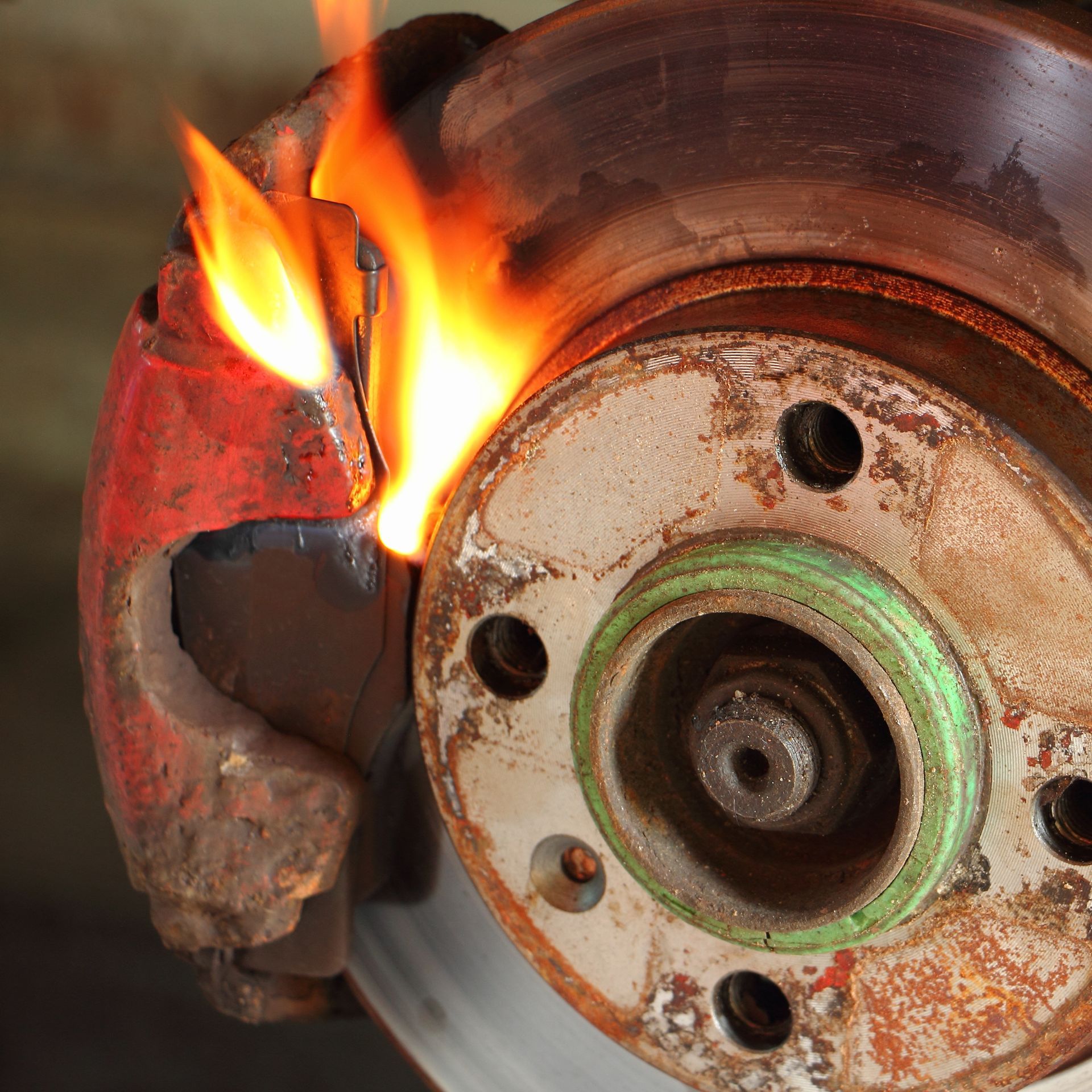
2.5 Burning Smell
A burnt odor indicates overheated fluid — one of the earliest and most serious signs of internal stress.
2.6 Odd Sounds
Whining, grinding, humming, or clunking noises suggest internal wear or fluid contamination.
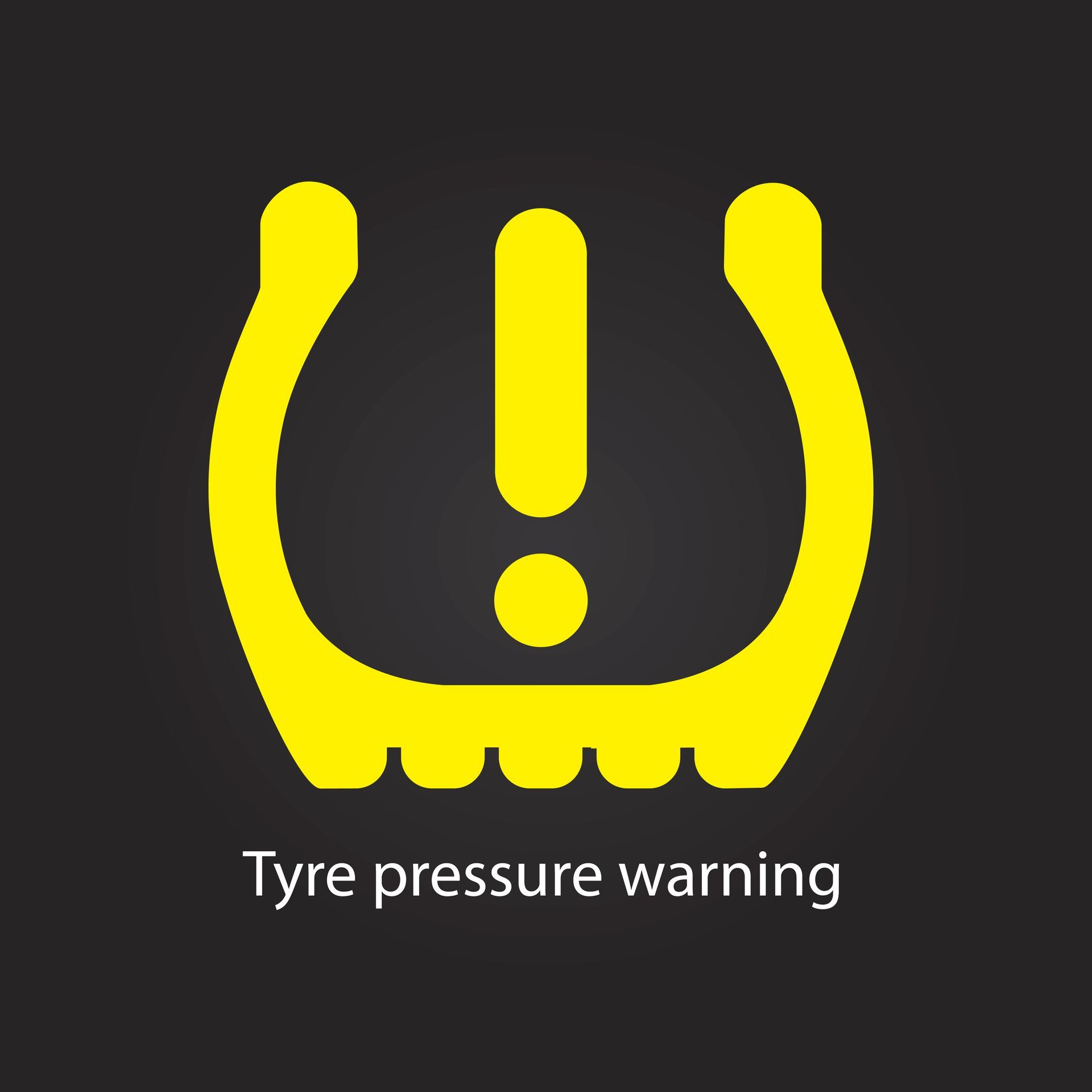
2.7 Warning Lights
Modern vehicles use sensors to detect:
• Gear ratio errors
• Pressure faults
• Solenoid failures
• Temperature issues
A warning light means something measurable has gone wrong.
2.8 Stuck in One Gear
Often called “limp mode,” this is a protective measure triggered when a major failure is detected.
Any of these signs — especially combined — signal the need for immediate inspection.
Section 3: Why Transmissions Fail — The Key Causes
Transmission failure is almost always predictable. Understanding why it happens helps you prevent major breakdowns.
3.1 Heat
Heat is the largest contributor to transmission wear. Mississippi’s climate — with hot summers across Starkville, Columbus, and West Point — increases fluid temperature daily.
Traffic on Highway 82 or Main Street intensifies this heat, thinning fluid and accelerating internal wear.
3.2 Fluid Breakdown
Transmission fluid:
• Lubricates
• Cools
• Maintains hydraulic pressure
• Prevents friction
When it degrades, the transmission cannot protect itself.
3.3 Local Driving Patterns
Golden Triangle drivers regularly experience:
• Start-and-stop traffic
• Highway speeds
• Rural road travel
• Extreme summer heat
• Cold starts in winter
• Towing and hauling needs
These conditions stress the system in unique ways.
3.4 Mechanical Wear
Clutches, bearings, seals, gears, and internal components naturally wear down.
3.5 Electronic Failures
Modern transmissions rely heavily on:
• Solenoids
• Pressure sensors
• Vehicle and speed sensors
• Computer modules
• Temperature sensors
One malfunctioning electronic component can create major drivability problems long before mechanical wear appears.
Section 4: How Transmission Diagnosis Actually Works
A real transmission diagnosis is thorough, precise, and systematic — not guesswork.
4.1 Step 1: Road Test
A trained technician evaluates:
• Acceleration
• Shift timing
• Engagement delay
• Slipping
• Noises
• Downshifting behavior
• Vibration under load
Driving behavior provides the initial roadmap.
4.2 Step 2: Computer Diagnostics
Your vehicle stores detailed data on:
• Gear ratio errors
• Shift timing problems
• Temperature inconsistencies
• Pressure faults
• Electronic failures
This identifies whether the issue is mechanical, hydraulic, electronic, or a combination.
4.3 Step 3: Fluid Inspection
Fluid condition reveals:
• Heat exposure
• Contamination
• Metal particles
• Clutch wear
• Burnt components
Fluid analysis is often the most accurate indicator of internal transmission health.
4.4 Step 4: External Component Evaluation
Before opening the transmission, technicians inspect:
• Solenoids
• Sensors
• Transmission mounts
• Cooler lines
• Linkages
• Wiring harnesses
• Gaskets and seals
Many transmission symptoms come from external components.
4.5 Step 5: Pressure Testing
Proper internal pressure is essential for shifting and torque delivery. Low pressure indicates pump failure, worn seals, valve body issues, or internal leaks.
4.6 Step 6: Determining the Correct Repair Strategy
Depending on results, repairs may include:
• Solenoid replacement
• Sensor replacement
• Valve body repair
• Seal or gasket replacement
• Computer module repair
• Internal component replacement
• Full transmission rebuild
The key is accurate diagnosis — not unnecessary repairs.
Section 5: What a Transmission Rebuild Really Includes
A transmission rebuild is one of the most advanced repair procedures in the automotive industry.
5.1 Full Removal & Disassembly
The transmission is removed, opened, and broken down into hundreds of individual components.
5.2 Internal Inspection
Technicians inspect:
• Gears
• Bearings
• Bands
• Clutches
• Drums
• Pistons
• Bushings
• Valve body components
• Torque converter
5.3 Replacement of Wear Components
A proper rebuild includes new:
• Seals
• Clutches
• Gaskets
• O-rings
Wear items are replaced regardless of condition.
5.4 Precision Reassembly
Rebuilding requires perfect alignment, exact torque specifications, and clean environments.
5.5 Quality Testing
After reassembly, the transmission undergoes:
• Pressure testing
• Temperature validation
• Fluid calibration
• Adaptation reset
• Road testing
The goal: smooth, predictable, reliable performance for years to come.
Section 6: Why Transmission Service Is Essential in Starkville, Columbus & West Point
Driving conditions in the Golden Triangle region pose unique challenges to transmission systems.
6.1 Hot Summers
High temperatures increase internal wear and stress fluid.
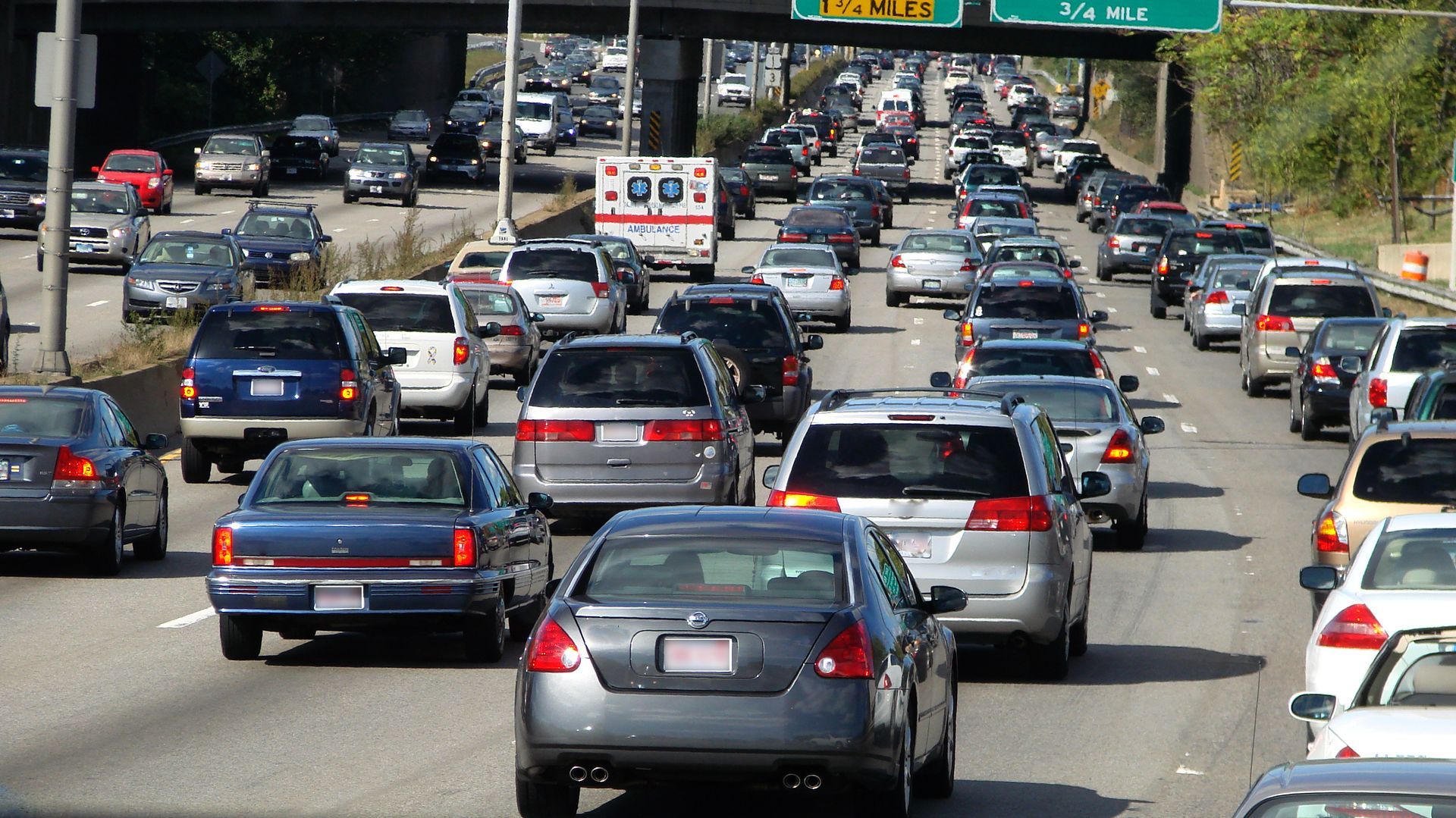
6.2 Congestion & Traffic
Drivers frequently encounter traffic on:
• Highway 82
• MS-12
• US-45
• Downtown Columbus and Starkville areas
Stop-and-go cycles increase heat and wear.
6.3 Rural Roads
Unpaved surfaces, uneven terrain, and long-distance travel in surrounding areas add shifting cycles and vibration.
6.4 Short Trips
In Starkville and West Point neighborhoods, short trips prevent fluid from reaching optimal temperature, increasing long-term wear.
Routine maintenance dramatically extends transmission life in these conditions.
Section 7: When to Seek Transmission Service Immediately
Schedule a transmission inspection if you notice:
• Slipping
• Delayed engagement
• Rough or harsh shifting
• Burning smell
• Fluid leaks
• Whining or humming
• Grinding
• Warning lights
• Stuck in one gear
Immediate service prevents further internal damage.
Section 8: Why the Technician You Choose Matters
Transmission repair demands:
• Advanced diagnostic equipment
• Mechanical and electronic expertise
• Precision assembly
• Understanding of hydraulic systems
• Clean working environments
• Deep system knowledge
Choosing the right technician determines whether your transmission repair lasts long-term or develops recurring issues.
Section 9: Transmission Repair & Service at William Wells Tire & Auto
Now that you understand how transmissions work and why failures occur, here’s what drivers can expect from William Wells Tire & Auto.
Serving customers across Starkville, Columbus, and West Point, William Wells Tire & Auto provides expert-level transmission diagnostics and repair with a commitment to accuracy, quality, and long-term reliability.
With three convenient locations:
Starkville Location
12919 MS-182, Starkville, MS 39759
(662) 268-4081
Columbus Location
1625 Gardner Blvd, Columbus, MS 39702
(662) 240-2414
West Point Location
93 W Broad St, West Point, MS 39773
(662) 495-8558
https://www.williamwellstireandautorepair.com/
Their team specializes in:
• Automatic transmissions
• CVT transmissions
• Manual transmissions
• Valve body repairs
• Solenoid and sensor replacement
• Transmission fluid service
• Electrical and computer diagnostics
• Full transmission rebuilds
Drivers throughout the Golden Triangle trust William Wells Tire & Auto for:
• Accurate, clear diagnoses
• Skilled, experienced technicians
• Honest recommendations
• High-quality workmanship
• Long-term reliability and performance
Whether you’re experiencing shifting issues, fluid leaks, noises, or a full transmission failure, the team is equipped to deliver the right solution.
You can watch the video