Is It Safe to Drive With Brakes Grinding
Is It Safe to Drive With Brake Grinding?
Brake grinding is not a normal sound and it’s not something that improves on its own. When you hear grinding, it’s a clear signal that the braking system is no longer operating the way it was designed to.
This article explains what brake grinding actually means, when it becomes unsafe to drive, what commonly causes it, and how a proper inspection confirms the real issue before any repair decisions are made. The goal is clarity — not pressure — so you can protect your safety and your vehicle.
What Brake Grinding Really Means
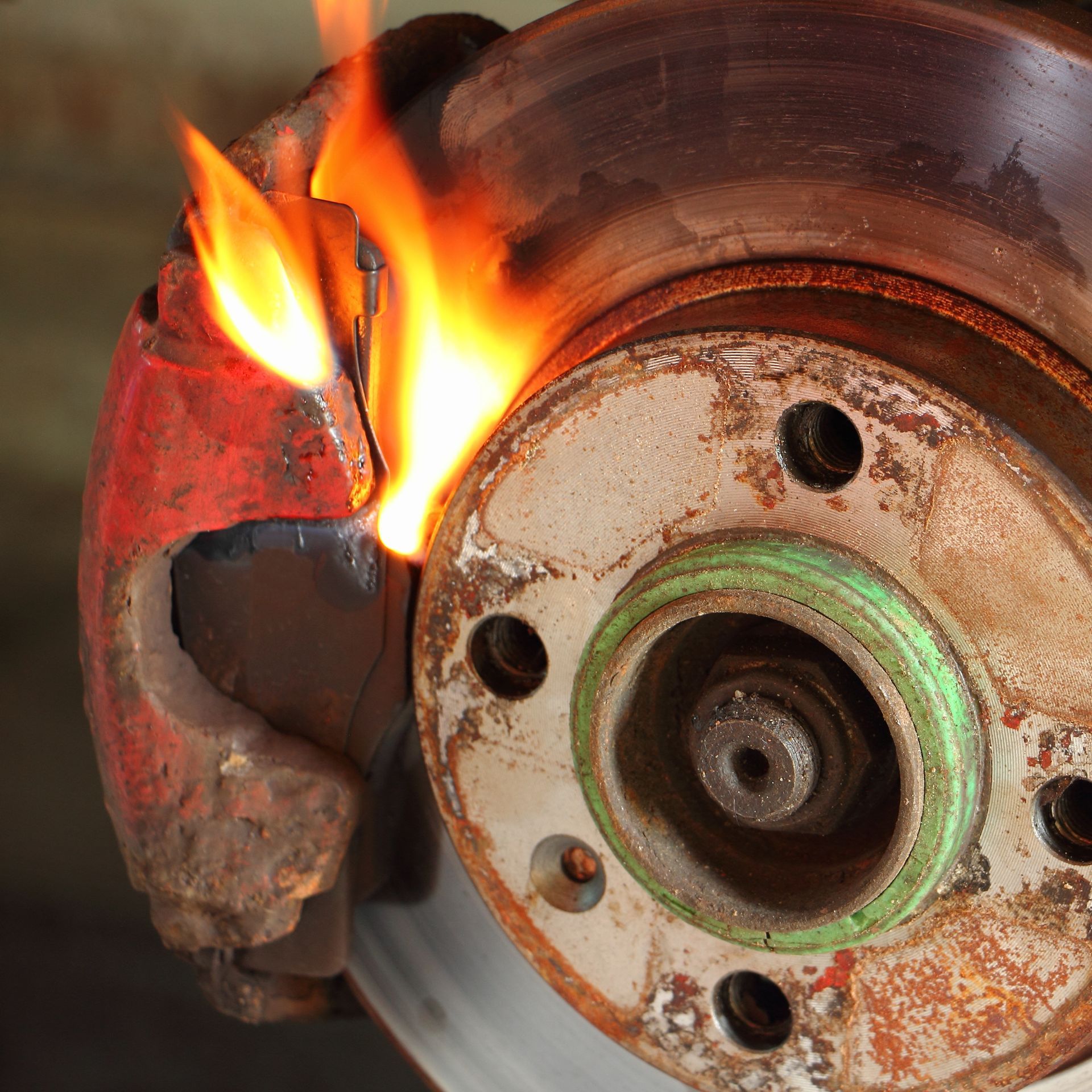
Brake grinding occurs when friction material is no longer separating metal components inside the braking system. In real-world driving, this usually points to one or more of the following conditions:
- Brake pads worn past usable material
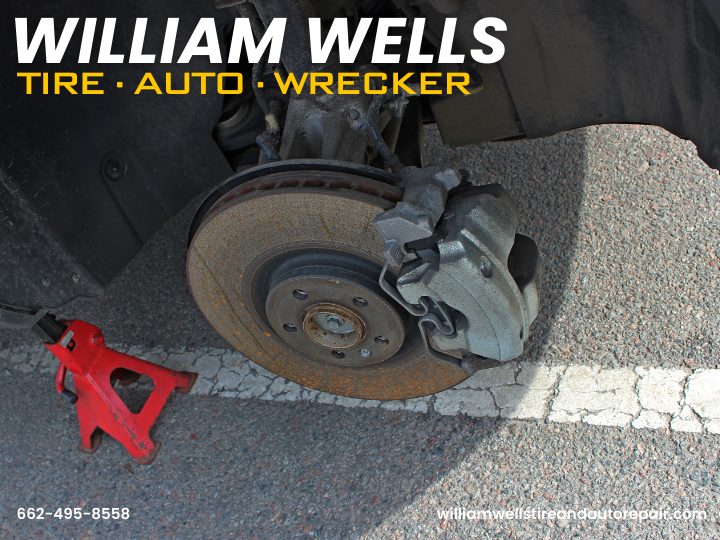
- Rotor surfaces damaged, scored, or heavily worn
- A caliper or brake hardware issue causing constant contact
Once grinding begins, braking efficiency is already reduced — even if the vehicle still seems to stop.
Is It Safe to Drive With Grinding Brakes?
In most situations, no.
Grinding brakes increase stopping distance and reduce braking control. The concern isn’t just whether the vehicle stops — it’s whether it stops when you need it to, especially in traffic or emergency situations.
In limited cases, it may be possible to drive a very short distance to a repair facility if:
- The brake pedal feels firm
- The vehicle stops straight without pulling
- No brake warning lights are illuminated
This is not a recommendation — it’s a damage-control exception.
The Real Risk of Waiting
Brake systems fail progressively, not suddenly.
When grinding is ignored, wear spreads beyond the original component and begins damaging surrounding parts. What starts as a manageable wear issue can turn into a much larger system problem.
Delaying inspection increases the likelihood of:
- Permanent rotor damage
- Caliper piston or seal failure
- Excessive heat affecting brake fluid
- Uneven braking that compromises vehicle stability
This is mechanical cause and effect, not fear-based messaging.
Common Causes of Brake Grinding
Brake grinding is a symptom, not a diagnosis. Common underlying causes include:
- Worn brake pads — friction material fully depleted
- Damaged rotors — scoring, corrosion, or heat damage
- Sticking calipers or slide pins — pads fail to release properly
- Debris intrusion — rust flakes or road debris trapped in the assembly
- Improper prior brake work — missing hardware or incorrect installation
Each cause requires a different solution, which is why inspection matters.
What Brake Grinding Usually Feels and Sounds Like
Drivers tend to notice consistent patterns as grinding develops:
Sound
- Deep metal scraping or growling
- Rhythmic grinding that changes with speed
- Loud noise at low speeds or during light braking
Feel
- Vibration in the brake pedal
- Reduced braking response
- Brake pedal feels harder than normal
Vehicle behavior
- Pulling to one side while stopping
- Increased stopping distance
- Reduced confidence during sudden stops
How a Proper Shop Confirms the Cause
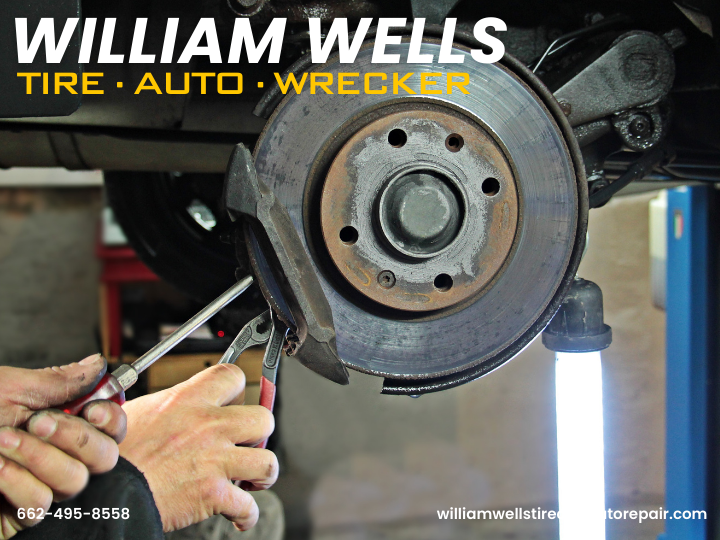
Brake noise alone isn’t enough to recommend repairs. A proper brake inspection includes:
- Measuring remaining brake pad thickness
- Inspecting rotor surfaces and wear patterns
- Checking caliper operation and slide movement
- Inspecting brake hardware and lubrication points
- Confirming no hydraulic or ABS-related concerns
The purpose is to identify why grinding is happening — not just silence the noise.
Common Mistakes That Lead to Repeat Problems
Brake grinding often leads to rushed decisions. Common mistakes include:
- Replacing pads without inspecting rotors
- Ignoring caliper or hardware problems
- Repairing only the loudest wheel
- Continuing to drive because “it still stops”
Incomplete repairs may quiet the noise temporarily, but the underlying issue remains.
Repair Paths (Decision Structure, Not Pressure)
Most grinding brake situations fall into one of these paths:
- Wear correction — addressing worn components before damage spreads
- System correction — pads, rotors, and hardware resolved together
- Component repair — caliper or mounting issues corrected to prevent recurrence
A trustworthy recommendation explains the tradeoffs and long-term impact of each option.
How to Reduce the Chances of Brake Grinding Returning
Brake wear is normal. Premature failure is not.
Helpful habits include:
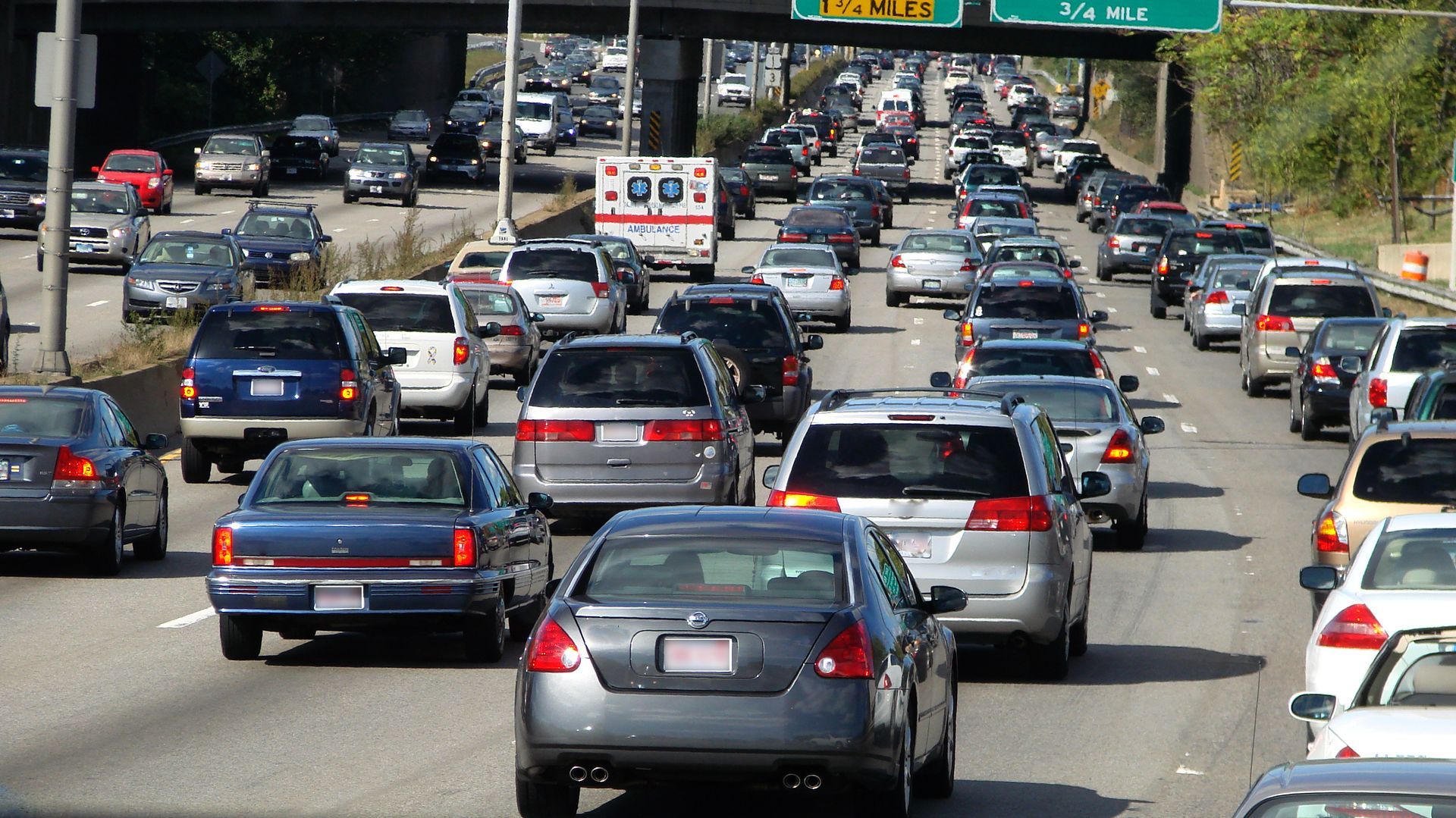
- Avoiding brake riding in stop-and-go traffic
- Addressing warning noises early
- Rinsing brake components after wet or muddy driving
- Inspecting brakes during tire rotations
Preventive attention reduces downtime and unexpected repairs.
When You Should Stop Driving Immediately
Do not continue driving if:
- The brake pedal feels soft or sinks
- The vehicle shakes aggressively while braking
- Grinding occurs even when you’re not braking
- A brake warning light is illuminated
- Stopping distance has noticeably increased
At that point, continued driving risks both safety and further system damage.
Why Long-Term Brake Care Matters
Brakes are a wear system, not a one-time repair. A shop that documents measurements, explains wear patterns, and tracks service history helps prevent the same problems from returning.
That long-term thinking protects your vehicle and your peace of mind.
What to Do Next
If your brakes are grinding, the next step isn’t guessing or delaying — it’s inspection. A professional evaluation confirms what’s happening and gives you clear options without pressure.
📍 Serving
Starkville,
Columbus,
West Point, and surrounding communities
📞
Starkville: (662) 268-4081
📞
Columbus: (662) 240-2414
📞
West Point: (662) 495-8558
🌐 https://www.williamwellstireandautorepair.com/
Locations:
• 12919 MS-182, Starkville, MS 39759
• 1625 Gardner Blvd, Columbus, MS 39702
• 93 W Broad St, West Point, MS 39773
Brake Grinding FAQs
Can brake grinding fix itself?
No. Grinding indicates ongoing metal contact that continues to cause damage.
Is grinding worse at low speeds?
Often yes, especially when brake pads are fully worn.
Can wet weather cause brake grinding?
Brief noise is possible, but persistent grinding is not normal.
Is it dangerous if only one brake is grinding?
Yes. Uneven braking affects control and stability.
Should I wait until braking feels bad?
By then, damage is already occurring.
Does grinding always mean brake replacement?
It means inspection is required to determine the correct repair path.
You can watch the video