Can I Drive With a Burning Smell

Can I Drive With a Burning Smell? What It Often Means
A burning smell while driving is one of the easiest warnings to brush aside. The car still runs. No warning lights. No obvious loss of power. Nothing that forces you to stop immediately.
But smells are rarely meaningless. They’re usually early indicators—appearing before a breakdown, before a dash light, and before a manageable issue turns into a stressful one.
This article explains what a burning smell often means, when it may be reasonable to keep driving briefly, when it’s not, and how a proper inspection protects you from guessing.
What a Burning Smell Usually Means
A burning smell means something is overheating or contacting a surface it shouldn’t. That “something” could be:
- Engine fluids
- Rubber components
- Electrical insulation
- Parts under excess friction or load
The smell itself isn’t the diagnosis. It’s the signal that something deserves attention before conditions make it worse.
Why Waiting Often Costs You Control
Most drivers don’t ignore burning smells because they don’t care. They ignore them because:
- The smell fades
- The car still drives normally
- No warning lights appear
- Life keeps moving
The problem is that many issues only surface under specific conditions—heat, traffic, highway speeds, hills, or after shutdown. When those conditions repeat, the underlying issue usually progresses.
The real risk of delay isn’t panic. It’s loss of options:
- Minor leaks turning into larger failures
- Heat damaging nearby components that were fine
- Being forced into an urgent repair instead of a planned one
Common Causes Seen in Real Shops
Oil Burning on Hot Engine Components
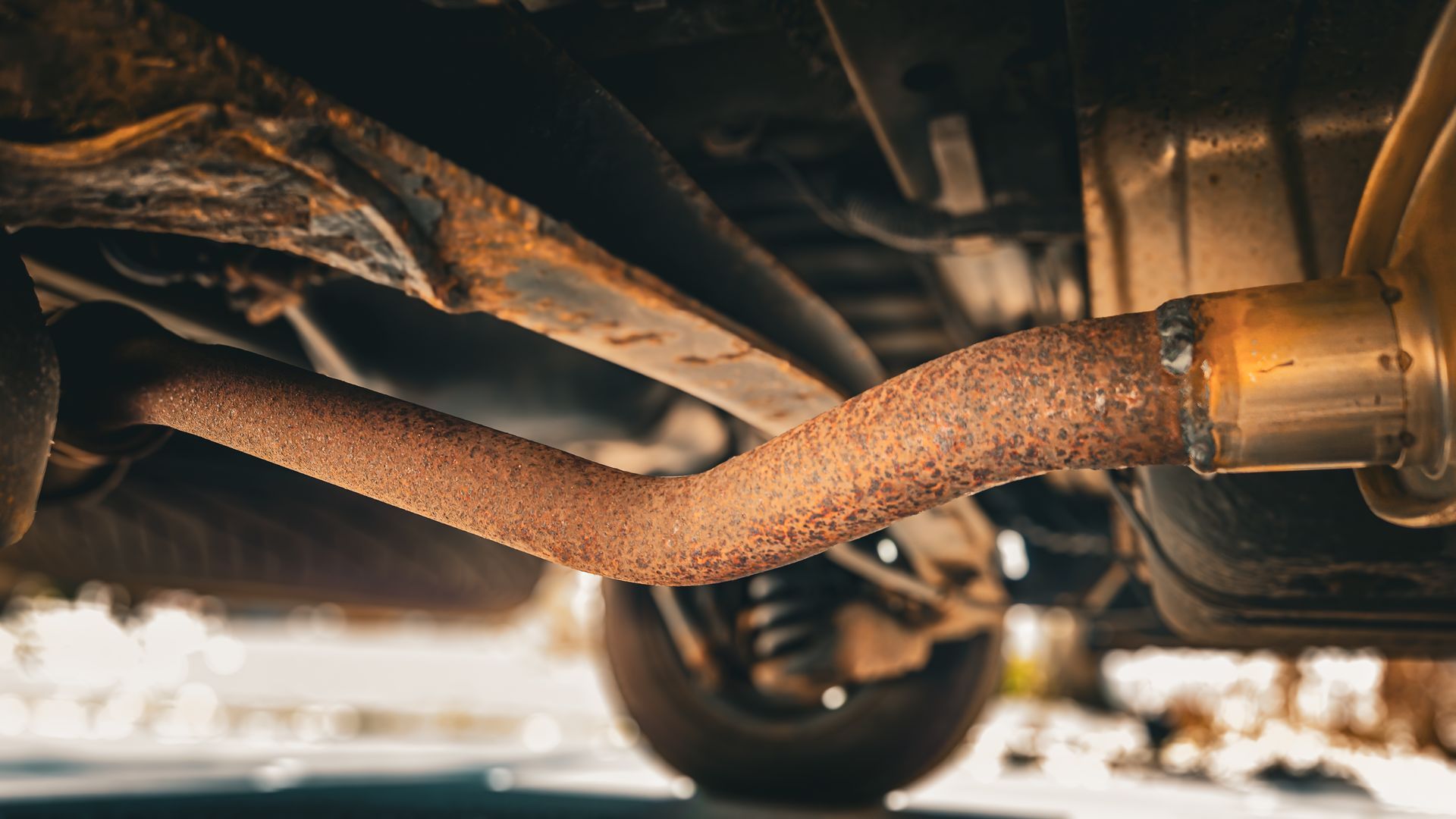
Oil leaking from seals or gaskets can drip onto exhaust components and burn.
- Smell: sharp, acrid, sometimes smoky
- Often strongest after driving or when stopped
Cooling System or Heat-Related Issues
Coolant leaks or overheating components can create a sweet or chemical burning smell.
- Sometimes paired with elevated engine temperature
Overheated or Slipping Belts
Belts that are worn, loose, or misaligned can overheat under load.
- Smell: hot rubber
- May come with squealing or chirping noises
Electrical Overheating
Wiring insulation or electrical components overheating.
- Smell: plastic or electrical burn
- One of the
most urgent smells to investigate
Brakes or Clutch Overheating
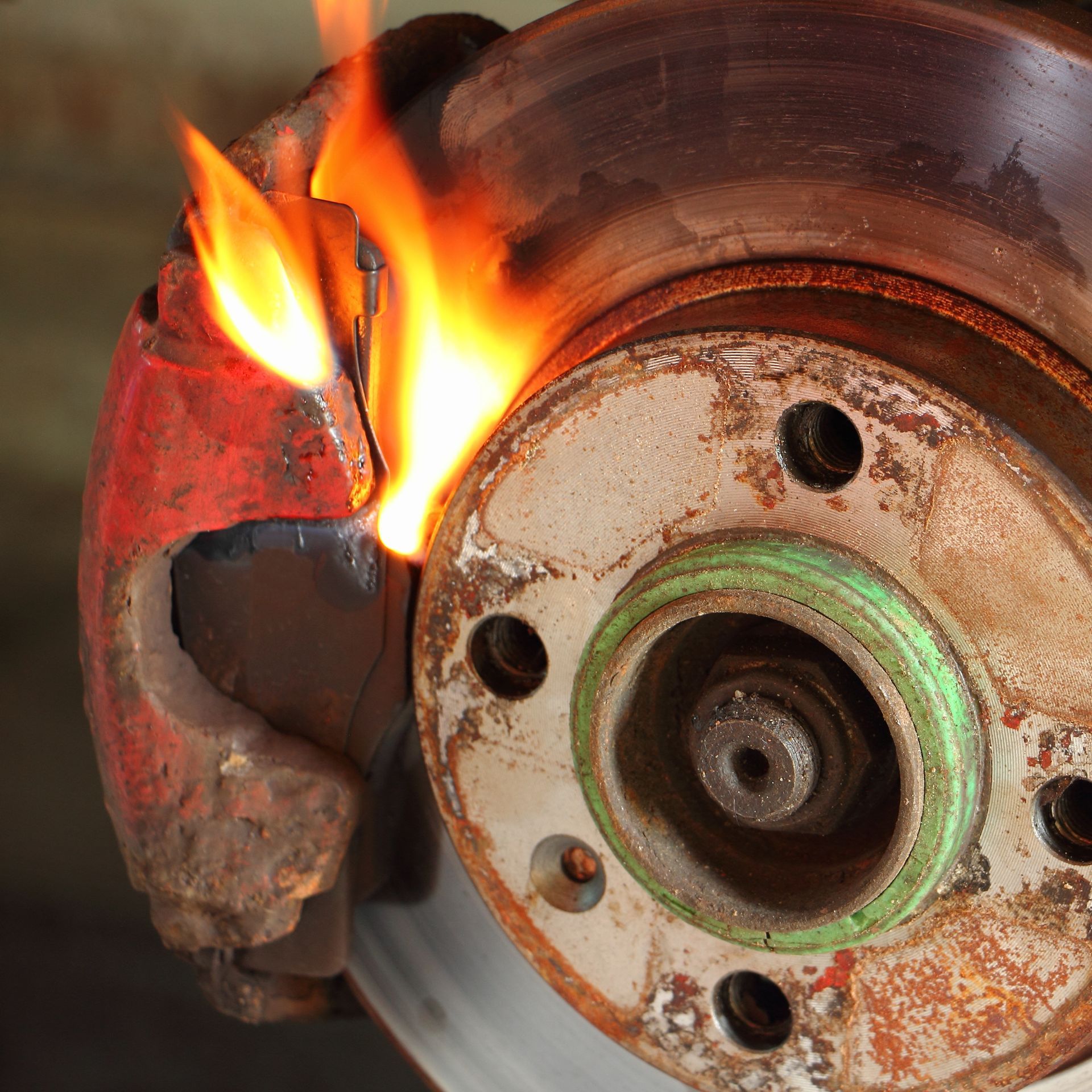
Stop-and-go traffic, hills, or dragging components can cause a burning odor.
- Often noticed after stopping
- Repeated occurrences mean something needs attention
What the Smell Is Telling You (Symptom Map)
- Sharp, oily burn → fluid contacting hot metal
- Sweet or chemical → cooling system involvement
- Rubber-like → belts, hoses, or tires
- Plastic or electrical → wiring or electrical load
- Visible smoke → stop driving and inspect immediately
Patterns matter. When the smell appears, how long it lasts, and whether it’s intensifying all help narrow the cause.
How a Proper Inspection Confirms the Cause
A real diagnosis doesn’t start with replacing parts. It starts with verification.
A thorough inspection typically includes:
- Visual checks for leaks, residue, or heat damage
- Inspection of components exposed to exhaust heat
- Belt, hose, and wiring condition checks
- Controlled warm-up to safely reproduce the smell
- Confirmation before recommendations are made
If a shop skips proof and jumps straight to repairs, that’s assumption—not certainty.
Where Drivers Commonly Waste Time
- Assuming the smell is “normal” because it comes and goes
- Cleaning residue that hides the source
- Replacing parts without confirming the cause
- Waiting for a warning light to decide
Smells don’t usually resolve themselves. They pause until the right conditions return.
Can You Keep Driving?
You may be able to drive short-term if:
- The smell is faint and inconsistent
- There’s no visible smoke
- No warning lights are on
- Engine temperature is normal
You should stop driving and have it checked if:
- The smell is strong or worsening
- You see smoke
- The smell is electrical or plastic-like
- The engine is overheating
When there’s uncertainty, early inspection almost always preserves more options.
What We’d Want If It Were Our Car
If it were our vehicle, we’d want:
- Clear confirmation of the source
- Evidence before recommendations
- Options explained without pressure
- Time to decide unless safety requires action
That approach protects both the car and the driver.
Drivers in Starkville, Columbus, West Point, and surrounding Mississippi communities deal with heat, short trips, highway driving, and seasonal swings—conditions where burning smells often surface early.
Later in the process, if you want a local inspection focused on confirmation rather than guesswork, William Wells Tire & Auto provides diagnostic-first service across multiple locations:
- Starkville: 12919 MS-182, Starkville, MS 39759 · (662) 268-4081
- Columbus: 1625 Gardner Blvd, Columbus, MS 39702 · (662) 240-2414
- West Point: 93 W Broad St, West Point, MS 39773 · (662) 495-8558
You can learn more at williamwellstireandautorepair.com when you’re ready.
Why Long-Term Thinking Beats a Quick Fix
Anyone can make a smell disappear temporarily. Solving it long-term means understanding:
- Why it started
- What conditions trigger it
- How to prevent it from returning
That’s how you avoid repeat visits and unexpected breakdowns.
Frequently Asked Questions
Is a burning smell ever normal?
Briefly after repairs or heavy braking, it can be. Recurring smells are not.
What if the smell goes away?
That usually means conditions changed—not that the issue resolved.
Can traffic or weather make it worse?
Yes. Heat, congestion, and stop-and-go driving often expose underlying problems.
Is smoke always serious?
Yes. Smoke means stop driving and investigate immediately.
Should I wait for a warning light?
No. Smells often appear before sensors react.
Can I diagnose this myself?
You can observe symptoms, but confirmation requires proper inspection.
You can watch the video