What Does It Mean When My Car Pulls to One Side
What Does It Mean When Your Car Pulls to One Side?
When your car pulls to one side, that is a sign your vehicle needs attention. It might begin as a small drift and then become a constant correction at the steering wheel. Even if it feels minor, pulling should be diagnosed early because it can affect safety, handling, braking control, and tire life.
A healthy vehicle should track straight on a level road with light steering input. If it consistently drifts left or right, there is usually a problem in tires, alignment, brakes, steering, or suspension.
This guide explains what pulling means, the most common causes, and how to resolve it through a customer-first process focused on clarity and long-term reliability.
Why a Car Pulls to One Side
Car pulling is a symptom, not a diagnosis. Several conditions can create the same feeling while driving:
- Tire pressure imbalance
- Wheel alignment issues
- Brake system imbalance
- Tire wear pattern or internal tire damage
- Steering and suspension wear
- Road crown mistaken for mechanical pull
Because these conditions overlap in symptoms, complete inspection matters.
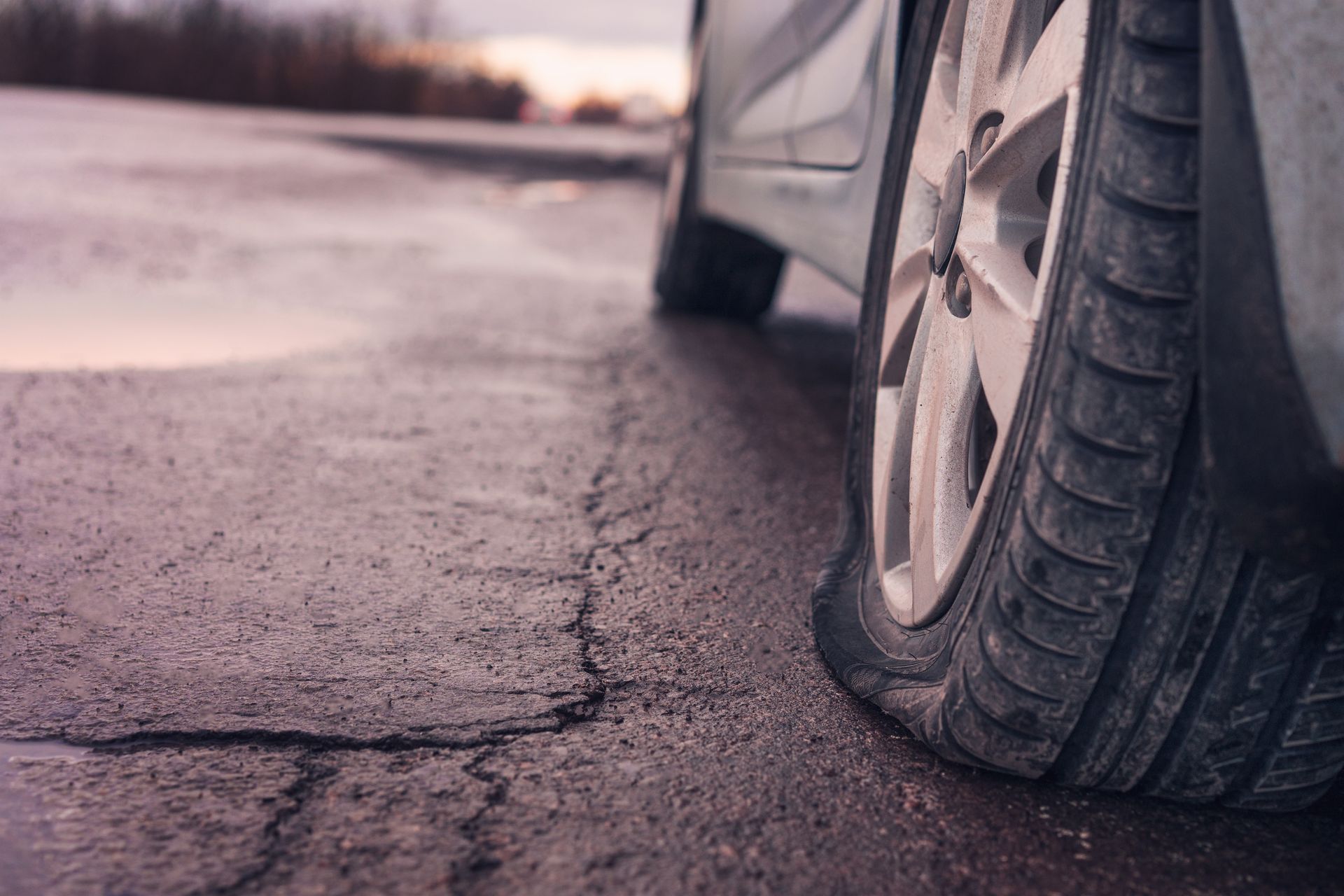
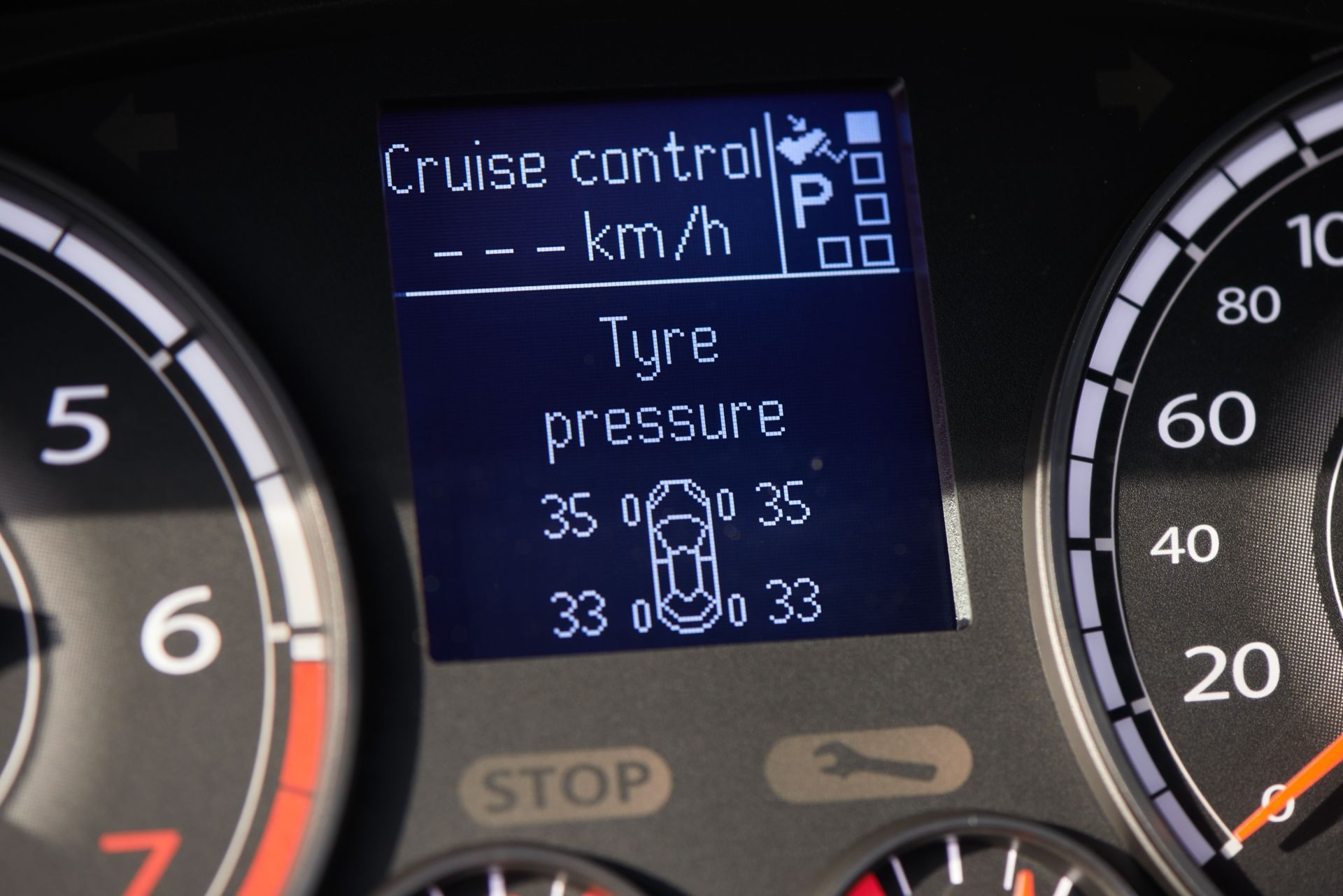
1) Uneven Tire Pressure
If one tire is lower than the others, rolling resistance changes and the car may drift toward that side.
Common signs:
- Mild pulling at city speeds
- Heavier steering feel one direction
- Pull changes after tires warm up
Why it matters:
Pressure imbalance increases uneven wear and reduces handling consistency.
2) Wheel Alignment Out of Specification
Alignment angles (toe, camber, caster) determine how wheels point and track. If angles are out of range, pulling and drift are common.
Common signs:
- Steering wheel off-center on straight roads
- Constant correction at highway speeds
- Uneven tire wear
- Gradually worsening pull
Common causes:
- Potholes and road impacts
- Curb strikes
- Worn front-end components
- Suspension/steering work without final alignment check
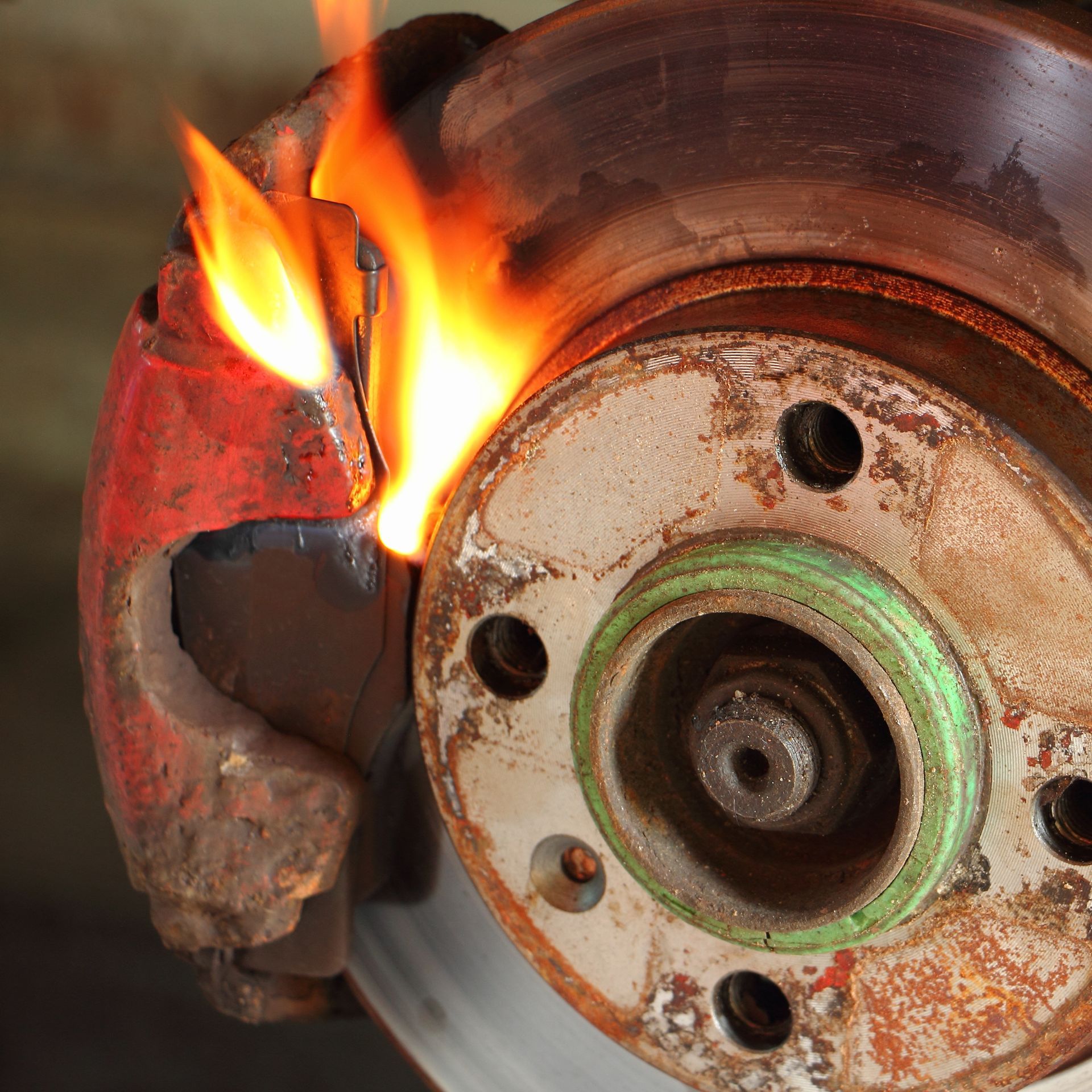
3) Brake Pull During Braking
If the car tracks straight until you press the brake, brake imbalance is often the issue.
Possible causes:
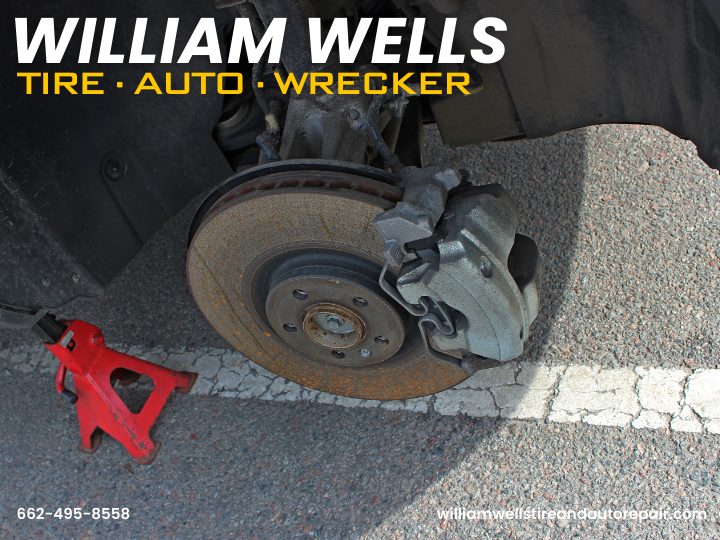
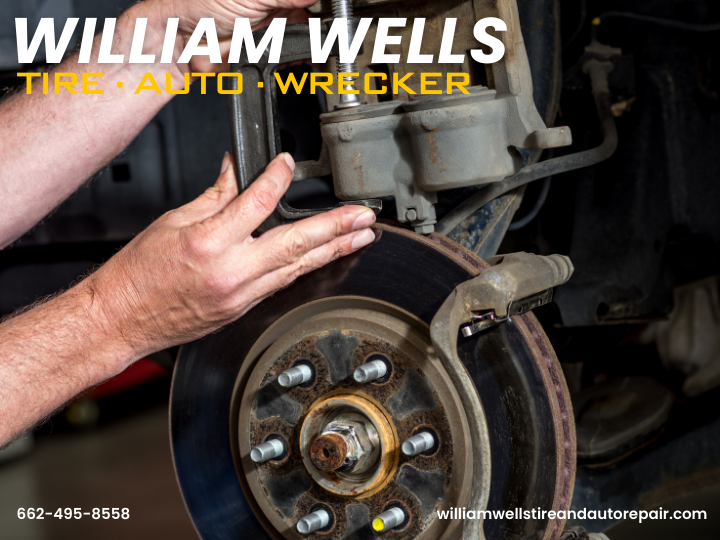
- Sticking brake caliper
- Uneven pad application
- Restricted brake hose
- Rotor friction imbalance
Common signs:
- Pulling while decelerating
- Steering wheel movement during braking
- One side feeling hotter after driving
Brake pull affects stopping stability and should be inspected promptly.
4) Tire Wear or Internal Tire Damage
A tire can look acceptable and still cause pulling due to irregular wear or internal belt issues.
Common signs:
- Pull remains after pressure correction
- Pull with steering vibration
- Pull direction changes after rotation
A detailed tire inspection helps identify whether the source is tire condition, alignment, or both.
5) Steering and Suspension Component Wear
Worn steering or suspension parts can cause wheel-angle changes while driving, leading to drift and unstable tracking.
Typical contributors:
- Tie rod ends
- Ball joints
- Control arm bushings
- Struts/shocks
- Steering linkage components
Common signs:
- Wandering feel at speed
- Delayed steering response
- Clunks over uneven roads
- Pull changes with road conditions
6) Road Crown vs Mechanical Pull
Many roads are slightly crowned for drainage, which can create minor drift.
But if pulling is strong and repeatable across different roads, it is usually mechanical and should be evaluated.
Warning Signs to Take Seriously
Schedule an inspection soon if you notice:
- Pull worsening over time
- Pull mainly during braking
- Steering wheel no longer centered
- Rapid or uneven tire wear
- Steering vibration
- Recent pothole/curb impact
- Reduced confidence at highway speed
Early diagnosis can prevent bigger handling and safety concerns later.
What a Customer-First Diagnostic Process Should Include
A true best-interest approach is methodical, transparent, and evidence-based:
- Road-test confirmation
Verify exactly when the pull occurs (cruise, braking, acceleration, bumps). - Tire pressure and tire condition check
Measure pressure cold and inspect tread/sidewalls. - Brake system evaluation
Check side-to-side braking force and possible drag. - Steering and suspension inspection
Identify looseness, wear, or damage affecting alignment stability. - Alignment measurement before adjustment
Capture current readings, then correct only what is out of range. - Post-repair road test
Confirm steering centering and pull resolution.
This approach prevents guesswork and helps avoid repeat visits.
Can You Keep Driving If Your Car Pulls?
A mild pull may feel manageable in the short term, but delaying inspection can lead to:
- Accelerated tire wear
- Reduced directional control
- Less stable braking
- Additional wear in connected systems
If you can feel the pull, it is time to get it inspected.
Prevention Habits That Help
- Check tire pressure monthly
- Rotate tires consistently
- Address steering vibration early
- Inspect brakes and suspension regularly
- Recheck alignment after impacts or front-end repairs
These simple steps help keep your vehicle stable and predictable.
The Bottom Line
If your car pulls to one side, do not ignore it. The best outcome comes from complete diagnosis, clear communication, and repairs based on verified findings—not assumptions.
That is what service looks like when the customer’s best interest comes first.
Local Help in Starkville, Columbus, West Point, and Nearby Communities
If your vehicle is pulling in Starkville, Columbus, or West Point, early inspection helps prevent unnecessary tire and steering issues. Drivers in nearby areas—including Mississippi State/Longview, New Hope, Caledonia, Artesia, Steens, Mayhew, Cedar Bluff, Pheba, Maben, Aberdeen, Crawford, and surrounding Golden Triangle communities—can benefit from a thorough, customer-first diagnostic process.
For service and inspection support, contact:
William Wells Tire & Auto
Starkville: 12919 MS-182, Starkville, MS 39759 | (662) 268-4081
Columbus: 1625 Gardner Blvd, Columbus, MS 39702 | (662) 240-2414
West Point: 93 W Broad St, West Point, MS 39773 | (662) 495-8558
Website: https://www.williamwellstireandautorepair.com/
You can watch the video