OBD2 scanners are everywhere now. You can plug one in at home, read a code, and feel like you’re halfway to a fix. Sometimes that really does get you pointed in the right direction.
The catch is that a code is not always the answer, but only a clue. The difference between a basic scanner and shop-level diagnostics usually comes down to how many clues you can pull, and whether you can prove what’s actually failing before you start replacing parts.
What An OBD2 Scanner Can Do Well
A basic OBD2 scanner is good at reading check engine light codes and showing a handful of basic data points. It can tell you which system the computer detected, and whether the light came back after you cleared it.
For common problems, that can be genuinely helpful. If the gas cap is loose and you get an EVAP code, a simple scanner can confirm the code cleared and stay gone. If the car has a cylinder misfire code, it at least tells you which cylinder is being flagged, even if it doesn’t tell you why.
Where Basic Scanners Start To Fall Short
Most entry-level scanners read generic powertrain codes. They may not read manufacturer-specific codes, and they often cannot access other modules like ABS, traction control, airbag, body systems, or network communication faults. That matters because a lot of real-world complaints involve more than just the engine computer.
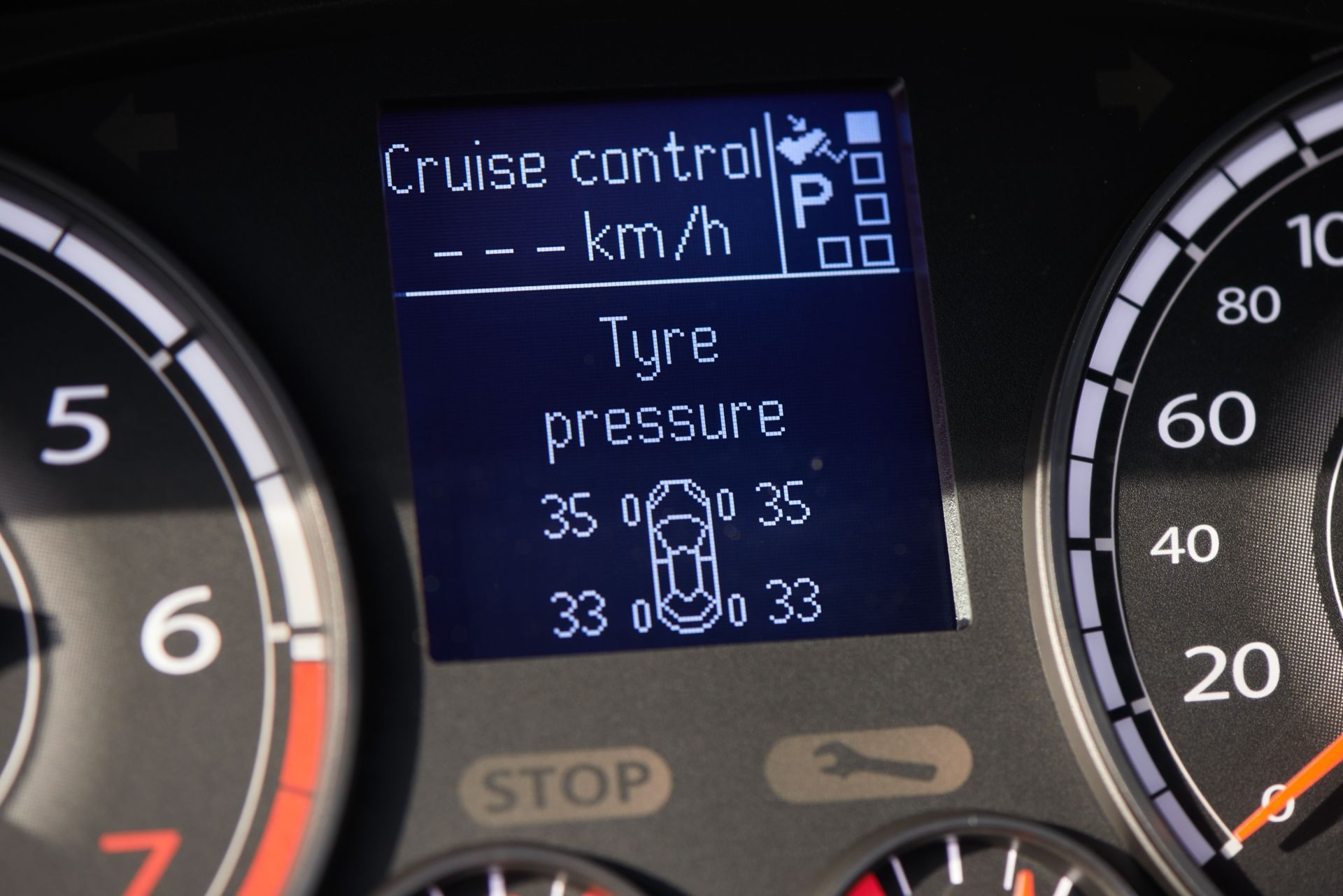
Basic tools can also struggle with live data depth. They might show RPM and coolant temp, but not the deeper data that helps confirm whether a sensor is behaving logically. They can also miss the context, like the exact conditions when the fault set, or how often it’s been happening in the background.
Shop-Level Diagnostics: What Makes Them Different
Shop-level diagnostics are not just a better code reader. They are a combination of advanced scan tools, factory-level information, and hands-on testing. The scan tool can access more modules, display deeper data, and run functions that a basic tool cannot.
Here are a few differences that usually matter most:
- Full-module access, including ABS, stability control, airbag, body, and network modules
- Manufacturer-specific code coverage and test routines
- Deeper live data, including sensor response speed and system commands
- Freeze-frame and event data that shows what the car was doing when the fault happened
- Bidirectional controls that let us command components on and off for confirmation
That extra reach is why two scanners can show the same code, yet only one path leads to a real fix.
Codes Are Clues, Not Parts Lists
A code usually describes a condition, not a failed part. For example, a lean code can be caused by unmetered air, low fuel pressure, sensor drift, or an exhaust leak in the wrong place. A catalyst efficiency code can come from the converter, but it can also be triggered by misfires or mixture problems upstream.
At William Wells Tire & Auto, we’ve seen plenty of cases where a basic scanner pointed someone toward the most common part, but the real failure was something less obvious. Once you confirm the root cause, you avoid paying twice.
How Shop Testing Confirms The Root Cause
This is where shop-level work separates itself. The scan tool shows direction, then testing proves it. If a sensor shows suspicious behavior, we verify its readings against known-good behavior. If fuel trim suggests a lean condition, we confirm whether it’s air, fuel, or a false reading. If a misfire shows up on one cylinder, we verify whether it’s ignition, fuel delivery, or mechanical.
Bidirectional controls are a big advantage. If we can command a fan on, cycle a purge valve, trigger an actuator, or run an output test, it turns a vague problem into a clear yes or no. That’s hard to do with most basic scanners.
What Both Types of Tools Cannot Prove Alone
There are limits, no matter how good the scanner is. A scan tool cannot directly measure things like worn brake pads, a noisy wheel bearing, a loose heat shield, or a cracked belt. It also cannot always prove a mechanical issue like low compression without follow-up testing.
Intermittent problems are another challenge. A scanner can show history and stored data, but if a wiring connection fails only under vibration or heat, you still need a hands-on approach to find the weak point. The scan data helps you aim, but the confirmation comes from inspection and testing.
When A Basic Scanner Is Enough, And When It Isn’t
If you have a single check engine light with a straightforward code, and the car drives normally, a basic scanner can be a good first step. It can confirm whether the issue returns after a simple fix, and it can help you avoid ignoring a problem completely.
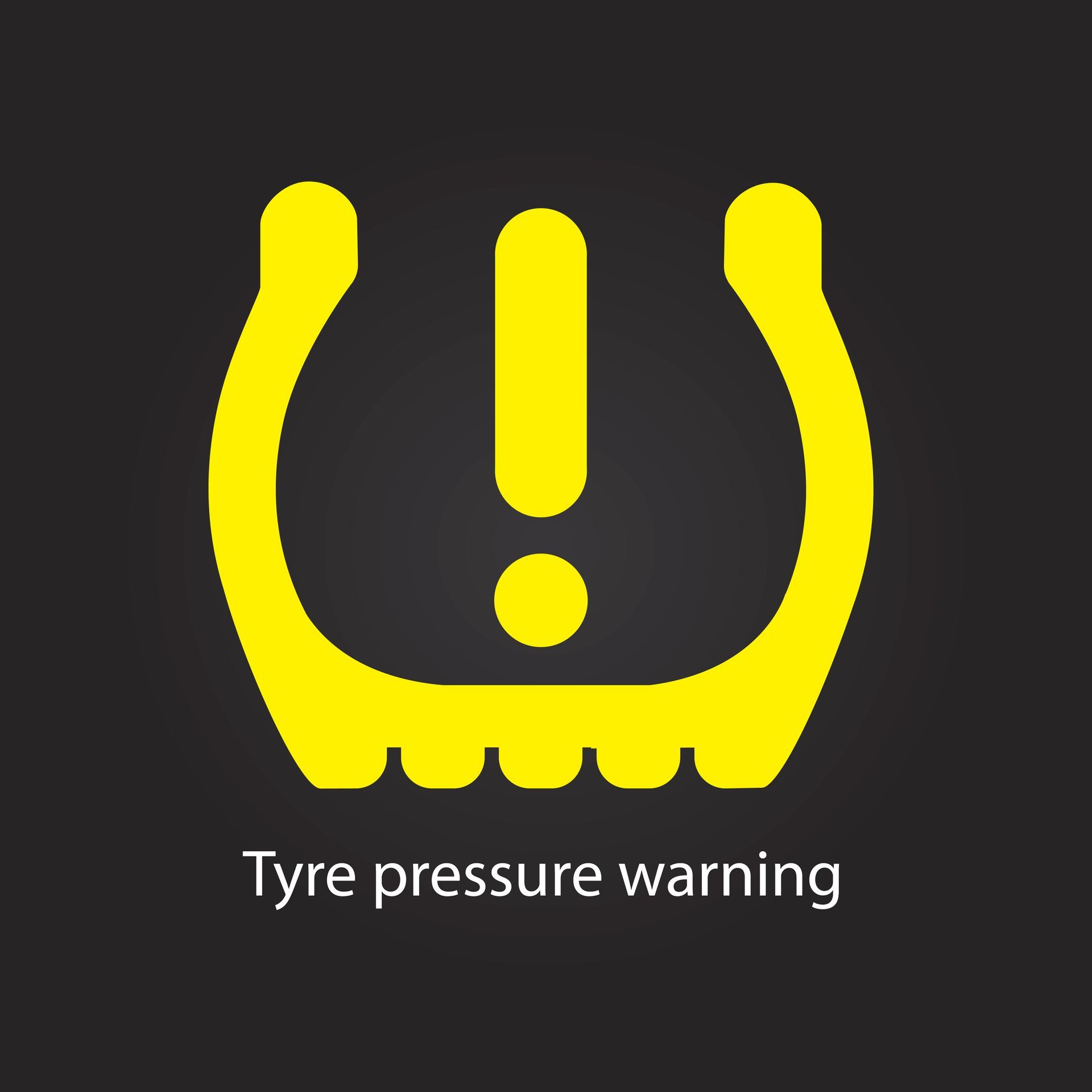
If you have multiple dashboard warnings, drivability symptoms, repeat codes, or anything involving ABS and traction control, you usually want shop-level diagnostics. That’s where the extra module access and deeper testing save time and prevent wrong-part replacements.
Get Shop-Level Diagnostics in Columbus, MS, West Point, MS, & Starkville, MS, with William Wells Tire & Auto
We can run a complete diagnostic scan, interpret what the vehicle is actually reporting, and confirm the real cause with proper testing before repairs begin. We’ve seen how quickly a simple code can turn into an expensive parts chase when it’s treated like a direct answer.
Call
William Wells Tire & Auto
in Columbus, MS, West Point, MS, & Starkville, MS, to schedule diagnostics and get clear, reliable direction from your dashboard warnings.