Hybrid cars can be very easy to live with, but they are not “maintenance-free.” When care slips, the repairs that follow often involve expensive components like high-voltage batteries, inverters, and complex cooling systems. A few smart habits will do more to protect your hybrid than any gadget, and most of them are simple once you know what to focus on.
1. Follow a Hybrid-Specific Service Schedule, Not Just the Generic One
Every hybrid has a maintenance chart that is a little different from its gas only cousin. There are extra items such as hybrid system inspections, coolant circuits for the battery or inverter, and sometimes different intervals for brake service. If you only follow a generic “oil and filter every so many miles” plan, some of those hybrid-specific checks get skipped.
Take a look at the schedule in the owner’s manual and note anything labeled for hybrid or EV components. Oil changes and basic services still matter, but so do inspections of high voltage cables, cooling systems, and ventilation areas. When we build a maintenance plan for a hybrid, we always start with that chart instead of guessing based on a similar non-hybrid model.
2. Protect the High-Voltage Battery with Smart Driving and Parking Habits
The main battery pack is one of the most expensive parts on the car, and it lives and dies by temperature and charge habits. Short drives from a cold start, day after day, make it work harder to help the engine warm up and recharge. Long periods of sitting fully charged or almost empty are rough on pack chemistry too.
A few practical habits help keep it healthy:
- Whenever you can, park in shade or covered areas so the pack and interior do not bake in direct sun.
- Avoid letting the car sit unused for weeks at a very low or very high state of charge.
- Use gentle acceleration until everything is warmed up, then let the hybrid system do its normal switching between electric and gas.
- You do not need to baby the car, but giving the battery a more moderate life helps delay capacity loss and warning lights.
3. Keep the Cooling Systems Clean and Filled with the Right Fluids
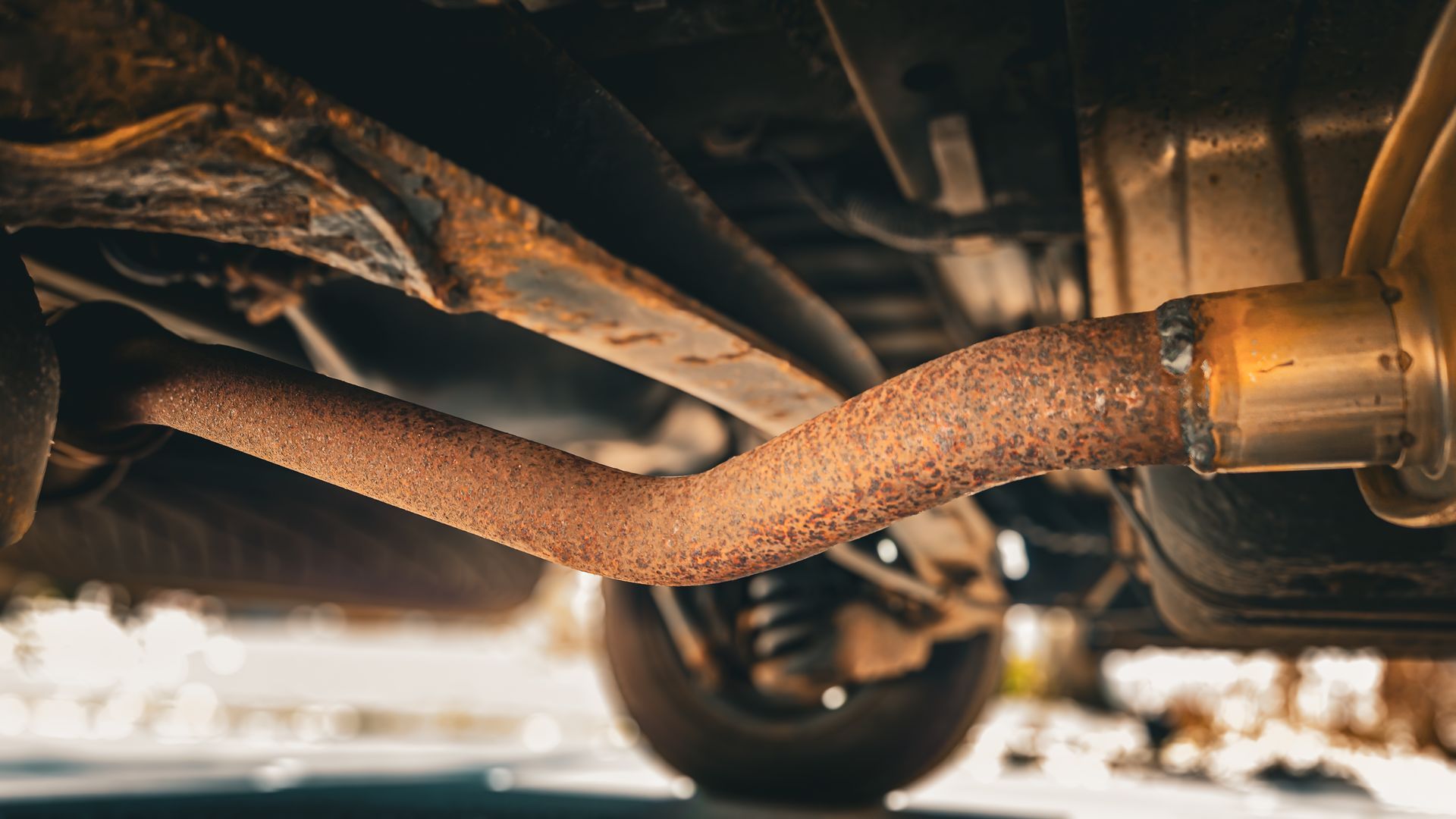
Many hybrids use separate cooling loops for the engine, inverter, and sometimes the battery. If the coolant is old, low, or contaminated, those components run hotter than they should, which shortens their life. Using “whatever coolant is on sale” can cause reactions inside the system that lead to corrosion and clogged passages.
Coolant should be the type specified by the manufacturer and changed at sensible intervals, not only when there is a problem. It is also worth checking that fans, pumps, and reservoir levels look healthy during routine visits. As technicians, we pay close attention to any signs of overheating because catching a cooling issue early can save the inverter or battery from serious damage.
4. Do Not Ignore Hybrid Brake Service Just Because Pads Last Longer
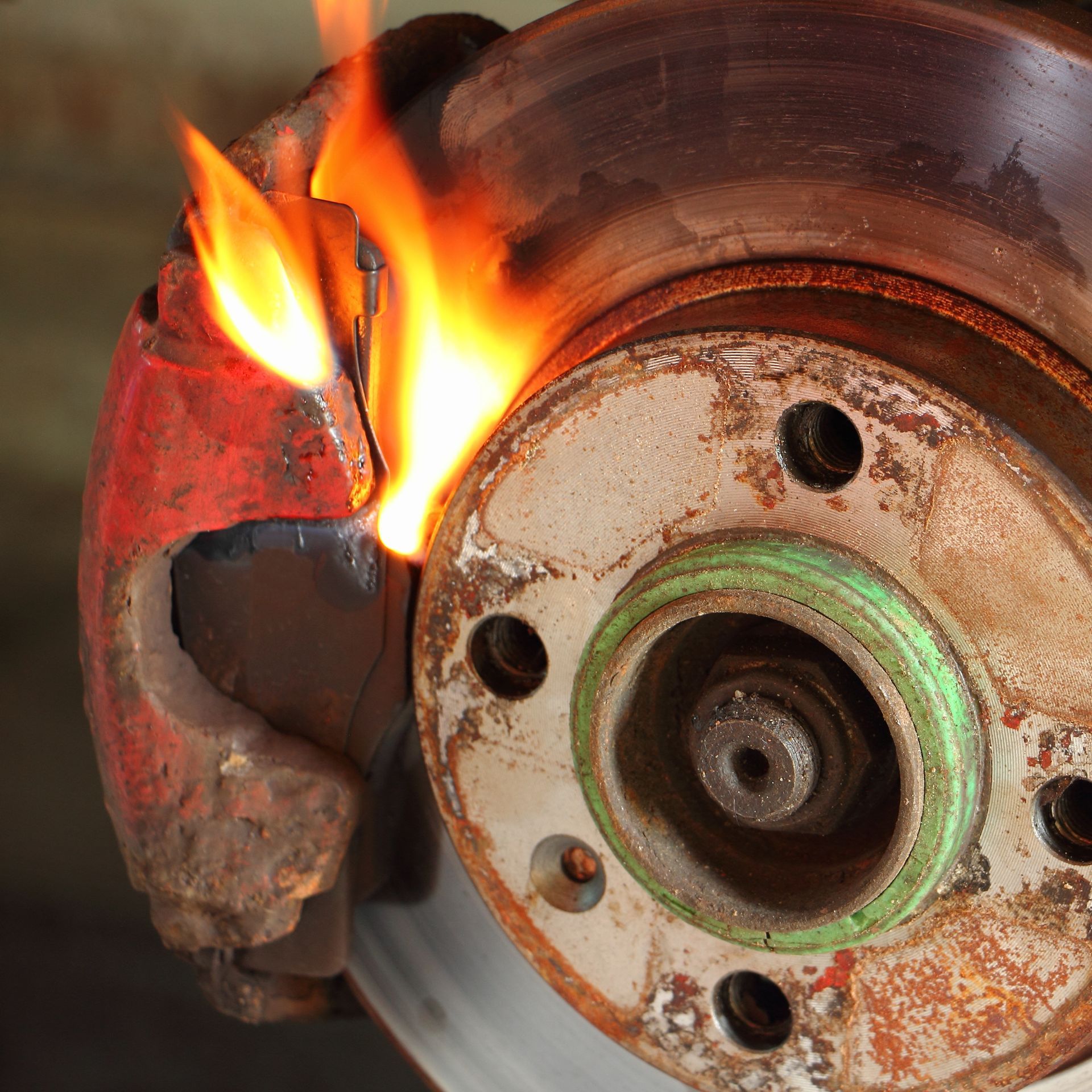
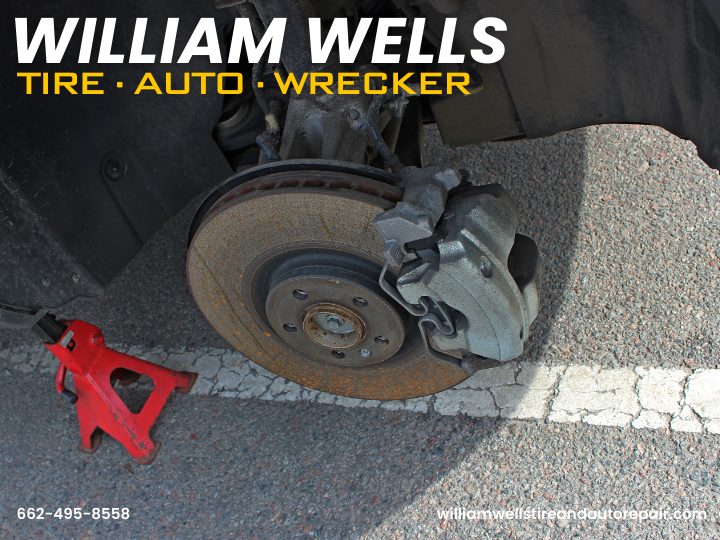
Regenerative braking lets the electric motor help slow the car, which saves friction brakes and recovers energy. That does extend pad life, but it also means calipers and slides move less often. When those parts sit, rust and debris can cause sticking, uneven wear, or noisy brakes even when the pads still have thickness left.
Having the brakes inspected on a schedule, rather than only when they squeal, keeps hardware and fluid in good shape. Cleaning and lubricating slides, checking pad movement, and flushing brake fluid at reasonable intervals keep the system ready for hard stops. We have seen plenty of hybrids where “never needing brakes” turned into seized calipers and warped rotors because nothing was serviced for years.
5. Rotate Tires and Watch Alignment to Protect Electric and Gas Efficiency
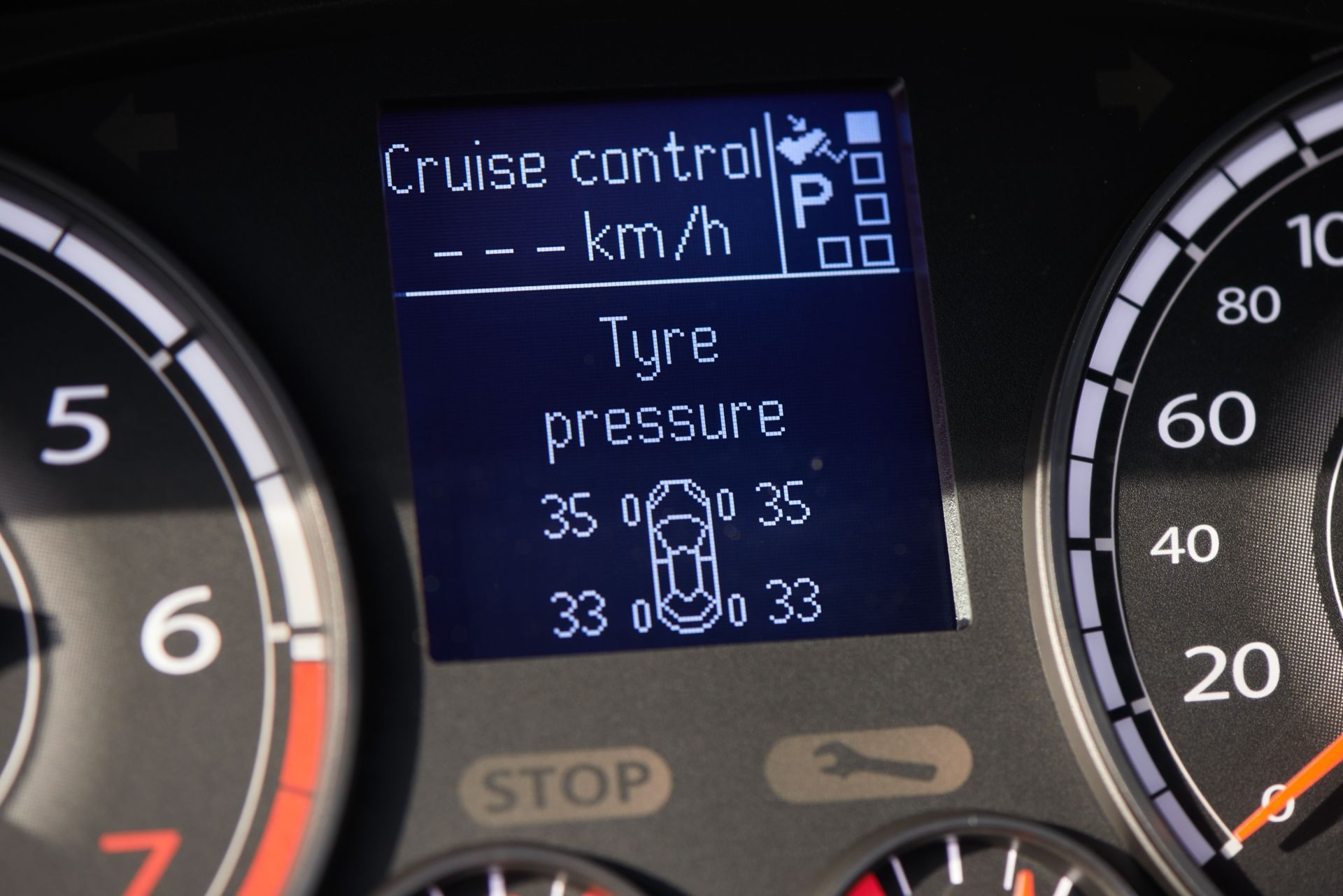
Hybrids reward good rolling resistance. If tires wear unevenly or pressures are wrong, the hybrid system has to work harder to keep the same fuel economy and electric assist. Front tires on many hybrids do more of the turning and braking, so they can wear faster if they are never rotated.
Regular rotations and pressure checks help keep tread depths even and rolling smoothly. If you feel a pull, see edge wear, or notice a new vibration, alignment is worth checking before it chews up a set of tires. A well aligned hybrid with healthy tires feels calmer to drive and usually does better on fuel and battery range.
6. Listen for Hybrid System Noises and Warning Lights Early
Hybrids have a few noises that gas only cars do not, like electric motor whines and clicks from contactors. You get used to those quickly. What matters is noticing when something new appears, such as grinding from the transaxle area, harsh buzzing under the rear seat, or fans running constantly even on cool days.
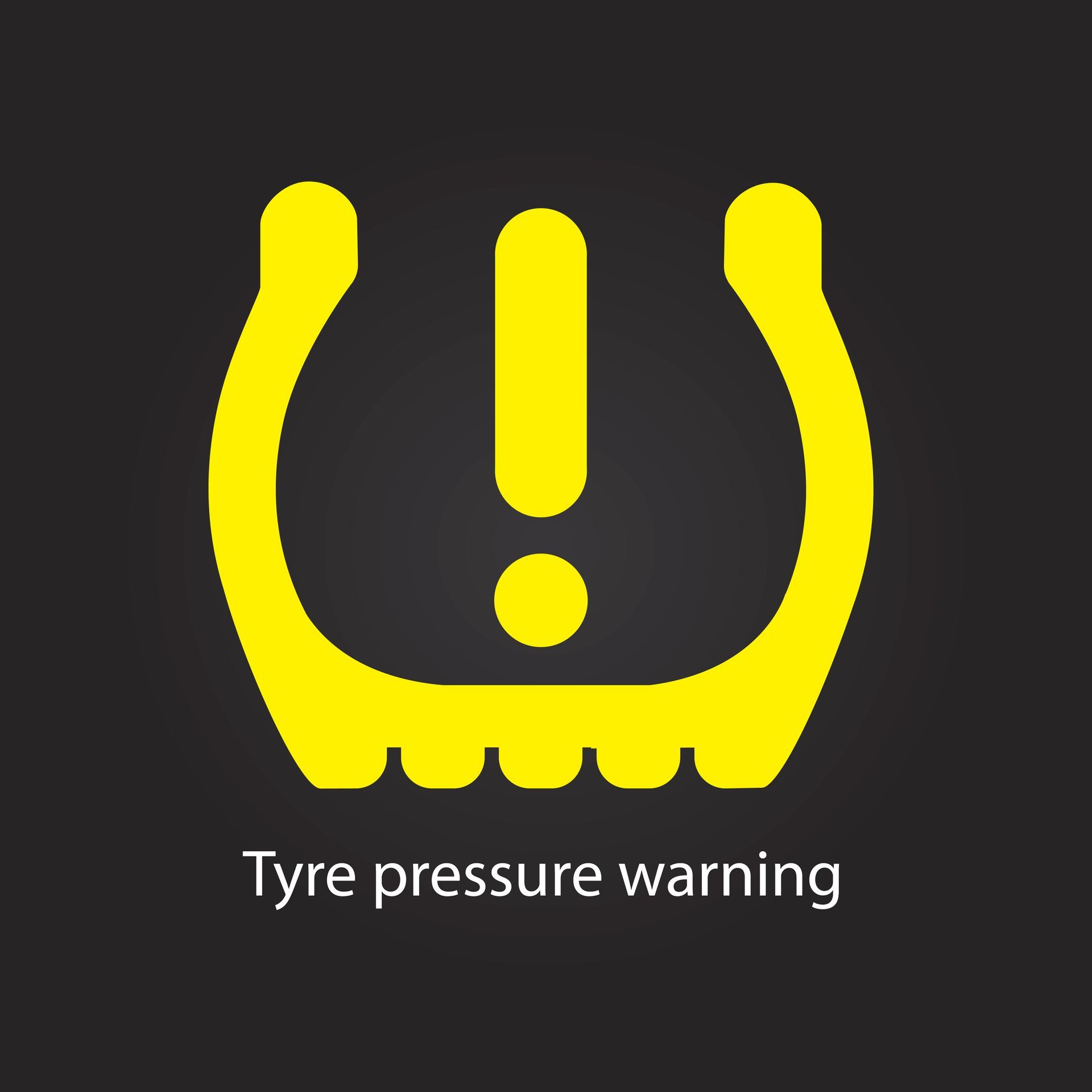
Warning lights that mention the hybrid system, battery, or charging should never be ignored. Even if the car still drives, the control units are telling you something is out of range. We have caught many problems at the “small sensor or cooling issue” stage because the driver came in right away instead of waiting for the car to go into reduced power mode.
7. Service the 12-Volt Battery and Cables Before They Leave You Stranded
Hybrids still rely on a regular 12 volt battery to power computers, relays, and accessories. When that battery gets weak, the car may refuse to “ready up” even if the high-voltage pack is fine. Owners often assume the big battery has failed when it is really the smaller one causing no start problems.
Checking the 12 volt battery’s age, testing its capacity, and inspecting cables for corrosion are simple ways to avoid surprises. We have seen hybrids that seemed to develop odd electrical glitches clear up completely after a weak 12 volt battery was replaced and connections were cleaned.
Get Hybrid Car Maintenance in Columbus, MS with William Wells Tire & Auto
If you drive a hybrid and want to avoid expensive surprises, a focused hybrid maintenance visit is a smart place to start. We can look over the battery, cooling systems, brakes, and tires, then build a service plan that fits how and where you drive.
Schedule hybrid car maintenance in Columbus, MS with
William Wells Tire & Auto, and keep your hybrid running efficiently for the long haul.