Can I Drive With a Check Engine Light On
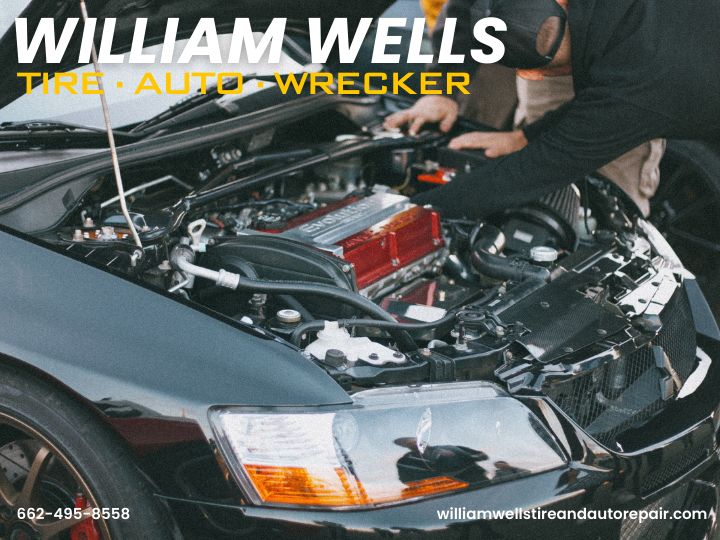
Can I Drive With a Check Engine Light On? What It Depends On
That little amber engine icon has a way of showing up when you least need it—right before work, right before a road trip, or when you’re already running behind. And because your car often still starts and drives, you’re stuck in the worst kind of uncertainty:
Is it safe to keep driving, or am I about to make things worse?
The honest answer is: sometimes you can drive with a check engine light on—and sometimes you really shouldn’t. The difference comes down to three things:
- Is the light solid or flashing?
- Is the engine running normally right now?
- What system is failing, and what’s the risk of collateral damage if you keep driving?
This guide will help you make a smart, low-regret decision without guessing, without panic, and without wasting time on the wrong fix.
What the Check Engine Light Actually Means
Your vehicle’s computer (and often multiple modules) constantly monitors systems that affect:
- Air and fuel mixture
- Ignition timing and combustion quality
- Misfires
- Emissions controls (EVAP, oxygen sensors, catalytic converter monitoring)
- Sensor signals and circuit performance
- Sometimes transmission-related inputs (depending on vehicle)
When something falls outside an expected range, the computer stores:
- Diagnostic Trouble Codes (DTCs): what test failed or what condition was detected
- Freeze-frame data: a snapshot of conditions when the fault occurred (engine load, RPM, coolant temp, speed, etc.)
Important:
a check engine light is not a diagnosis.
It’s an alert that your car has stored evidence that needs to be interpreted and confirmed through testing.
Solid vs. Flashing: The Fastest Way to Judge Urgency
If the light is solid
A solid check engine light usually indicates a fault that affects emissions and/or performance, but it is not currently flagged as an immediate engine-damage condition.
Often you can drive short-term if the vehicle feels normal—while you schedule a proper diagnostic soon.
If the light is flashing
A flashing check engine light most commonly indicates an active misfire severe enough to risk catalytic converter damage quickly.
If it’s flashing: don’t keep driving like normal.
Reduce speed, avoid acceleration, and stop as soon as it’s safe. In many cases, towing is the best decision.
If you remember one thing from this article, remember this: flashing = stop driving.
The Real Question: How Is the Car Running Right Now?
A check engine light with no symptoms is often very different from a check engine light with obvious drivability issues.
Treat it as higher risk if you notice any of the following:
- Rough idle or shaking
- Hesitation, surging, bucking, or stumbling
- Loss of power (especially accelerating or climbing)
- Reduced power / limp mode warning
- Stalling or near-stalling at stops
- Strong fuel smell
- Rotten egg smell (possible catalyst stress)
- Temperature gauge rising / overheating message
- Loud knocking or harsh new mechanical noise
- Transmission shifting abnormally (vehicle dependent)
If the car feels different, assume the fault is active.
A Simple Decision Tree You Can Use Today
Step 1: Is the check engine light flashing?
- Yes: Stop driving as soon as safely possible. Arrange help.
- No (solid): Go to Step 2.
Step 2: Is it running rough, shaking, or losing power?
- Yes: Avoid driving. If you must move it, keep it minimal and gentle.
- No: Go to Step 3.
Step 3: Any overheating, oil pressure warning, or strong fuel smell?
- Yes: Stop driving. Those conditions can cause rapid damage or become a safety issue.
- No: Go to Step 4.
Step 4: Did it come on right after fueling up?
- Yes: Tighten the gas cap until it clicks. Monitor. Still plan for a scan if the light stays on.
- No: Go to Step 5.
Step 5: Do you have a longer drive or heavy commuting coming up?
Even if it feels “fine,” longer drives add heat and load. If you depend on this vehicle daily, diagnosing sooner is usually the least disruptive option.
What’s Happening Mechanically When That Light Turns On
The computer isn’t guessing. It’s running self-tests and comparing real-world readings to expected behavior. When a test fails, it may:
- Store a pending code (first detection)
- Store a confirmed code (repeat detection)
- Turn on the check engine light
- Adjust fuel/ignition strategy to protect the engine
- Enter reduced-power strategies if it believes damage is possible
Sometimes a code points close to the root cause. Other times it points to a system that noticed a problem caused elsewhere. That’s exactly why “pulling a code” is helpful—but not the same as diagnosing the cause.
The Real Risk of Driving With the Light On
The risk isn’t the light itself. The risk is what happens when a fault continues under real driving conditions.
1) Damage risk (collateral damage)
Misfires and rich/lean conditions can stress components like the catalytic converter. Overheating can quickly damage the engine. Some faults create a “domino effect” if ignored.
2) Breakdown risk (reliability)
Intermittent issues often fail under heat, load, or vibration. What starts as “only sometimes” can become “now it won’t start.”
3) Safety risk (drivability)
Loss of power, stalling, or unpredictable performance can be dangerous—especially when merging, turning across traffic, or driving in bad weather.
The goal is to avoid both extremes: ignoring a serious warning and overreacting to a minor one. The right answer is clarity.
Common Causes of a Check Engine Light (And What They Usually Feel Like)
This section isn’t diagnosing your car from the internet. It’s helping you understand what’s common and how urgency tends to vary.
EVAP system faults (fuel vapor leaks)
Common triggers
- Loose or failing gas cap
- Small EVAP leak (hose, seal, vent)
- Purge valve or vent valve issues
What it feels like
- Often no symptoms
- Sometimes rough start after fueling
Typical driving risk
- Often lower short-term if the car runs normally, but it can affect inspection readiness and can become drivability-related if purge control fails.
Air-fuel mixture / fuel trim faults (lean or rich)
Common triggers
- Vacuum leaks
- Exhaust leaks (especially upstream)
- Weak fuel delivery
- Air metering issues (MAF/MAP)
- Injector imbalance
What it feels like
- Sometimes nothing at first
- Sometimes hesitation, surging, rough idle, or reduced power
Typical driving risk
- Moderate. Prolonged lean/rich operation can trigger misfires and stress the catalyst.
Misfires (spark, fuel, air, or compression)
Common triggers
- Worn spark plugs
- Weak ignition coils
- Injector issues
- Vacuum leaks
- Mechanical/compression issues
What it feels like
- Shaking at idle
- Hesitation under acceleration
- Often a flashing check engine light when severe
Typical driving risk
- High if active. Misfires can cause rapid catalyst stress and leave you stranded.
Air metering problems (MAF/MAP, intake leaks)
Common triggers
- Dirty or failing sensors
- Cracked intake ducting
- Loose clamps or air leaks after the sensor
What it feels like
- Surging
- Hesitation
- Unstable idle
Typical driving risk
- Moderate. If fueling becomes unstable, misfires can follow.
Catalytic converter efficiency codes
Common triggers
- Aging converter
- Exhaust leaks
- Long-term misfires or mixture issues that damaged it
What it feels like
- Often nothing noticeable
- Sometimes sluggishness if restriction develops
Typical driving risk
- Variable. The key is why it set. Fixing the symptom without the cause leads to repeat problems.
Cooling system and temperature control faults
Common triggers
- Thermostat control problems
- Cooling fan issues
- Sensor/circuit faults
What it feels like
- Temperature gauge instability
- Heater performance changes
- Overheating in traffic or at idle
Typical driving risk
- Potentially high. If overheating is present, stop driving.
Symptom Map: What You Notice vs. What It Often Suggests
Use this as pattern recognition—not a final diagnosis.
“The car runs fine but the light is on.”
Often: EVAP fault, sensor plausibility issues, early fuel-trim drift.
“It shakes or idles rough.”
Often: misfire (plugs/coils), vacuum leak, injector imbalance.
“It feels weak or goes into limp mode.”
Often: throttle control faults, severe mixture problems, sometimes transmission-related faults depending on vehicle design.
“I smell fuel.”
Often: rich running, purge issues, or (urgently) a fuel leak.
“Rotten egg smell.”
Often: catalyst stress from rich operation or misfires.
“Rough starts after fueling.”
Often: purge valve behavior issues.
What to Do Immediately (Before You Replace Anything)
If you want the best outcome with the least wasted time, do this in order:
- Solid vs. flashing
- Note symptoms and conditions (after fueling, cold start, under acceleration, etc.)
- Check the gas cap (if it started right after a fill-up, tighten until it clicks)
- Avoid hard driving (no aggressive acceleration, towing, or long highway pulls)
- Get the codes pulled—and get the cause confirmed
That last point matters: codes are clues. Diagnosis is proof.
Why People Waste Money on the Wrong Fix
Even smart people get trapped here, because the internet makes it sound simple: “Code says this, replace that.” Real life doesn’t work that cleanly.
Money-waster #1: Replacing parts based only on the code
Many codes point to a condition, not a failed part.
A lean code could be caused by:
- Vacuum leak
- Exhaust leak
- Weak fuel pressure/volume
- Airflow measurement errors
- Injector imbalance
If the oxygen sensor is reporting “lean,” it might be doing its job perfectly.
Money-waster #2: Clearing codes to see if it comes back
Clearing codes can erase freeze-frame evidence and reset readiness monitors, making diagnosis harder.
Money-waster #3: “Just drive it and see”
This works sometimes—until it doesn’t. If the issue is a misfire or overheating trend, “seeing” can turn into collateral damage.
How a Real Shop Confirms the Root Cause
A proper check engine light diagnostic should be structured, evidence-based, and verifiable.
Step 1: Scan codes + freeze-frame data
- Stored, pending, and history codes
- Conditions at time of fault (load, RPM, coolant temp, speed)
Step 2: Evaluate live data
- Short-term and long-term fuel trims
- O2 sensor activity patterns
- Misfire counters (when supported)
- Airflow (MAF) / manifold pressure (MAP) readings
- Temperature and fan-command data
Step 3: Perform targeted tests based on evidence
Depending on what data suggests:
- Smoke test for vacuum/EVAP leaks
- Ignition testing under load
- Fuel pressure and volume checks
- Injector balance testing
- Exhaust leak checks
- Cooling system functional checks
Step 4: Verify the repair
The goal isn’t “light off.” It’s “problem solved.”
- Confirm the fault does not return
- Confirm data stabilizes
- Confirm drivability is restored
Repair Options: What Fixing the CEL Typically Looks Like
Because causes vary, repairs usually fall into tiers:
Option A: Simple confirmed corrections
- Gas cap / EVAP sealing issues confirmed by testing
- Intake duct/clamp leaks found during inspection
- Wiring/connectors repaired after circuit confirmation
Option B: Restoring stable combustion and fuel control
- Spark plugs/coils based on testing (not guessing)
- Vacuum leak repairs confirmed via smoke test
- Fuel delivery corrections confirmed by pressure/volume testing
- Injector corrections when imbalance is proven
Option C: Deeper system repairs after root cause is controlled
- Cooling system control repairs
- Catalyst-related repairs only after preventing repeat damage
What Affects the Scope of the Repair (Without Guessing or Pricing)
If you’re trying to understand why two check engine light repairs can be very different, these are the variables that matter:
- Is the fault active or intermittent?
- Is it a condition code (lean/rich/misfire) or a direct circuit failure?
- Is there more than one code—and do they share a root cause?
- How long has it been happening? (long-running faults can create collateral damage)
- Does it require leak testing, load testing, or multiple drive-cycle verification?
- Is access simple or complex on your engine layout?
A trustworthy shop explains these variables clearly before making recommendations.
When to Stop Driving Immediately
Stop driving and arrange help if you have:
- Flashing check engine light
- Severe shaking / active misfire
- Overheating / temperature warning
- Oil pressure warning
- Strong fuel smell
- New loud knocking / harsh mechanical noise
- Repeated stalling
- Loss of power that makes driving unsafe
If you’re unsure, choose the conservative option. One cautious decision can prevent major damage.
Prevention: How to Reduce the Odds of Repeat Check Engine Light Problems
You can’t prevent everything, but you can reduce repeat triggers:
- Don’t ignore mild drivability changes (hesitation and rough idle rarely fix themselves)
- Stay on top of ignition maintenance (old plugs often contribute to coil failures later)
- Fix small vacuum leaks early
- Avoid topping off the tank after the pump clicks off (can contribute to EVAP issues on some vehicles)
- Pay attention to rough starts after fueling (often a purge-control clue)
- If the light comes on, note the conditions so diagnosis is faster
Why Choosing a Relationship Beats Chasing a Quick Reset
The best outcome isn’t just “light off.” It’s confidence:
- What failed
- Why it failed
- How it was proven
- How the repair was verified
- What to watch for going forward
That’s how you avoid repeat visits for the same underlying problem and get back to driving without second-guessing every dashboard light.
Get Clear Answers at William Wells Tire & Auto
If your check engine light is on and you want the cause confirmed (not guessed), William Wells Tire & Auto can help with proper diagnostics and clear next steps.
Starkville
12919 MS-182, Starkville, MS 39759
(662) 268-4081
Columbus
1625 Gardner Blvd, Columbus, MS 39702
(662) 240-2414
West Point
93 W Broad St, West Point, MS 39773
(662) 495-8558
Website: https://www.williamwellstireandautorepair.com/
Early/mid CTA: If the light is solid and the car feels normal, schedule a diagnostic soon so you can fix the root cause before it escalates.
Urgent note: If the light is flashing or the car is running rough, call first for the safest next step before driving it further.
Internal link suggestions (2–5)
- Check Engine Light / Diagnostics service page (create or feature prominently)
- Auto Repair services overview page (your internal linking hub)
- Tune-Up / Spark Plugs page (misfire intent)
- Emissions / EVAP repair page (gas cap, purge valve, evap leak intent)
- Cooling System service page (overheating, thermostat, fans)
FAQ: Driving With a Check Engine Light
1) Can a check engine light turn off by itself?
Yes. If the fault doesn’t repeat for enough drive cycles, some vehicles turn the light off, though the code may remain stored in history.
2) If the car feels normal, is it safe to drive?
Sometimes—especially with a solid light and no symptoms. But schedule diagnosis soon so it doesn’t escalate unexpectedly.
3) What does a flashing check engine light mean?
Usually an active misfire that can damage the catalytic converter. Reduce load and stop driving as soon as safely possible.
4) Can a loose gas cap cause a check engine light?
Yes. EVAP monitoring can detect vapor leaks from a loose or failing cap.
5) Should I clear the code?
Clearing can erase freeze-frame data and reset readiness monitors. It’s usually better to diagnose first.
6) Why does it run rough only sometimes?
Intermittent faults depend on temperature, load, humidity, and vibration—common examples include weak coils, small vacuum leaks, or sensor drift.
7) Will a quick scan tell me what part to replace?
It can point to a system, but it usually doesn’t prove the root cause. Live data interpretation and targeted testing do.
8) Can transmission issues trigger a check engine light?
On some vehicles, yes. Certain faults can report through the engine computer depending on system design.
9) Can I take a long trip with the light on?
Not recommended without knowing the cause. Long drives increase heat and load and can turn mild issues into major ones.
10) What should I tell the shop when I call?
Solid vs. flashing, when it started, whether it followed fueling, and any symptoms (rough idle, hesitation, smell, overheating, power loss).
You can watch the video