Is It Safe to Drive With a Steering Wheel Shake
Is It Safe to Drive With a Steering Wheel Shake?
A steering wheel that shakes while you’re driving is one of those symptoms that’s impossible to miss. It’s also one of the most misunderstood. Some drivers keep going, assuming it’s just a comfort issue. Others worry it means something is about to fail immediately.
The truth sits in between.
Not all steering wheel shakes mean the same thing. Some are relatively minor and stable. Others are early warnings of problems that affect steering control, braking consistency, and long-term reliability.
This guide explains how to tell the difference, what’s usually happening mechanically, and how to decide what to do next without guessing or rushing into unnecessary repairs.
The clear, honest answer
Driving with a steering wheel shake is sometimes acceptable for a short period and sometimes not safe at all. The difference comes down to when the vibration happens, how it feels, and whether it’s changing.
Here’s a simple breakdown:
- Light vibration at certain speeds → often tire or wheel related
- Shaking during braking → higher risk, braking control may be affected
- Loose, jerky, or violent shaking → unsafe to continue driving
- Vibration that’s getting worse → should be inspected sooner rather than later
If you’re not sure which category your vehicle falls into, inspection is the safest next step.
What a steering wheel shake actually means
A steering wheel shake happens when something connected to the front wheels isn’t rotating evenly or staying firmly supported. That imbalance or looseness travels through the suspension and steering system and ends up in your hands.
Important clarification:
The steering wheel isn’t failing—it’s reacting to a problem elsewhere.
That’s why replacing parts based only on symptoms often leads to repeat visits.
When it’s usually lower risk
A steering wheel shake is generally less urgent when:
- It only occurs at highway speeds
- It fades at lower speeds
- There’s no pulling, noise, or braking involvement
- The vibration hasn’t changed over time
These situations commonly point to tire balance, wheel issues, or early-stage wear. While not ideal, they’re usually stable enough to plan service rather than stop immediately.
When it’s not safe to keep driving
The situation becomes more serious when:
- The shake happens while braking
- The steering wheel jerks left or right
- The vehicle pulls to one side
- Steering feels loose, delayed, or inconsistent
- You hear clunks, grinding, or metallic noises
These symptoms often involve braking, steering, or suspension components—systems that directly affect vehicle control. Continuing to drive in these conditions usually increases risk rather than buying time.
Common causes (and why they matter)
Tire balance or wheel damage
Uneven balance or bent wheels are common causes, especially after potholes or rough road conditions. Left unresolved, they accelerate tire wear and stress suspension components.
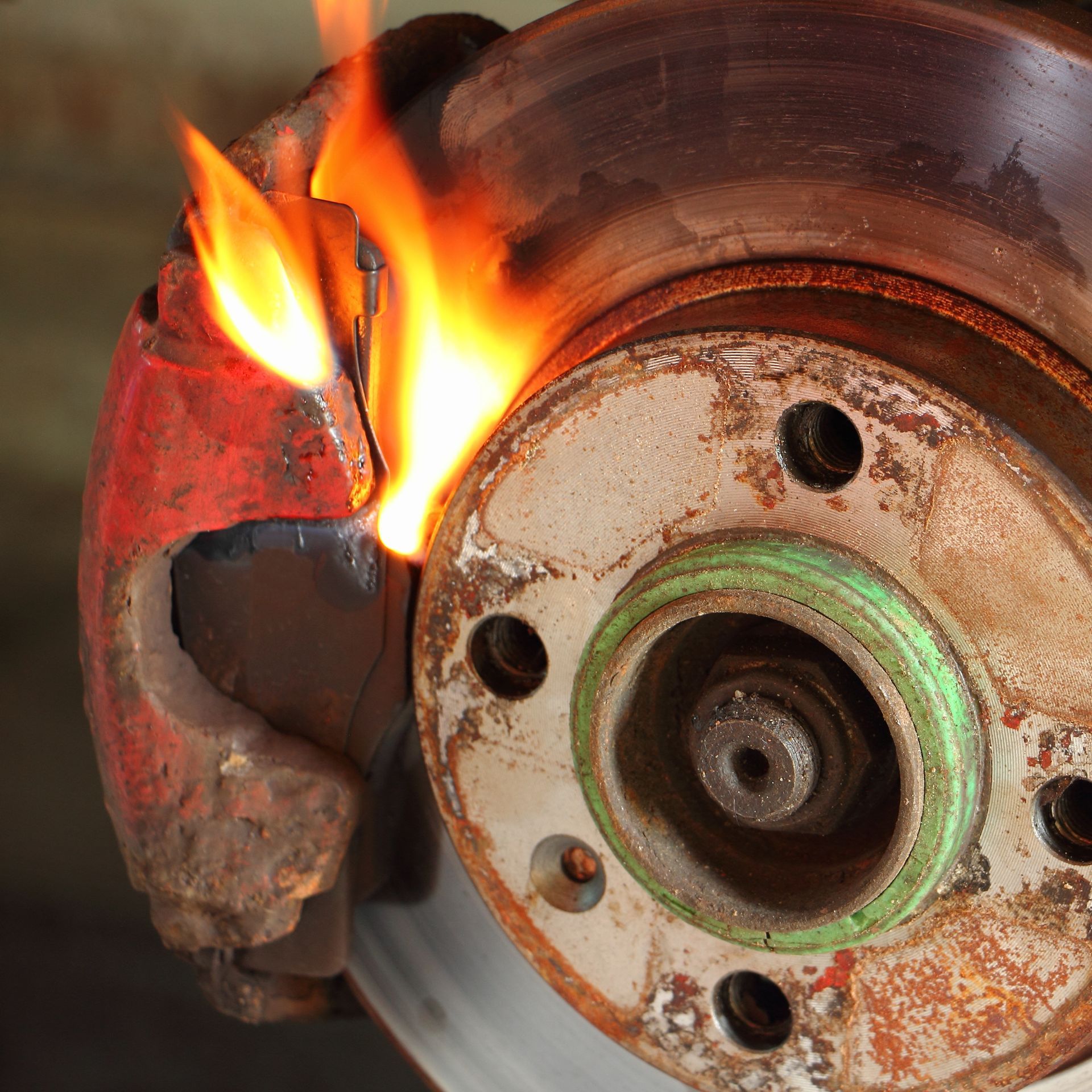
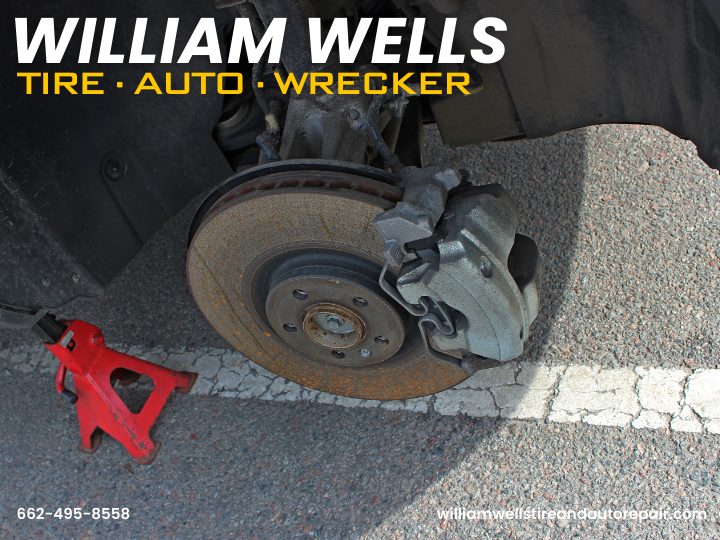
Brake-related issues
If the vibration appears mainly during braking, uneven braking surfaces or distortion are common contributors. This affects stopping smoothness and consistency.
Worn suspension or steering components
Ball joints, tie rods, bushings, and control arms keep the wheels stable. When they wear, vibration is often an early warning—not the final symptom.
Alignment combined with wear
Alignment issues alone rarely cause shaking, but they can amplify vibration when other components are worn.
What the vibration feels like matters
- Light vibration at speed → rotating components like tires or wheels
- Pulsing during braking → brake system involvement
- Loose or wandering steering → steering or suspension wear
- Sharp shake over bumps → joint or structural issues
These clues help narrow the direction—but they don’t replace inspection.
How the problem should be confirmed
A proper inspection follows a process—not a guess:
- Road test to reproduce the vibration
- Tire and wheel evaluation for balance and runout
- Brake system measurement
- Suspension and steering inspection under load
- Verification before recommending repairs
This approach protects you from unnecessary part replacement and recurring issues.
Common ways drivers waste time and money
- Replacing tires without checking wheels
- Doing brake work when suspension is the real cause
- Using alignments as a universal fix
- Swapping parts based on symptoms instead of measurements
If the shake disappears briefly and comes back, the root cause usually wasn’t addressed.
What to do next
- Mild, speed-specific vibration → schedule an inspection soon
- Brake-related or worsening vibration → prioritize inspection
- Violent shaking or unstable steering → stop driving and have it checked
If it were my vehicle, I’d want clarity before putting more miles on it.
When you should stop driving immediately
- Steering wheel shakes aggressively or unpredictably
- Vehicle pulls hard during braking
- Steering response feels loose or delayed
- Loud mechanical noises accompany the vibration
Those are safety signals—not comfort issues.
Why inspection-first thinking matters
A steering wheel shake isn’t just about comfort. It’s about control, predictability, and avoiding secondary damage. Shops that inspect, measure, and explain help drivers make confident decisions without pressure.
Fixing the cause once beats chasing symptoms repeatedly.
Get a clear answer locally
If your steering wheel is shaking and you want answers before making decisions, William Wells Tire & Auto offers inspection-driven service across multiple Mississippi locations:
Starkville
📍 12919 MS-182, Starkville, MS 39759
📞 (662) 268-4081
Columbus
📍 1625 Gardner Blvd, Columbus, MS 39702
📞 (662) 240-2414
West Point
📍 93 W Broad St, West Point, MS 39773
📞 (662) 495-8558
🌐 https://www.williamwellstireandautorepair.com/
Serving Starkville, Columbus, West Point, and surrounding Mississippi communities with clear explanations and inspection-first repairs.
Frequently Asked Questions
Can I keep driving if it only shakes at highway speeds?
Often short-term, yes—but inspection helps prevent it from worsening.
Why does it shake only when braking?
That usually points to braking system distortion or related suspension issues.
Can rough roads cause this suddenly?
Yes. Impacts can bend wheels or damage suspension components.
Will an alignment fix steering wheel shake?
Only if alignment is contributing. It’s rarely the sole cause.
Does shaking always mean something is about to fail?
Not always—but worsening symptoms deserve attention.
Is this always a front-end problem?
Usually, but inspection confirms the exact source.
You can watch the video