Why Is My Car Riding Rough?

Why Is My Car Riding Rough?
A smooth ride should feel effortless — stable, quiet, and comfortable. But when something changes, you know it instantly. Suddenly, your steering wheel vibrates, your seat feels every bump, and what used to be a calm drive down MS-182 or Gardner Boulevard now feels harsh and uneven.
When your car starts riding rough, it’s more than an inconvenience. It’s your vehicle’s way of saying that something beneath you — tires, suspension, steering, or driveline — isn’t working as it should.
Whether you’re driving across Starkville, Columbus, or West Point, the cause can be found and fixed once you know what to look for. This detailed guide will help you understand why your car feels rough, how to diagnose it, and what to do to restore a smooth, safe, and confident ride.
1. Tires and Wheels — The Foundation of Ride Quality
Your tires and wheels are the first connection between your car and the road. When they’re out of balance or alignment, you’ll feel it immediately through the steering wheel, seat, or floorboard.
Tire Pressure and Inflation
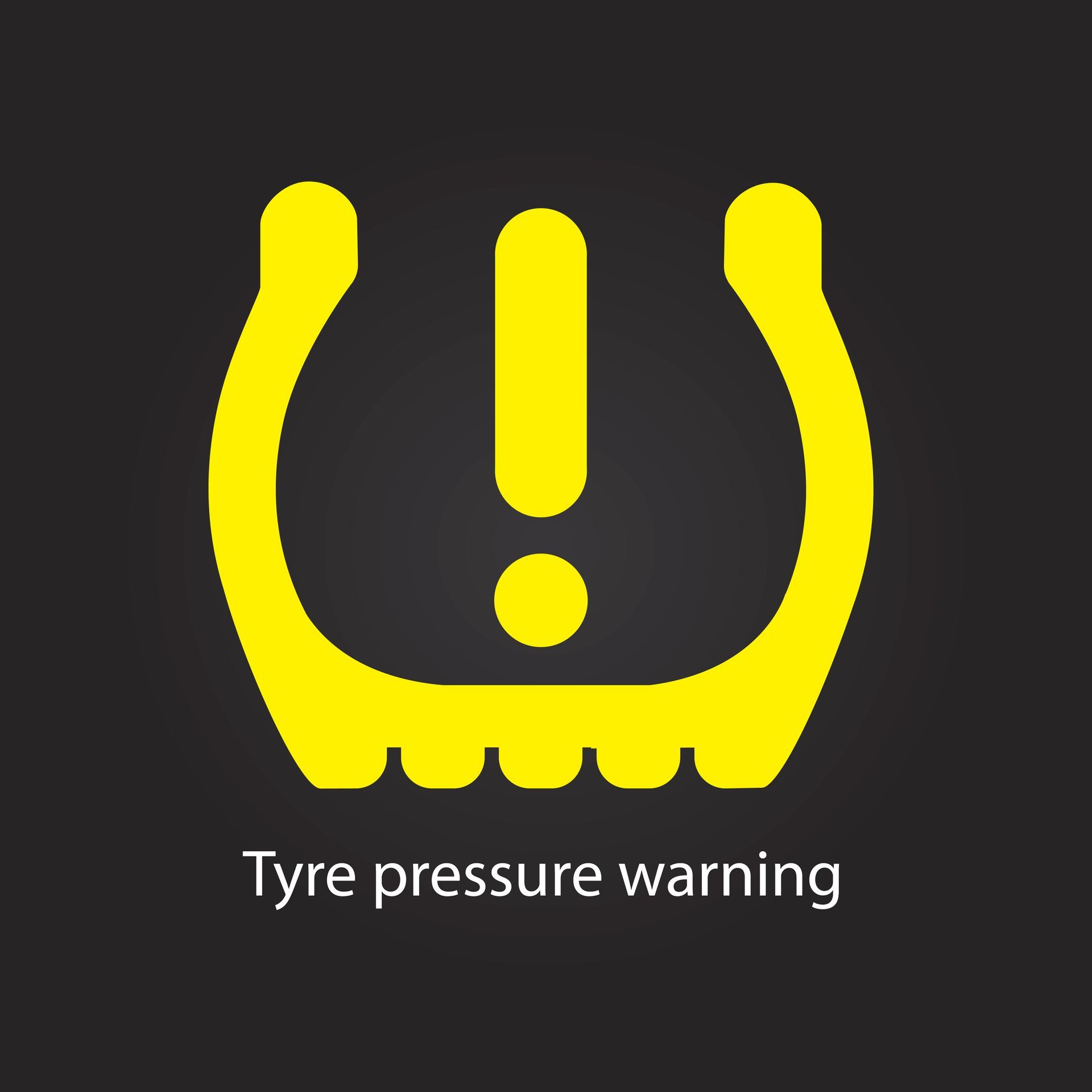
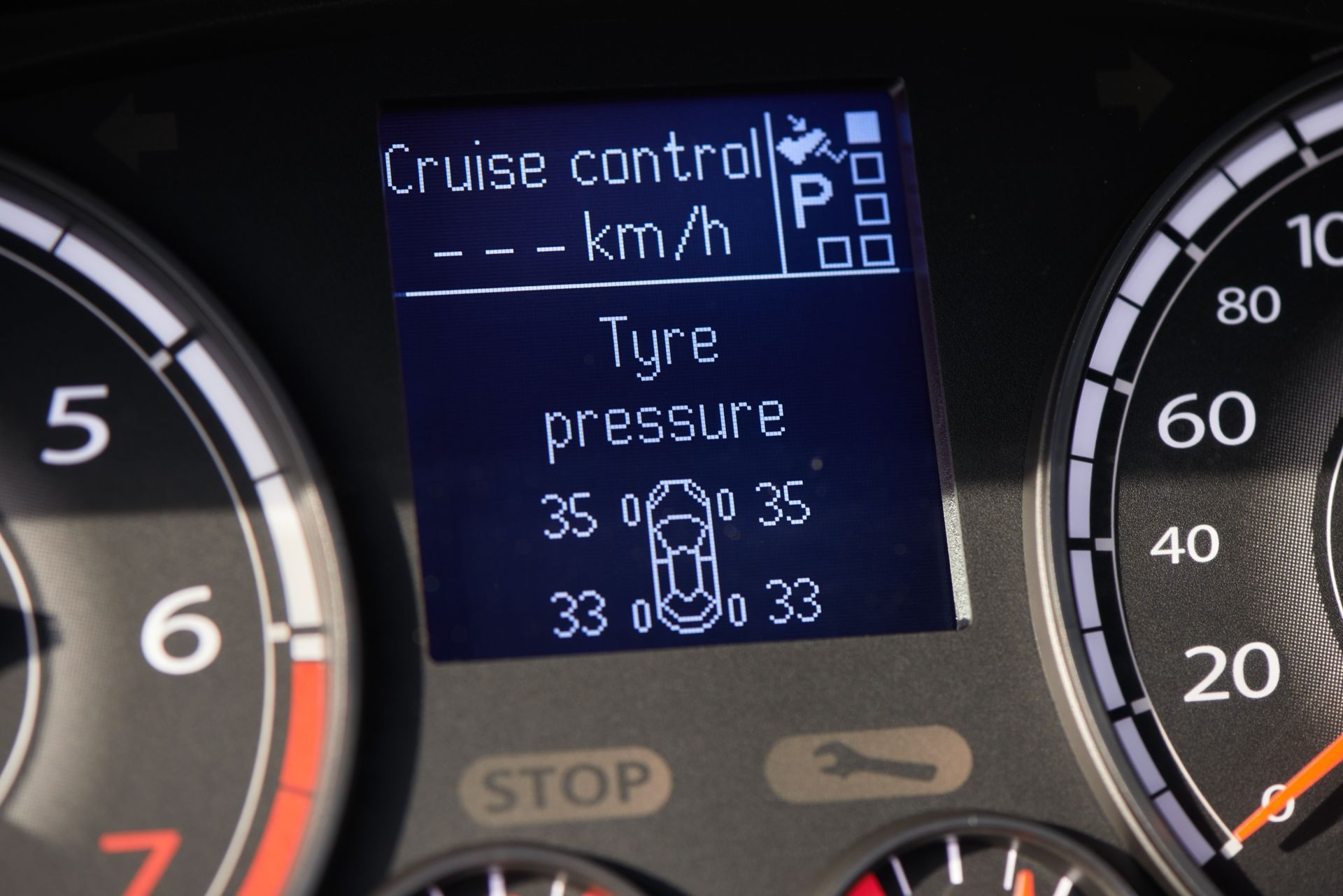
Uneven or improper tire pressure is one of the most common causes of a rough ride.
- Underinflated tires flex too much, making the ride feel loose and unstable.
- Overinflated tires become rigid, transmitting every bump directly into the cabin.
- Uneven pressure between tires creates pulling, vibration, and uneven tread wear.
In Mississippi’s hot summers and cool winters, tire pressure can change several PSI overnight. Checking your tires monthly keeps your ride balanced and comfortable.
Tire Tread and Condition
Tread wear patterns tell the truth about your suspension and alignment health.
- Cupping or scalloping: Often means worn shocks or struts.
- Edge wear: Alignment or camber issue.
- Center wear: Overinflation.
- Feathering: Loose or worn steering components.
Even if your tires still have tread, uneven wear causes noise, vibration, and poor contact with the road.
Wheel Balance and Alignment
When tires aren’t balanced properly, you’ll feel a rhythmic vibration at specific speeds — typically 50–70 mph. This imbalance can come from lost weights, uneven wear, or rim damage.
Alignment affects how your tires meet the road. If it’s off, your tires will “fight” each other, creating roughness, pulling, and rapid wear.
Potholes or curb strikes around Starkville or Columbus can easily throw alignment out of spec. Routine checks keep your steering straight and your ride smooth.
Rim Damage
A bent or cracked rim can make even new tires feel rough. Hitting a deep pothole or curb in downtown West Point or along Highway 45 may cause damage invisible to the eye but easily detected with a balance test.
2. Suspension — The Cushion Between You and the Road
The suspension system absorbs road impact and keeps your tires in contact with the pavement. When it’s healthy, you barely feel bumps. When it’s worn, every crack and ripple hits hard.
Worn Shocks and Struts
Shocks and struts control how your car responds after hitting a bump. Over time, their internal fluid leaks or valves weaken, leading to loss of control and comfort.
Signs of worn shocks or struts include:
- Car bounces after bumps.
- Nose dives during braking.
- Rear squats when accelerating.
- Uneven or cupped tire wear.
- Excessive body roll in corners.
On rough Mississippi highways or county roads, worn shocks are especially noticeable — your vehicle may feel floaty or unstable at high speeds.
Springs and Ride Height
Coil springs support your vehicle’s weight and determine its ride height. When they weaken or break, one corner may sag, causing the car to feel unbalanced.
A sagging spring changes suspension geometry and increases harshness over bumps.
Bushings, Mounts, and Joints
Rubber bushings cushion the connection between suspension parts and the chassis. Over time, Mississippi’s heat and humidity cause them to dry out, crack, or deteriorate.
Once that happens, metal-on-metal contact creates harshness, clunks, and vibration. Worn control arm bushings, ball joints, or strut mounts can make your car feel rough and noisy even on smooth roads.
3. Steering Components — The Precision of Comfort
The steering system plays a major role in ride feel. When its components loosen or wear out, vibration and instability increase.
Tie Rods
Tie rods link your steering rack to your wheels. If they wear or loosen, the steering wheel develops play, vibration, and uneven feedback — especially over bumps or during turns.
Ball Joints and Control Arms
Ball joints allow your suspension to flex while maintaining alignment. When worn, they create knocking sounds and uneven movement, causing vibration or harshness.
A loose ball joint can even cause the wheel to shift under load, producing a rough or unstable ride.
Wheel Bearings
Wheel bearings enable smooth wheel rotation. When they begin to fail, they produce a humming or grinding noise that increases with speed. The resulting vibration can make the car feel rough even on flat pavement.
Ignoring a bad bearing can eventually lead to steering instability and further suspension damage.
4. Brakes, Driveline, and Mounts — Hidden Causes of Roughness
Not every rough ride comes from suspension or tires. Sometimes, the problem is deeper in the drivetrain or braking system.
Warped Brake Rotors
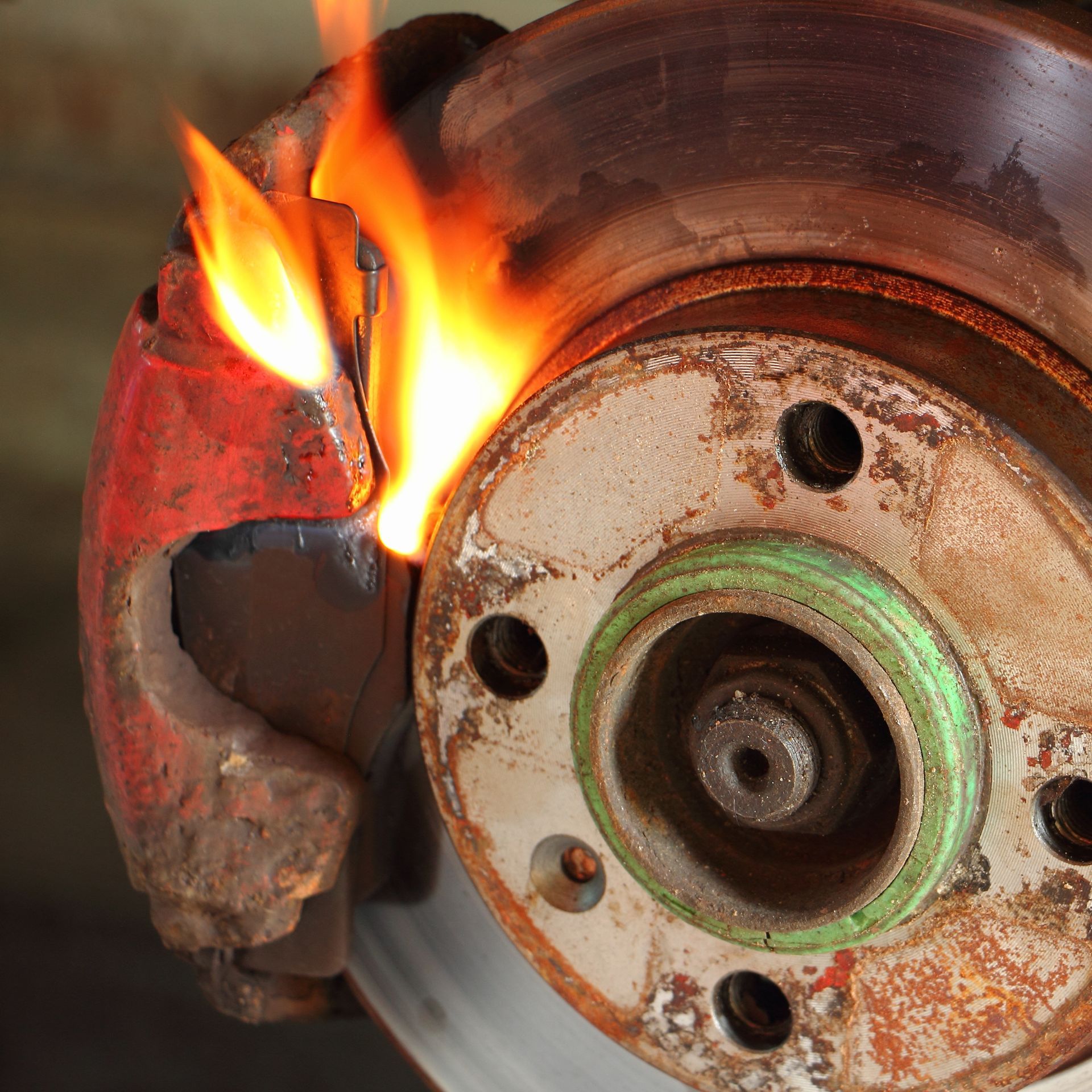
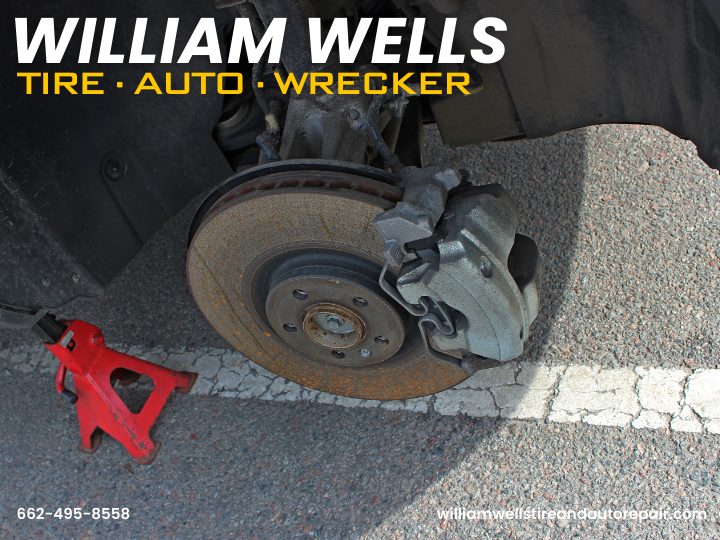
If you feel vibration mainly during braking, warped rotors are likely. Heat from frequent braking or long descents can warp the metal surface, creating pulsing feedback through the steering wheel or brake pedal.
Engine and Transmission Mounts
Mounts isolate vibration from the powertrain. When they wear out or separate, the engine’s natural vibration transmits directly into the chassis. You’ll feel it as shaking when idling, accelerating, or shifting.
Driveline and Axle Problems
Bent axles or unbalanced driveshafts cause rhythmic vibrations that increase with speed. Front-wheel-drive vehicles often experience roughness from worn CV joints, especially if the rubber boots have cracked and leaked grease.
If your car shudders during acceleration or clicks while turning, a CV joint or driveline issue could be the culprit.
5. The Mississippi Factor — How Local Conditions Affect Ride Quality
The Golden Triangle’s climate and road conditions play a major role in how vehicles wear.
Potholes and Road Texture
From rural backroads to high-traffic highways, Mississippi roads can be unpredictable. Potholes, uneven pavement, and gravel shoulders can quickly knock wheels out of alignment or stress suspension parts.
Humidity and Heat
Moisture, humidity, and heat accelerate rubber and metal wear. Bushings, mounts, and tires all break down faster in these conditions, leading to rougher rides over time.
Temperature Changes
Cool mornings and hot afternoons cause tire pressure to fluctuate, changing how your car feels hour to hour. Keeping your tires properly inflated helps maintain consistent comfort and safety.
6. Diagnosing a Rough Ride the Smart Way
Finding the cause of a rough ride takes methodical inspection. Start simple, then move deeper.
Step 1: Check the Tires
Inspect for correct pressure, even tread wear, and damage.
Step 2: Balance and Alignment
If vibration occurs at speed or the car pulls, check wheel balance and alignment.
Step 3: Evaluate the Suspension
Perform a bounce test. If the car continues to move after one push, shocks or struts are weak.
Step 4: Listen While Driving
Clunks, rattles, or grinding noises reveal much about the source — for example, clunks = suspension, hum = bearings, pulse = rotors.
Step 5: Get a Professional Inspection
A full undercar inspection will confirm which components are worn, bent, or misaligned, using precision measurement equipment.
7. Why Ignoring a Rough Ride Costs More Later
A rough ride doesn’t stay the same — it gets worse.
- Safety risks: Worn shocks reduce braking traction.
- Premature tire wear: Misalignment and suspension damage wear tires fast.
- Increased component stress: Vibration damages bearings, joints, and mounts.
- Driver fatigue: Constant shaking leads to discomfort and distraction.
Addressing ride-quality issues early prevents more expensive damage and restores vehicle control and safety.
8. Maintenance Habits That Keep Your Ride Smooth
Tire and Wheel Maintenance
- Check tire pressure monthly.
- Rotate and balance every 5,000–6,000 miles.
- Align annually or after major impacts.
- Inspect rims for bends or corrosion.
Suspension and Steering Care
- Inspect shocks and struts every 50,000 miles or once a year.
- Replace worn bushings and mounts early.
- Check tie rods, ball joints, and bearings at regular service intervals.
Driving Habits
- Slow down for potholes and rough pavement.
- Avoid curbs and abrupt speed bumps.
- Wash the undercarriage occasionally to prevent rust buildup.
These habits extend both comfort and component life — especially in Mississippi’s variable weather conditions.
9. The Connection Between Comfort and Control
Ride comfort isn’t just about luxury — it’s about safety.
When your suspension, tires, and steering are all working together, your vehicle handles predictably. Tires stay in full contact with the road, braking distances shorten, and handling improves.
If your car feels rough, unstable, or unpredictable, it’s a clear sign that harmony has been lost — and restoring that balance is critical for both safety and performance.
10. When to Schedule a Professional Inspection
Book an inspection if you notice:
- Persistent vibration or bouncing at highway speeds.
- Uneven tire wear.
- Steering wheel vibration during braking.
- Clunking or rattling from underneath.
- Roughness that appears after a pothole or curb strike.
- A sudden change in ride feel.
Professional diagnostics will pinpoint whether the cause lies in tires, suspension, steering, or drivetrain — ensuring you fix the right issue the first time.
11. How William Wells Tire & Auto Restores Ride Comfort
At William Wells Tire & Auto, we specialize in restoring smooth, safe, and confident rides for drivers across Starkville, Columbus, and West Point.
Our ASE-certified technicians use advanced diagnostic equipment to measure, inspect, and correct the exact cause of your vehicle’s rough ride.
Our Process Includes:
- Comprehensive inspection of tires, suspension, steering, and drivetrain.
- Digital alignment for pinpoint accuracy.
- Wheel balancing and shock testing.
- Professional diagnosis with transparent explanation before any repair.
Whether it’s a tire issue, suspension wear, or steering problem, we’ll ensure your vehicle rides like new again.
12. Local Expertise You Can Trust
Mississippi roads demand local experience. Our team knows the effects of regional weather, humidity, and road conditions that create the specific problems Golden Triangle drivers face.
We don’t just fix — we educate. When you visit William Wells Tire & Auto, we’ll walk you through exactly what caused your car to ride rough and how to prevent it in the future.
With locations in Starkville, Columbus, and West Point, we’re proud to keep local drivers comfortable, safe, and on the road.
13. Restore the Smooth Ride You Deserve
A rough ride might seem minor, but it’s a clear warning that something needs attention. Fixing it early restores comfort, protects your tires and suspension, and ensures you stay in control — mile after mile.
At William Wells Tire & Auto, our goal is simple: deliver honest answers, expert service, and smooth rides that last.
Starkville Location:
12919 MS-182, Starkville, MS 39759
(662) 268-4081
Columbus Location:
1625 Gardner Blvd, Columbus, MS 39702
(662) 240-2414
West Point Location:
93 W Broad St, West Point, MS 39773
(662) 495-8558
Website: https://www.williamwellstireandautorepair.com/
Proudly serving Starkville, Columbus, West Point, and surrounding areas across the Golden Triangle region of Mississippi.
You can watch the video