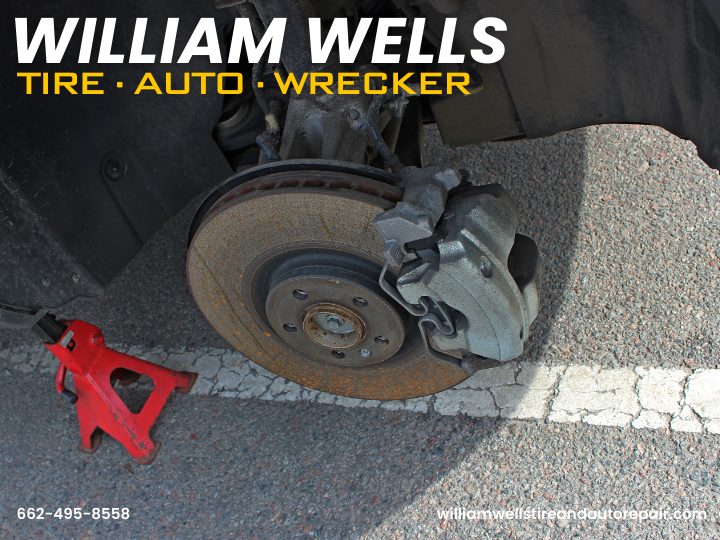
How Can I Tell If My Water Pump Is Going Bad
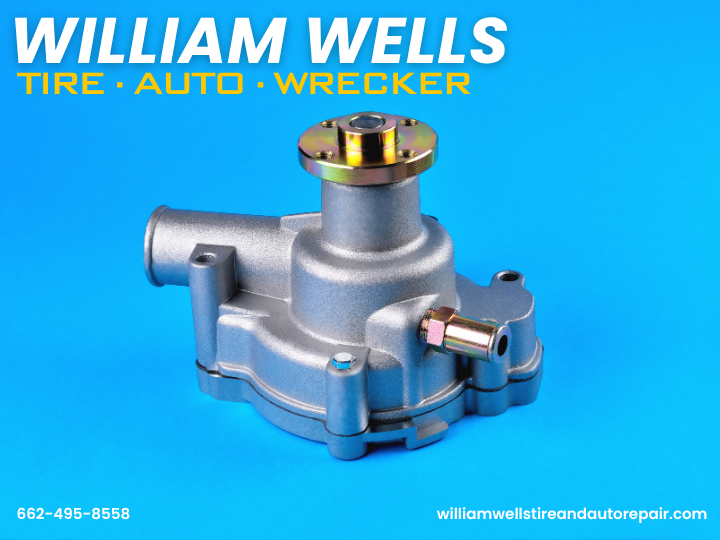
How Can I Tell If My Water Pump Is Going Bad?
The Ultimate Cooling System Guide for Drivers in Starkville, Columbus, and West Point
Every vehicle relies on one essential component to stay cool, stable, and protected—the water pump. While most drivers think about oil changes, brake pads, or tire wear, the water pump quietly runs in the background, circulating coolant throughout the engine and preventing temperatures from climbing into dangerous territory.
But when the water pump begins to fail, your engine loses its ability to regulate heat. That’s when you start seeing temperature spikes, coolant leaks, strange noises, and potential overheating. And once the signs begin, they only get worse with time.
Drivers across Starkville, Columbus, West Point, and surrounding Mississippi communities deal with heat, humidity, long rural drives, and seasonal weather shifts—all of which put stress on cooling systems. Knowing how to recognize the early signs of water pump failure can save you from breakdowns, expensive repairs, and long-term engine damage.
This in-depth guide explains exactly how water pumps work, why they fail, the major warning signs, and how technicians diagnose issues before they turn into emergencies.
Section 1: What Your Water Pump Actually Does
The Cooling System’s Circulation Engine
Your engine produces intense heat every time it runs. Combustion, friction, electrical systems, and mechanical movement all generate high temperatures that must be controlled. Without proper coolant circulation, the engine overheats within minutes.
The water pump ensures coolant keeps flowing through:
- The engine block
- The cylinder head
- The heater core
- The radiator
- The hoses and passageways
Its core functions include:
1. Moving Coolant Throughout the Engine
Coolant absorbs heat from internal components and carries it away.
2. Delivering Hot Coolant to the Radiator
The radiator dissipates heat into the air before coolant recirculates.
3. Maintaining System Pressure
Pressure is essential for uniform temperature control.
4. Supplying the Cabin Heater
Warm air inside the vehicle comes from coolant passing through the heater core.
5. Preventing Overheating
Without a functioning water pump, temperatures rise fast and dangerously.
Your water pump is the heart of your cooling system. When it weakens, everything else begins to struggle.
Section 2: Why Water Pumps Fail
Understanding Wear, Heat, and the Mississippi Environment
Water pumps are durable, but they are not immune to wear. Their decline is typically gradual, with symptoms appearing long before complete failure.
Common causes include:
1. Bearing Wear
The pump’s internal bearings are constantly spinning. Over time, they loosen, grind, or seize.
2. Seal Failure
Rubber seals inside the pump break down due to age, heat, or coolant chemicals.
3. Degraded Coolant
Old or contaminated coolant becomes acidic, eating away at metal surfaces and seals.
4. Wrong Coolant Type
Mixing different coolants accelerates corrosion.
5. Belt Problems
Loose or overtightened belts put strain on the pump shaft and bearings.
6. Heat and Humidity
Mississippi summers increase cooling system pressure and temperature.
7. Long Rural Drives
Extended highway runs between Starkville, Columbus, and West Point expose the cooling system to extended heat cycles.
Understanding these causes helps explain why water pump failure happens slowly—and why early detection is so important.
Section 3: Major Warning Signs Your Water Pump Is Going Bad
The Most Reliable Symptoms to Watch For
Water pumps almost always give you warning signs before they fail. Here’s what to look for.
1. Coolant Leaks Under the Front of the Vehicle
Seal failure reveals itself through the “weep hole”
Every water pump has a small opening called a weep hole. When the internal seal breaks down, coolant leaks through this hole.
Signs of leakage include:
- Coolant puddles beneath the front of the vehicle
- Spots on your driveway
- A sweet smell after driving
- Coolant residue near the timing cover or splash shield
Once coolant starts leaking, pump failure is already underway.
2. Grinding, Whining, or Chirping Noises
Bearing wear always produces noise
The water pump’s bearings keep the impeller spinning smoothly. When they wear down, the pump makes noise.
Listen for:
- High-pitched whining
- Rhythmic chirping that rises with RPM
- Metal-on-metal grinding
- A rough growl from the front of the engine
If the bearing locks up, coolant flow stops instantly.
3. Temperature Gauge Running Hot or Fluctuating
Temperature changes are never accidental
Common symptoms include:
- Slight temperature increases
- Temperature spikes during idling
- Hotter-than-normal readings during long drives
- Fluctuating temperatures in traffic
- Heat rising during AC use or towing
These changes often appear when driving through heavy traffic in Starkville or climbing hills outside Columbus.
4. Steam or Vapor From Under the Hood
This is a major emergency sign
Steam means coolant is boiling or escaping under pressure. If you see steam:
- Pull over
- Turn off the engine
- Do not drive further
This is one of the final stages of water pump failure.
5. Corrosion, Rust, or Dried Coolant Around the Pump
Visible erosion reveals internal damage
Signs include:
- Crusty white or orange residue
- Rust spots
- Dried coolant tracks
- Mineral buildup
This is typically caused by acidic coolant, incorrect coolant, or internal leakage.
6. Low Coolant Levels Without Visible Leaks
Coolant doesn’t disappear on its own
If coolant levels keep dropping:
- The pump may be leaking slowly
- Coolant may be evaporating on hot surfaces
- There may be an internal or hidden leak
Any unexplained coolant loss must be inspected.
7. Weak or Inconsistent Cabin Heat
Circulation problems affect heater performance
You may notice:
- Weak heat on cold mornings
- Heat that disappears at idle
- Longer warm-up times
This symptom is extremely common in winter across the Golden Triangle.
Section 4: Why Water Pump Problems Are Serious
The Engine Cannot Protect Itself Without Coolant Flow
A failing water pump threatens the entire engine.
Consequences include:
- Severe overheating
- Blown head gasket
- Cracked cylinder head
- Warped engine components
- Radiator damage
- Hose ruptures
- Total engine failure
Heat is the engine’s greatest enemy. Once coolant flow slows, internal damage begins quickly.
Section 5: How Technicians Diagnose a Bad Water Pump
Professional Testing for Real Answers
Diagnosing a failing water pump requires expertise and tools.
Technicians perform:
1. Cooling System Pressure Testing
Identifies leaks and seal issues.
2. Pulley and Bearing Inspection
Detects wobble, noise, and shaft wear.
3. Belt Tension and Alignment Testing
Improper belt tension can destroy a pump.
4. Coolant Flow Testing
Verifies whether coolant is circulating properly.
5. Coolant Chemical Analysis
Checks for acidity, contamination, and coolant aging.
6. Thermal Temperature Mapping
Shows hot spots and flow issues inside the engine.
These systematic steps ensure accurate diagnosis—not guesswork.
Section 6: When You Should Schedule a Water Pump Inspection
Symptoms That Require Immediate Attention
You should schedule an inspection if you notice:
- Coolant leakage
- New noises from the engine
- Temperature fluctuations
- Poor cabin heat
- Coolant levels dropping
- Corrosion around the pump
- Steam from under the hood
These symptoms always indicate a decline in coolant flow.
Section 7: Why Water Pump Failure Is More Common in Mississippi
Local Conditions That Accelerate Wear
Drivers in Starkville, Columbus, and West Point experience unique environmental stressors:
- High summer heat amplifies coolant pressure
- Humidity encourages corrosion
- Long rural drives on MS-182, MS-12, and US-45 create extended heat cycles
- Stop-and-go city traffic in Columbus stresses the cooling system
- Rapid temperature changes during seasonal shifts
- Dust and debris can enter engine compartments in rural areas
All of these factors speed up water pump wear.
Section 8: Why Proper Water Pump Replacement Matters
Precision Repair Protects the Entire Cooling System
Replacing a water pump correctly requires:
- Precision torque settings
- Correct gasket installation
- Belt alignment and tensioning
- Full coolant flush
- Air bleed and pressure balancing
- Post-repair temperature testing
Improper replacement can cause leaks, overheating, or immediate repeat failure.
This is why water pump replacement must be done professionally.
Section 9: Why Drivers Trust William Wells Tire & Auto
Three Locations. One Standard of Excellence.
William Wells Tire & Auto serves drivers across the Golden Triangle with three locations:
- Starkville
- Columbus
- West Point
Drivers trust them because they provide:
- Advanced cooling system diagnostics
- Precision repair standards
- Accurate root-cause identification
- Clear communication
- High-quality parts
- Expert installation practices
Their technicians deliver long-term reliability—not temporary fixes.
Section 10: Schedule Your Water Pump Inspection Today
If your vehicle is showing signs of water pump failure—or if you want seasonal peace of mind—schedule a cooling system inspection today.
William Wells Tire & Auto
12919 MS-182, Starkville, MS 39759
(662) 268-4081
1625 Gardner Blvd, Columbus, MS 39702
(662) 240-2414
93 W Broad St, West Point, MS 39773
(662) 495-8558
Website: https://www.williamwellstireandautorepair.com/
Proudly serving Starkville, Columbus, West Point, Oktibbeha County, Lowndes County, Clay County, and surrounding Mississippi communities.
Early detection protects your engine, your reliability, and your long-term vehicle health.
You can watch the video