A lot of drivers think of brake pads as something that simply wears down with mileage. That is true, but mileage is only part of the story. At our shop, we see brake wear speed up in summer, during heavy traffic, on long downhill drives, and anytime a vehicle is carrying more weight or working harder than normal. The reason is heat.
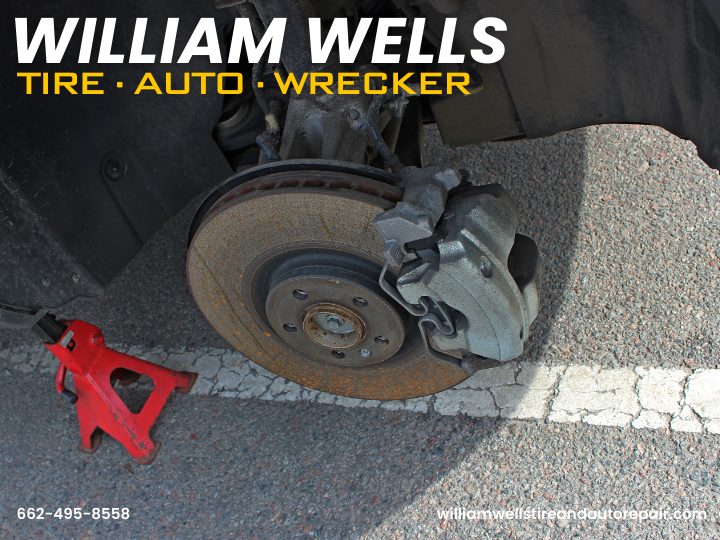
Your brakes create heat every single time you slow down. That is how they work. Brake pads clamp against the rotors, friction is created, and the vehicle loses speed. The problem is that brake pads are only designed to handle so much heat for so long before wear starts building faster. Once temperatures climb high enough and often enough, the pads break down sooner and the whole braking system can start feeling less confident.
That is why hot weather, traffic, and driving conditions matter more than many people realize. Heat does not just make your brakes work. It can quietly wear them down faster than expected.
Why Brake Pads Get Hot In The First Place
Every time you press the brake pedal, your brake pads press against the rotors and create friction. That friction turns motion into heat. Under normal driving conditions, the brakes heat up and cool down repeatedly without any real trouble. That is what they are built to do. The trouble starts when they do not get enough of a chance to cool.
In stop and go traffic, repeated braking keeps stacking heat on top of heat. On long downhill roads, the brakes may stay under load for an extended time. In summer weather, hot pavement and high outside temperatures add to the problem. If the vehicle is loaded with passengers, luggage, or gear, the brakes also have to work harder to slow the extra weight. That combination is what makes heat such a big factor in brake wear.
Summer Driving Is Harder On Brake Pads
At our shop, we see this pattern every year. Summer driving feels easy on people because there is no snow or ice, but for the brakes it can actually be a rough season. High temperatures mean the braking system starts from a hotter baseline. Add traffic, road trips, vacation cargo, and long idle time, and the pads end up facing more stress than they do in calmer, cooler conditions.
This does not mean your brakes are doomed every summer. It just means hot weather can expose weak pads faster and wear decent ones down more quickly if the driving conditions are right. It is especially true if the pads were already partway through their life going into the season.
Heat Can Cause Pads To Wear Faster Than You Expect
Brake pads do not usually wear out in one dramatic moment. They wear down gradually as the friction material gets used up. But when the pads repeatedly face high heat, that wear can accelerate. The material can glaze, harden unevenly, or lose effectiveness in ways that make the system work even harder.
A pad that is running hotter more often may not only wear faster. It may also stop feeling as smooth or as strong as it once did. That is why drivers sometimes notice that the brakes feel different in summer even before the pads are fully worn out.
Stop And Go Traffic Is A Brake Wear Machine
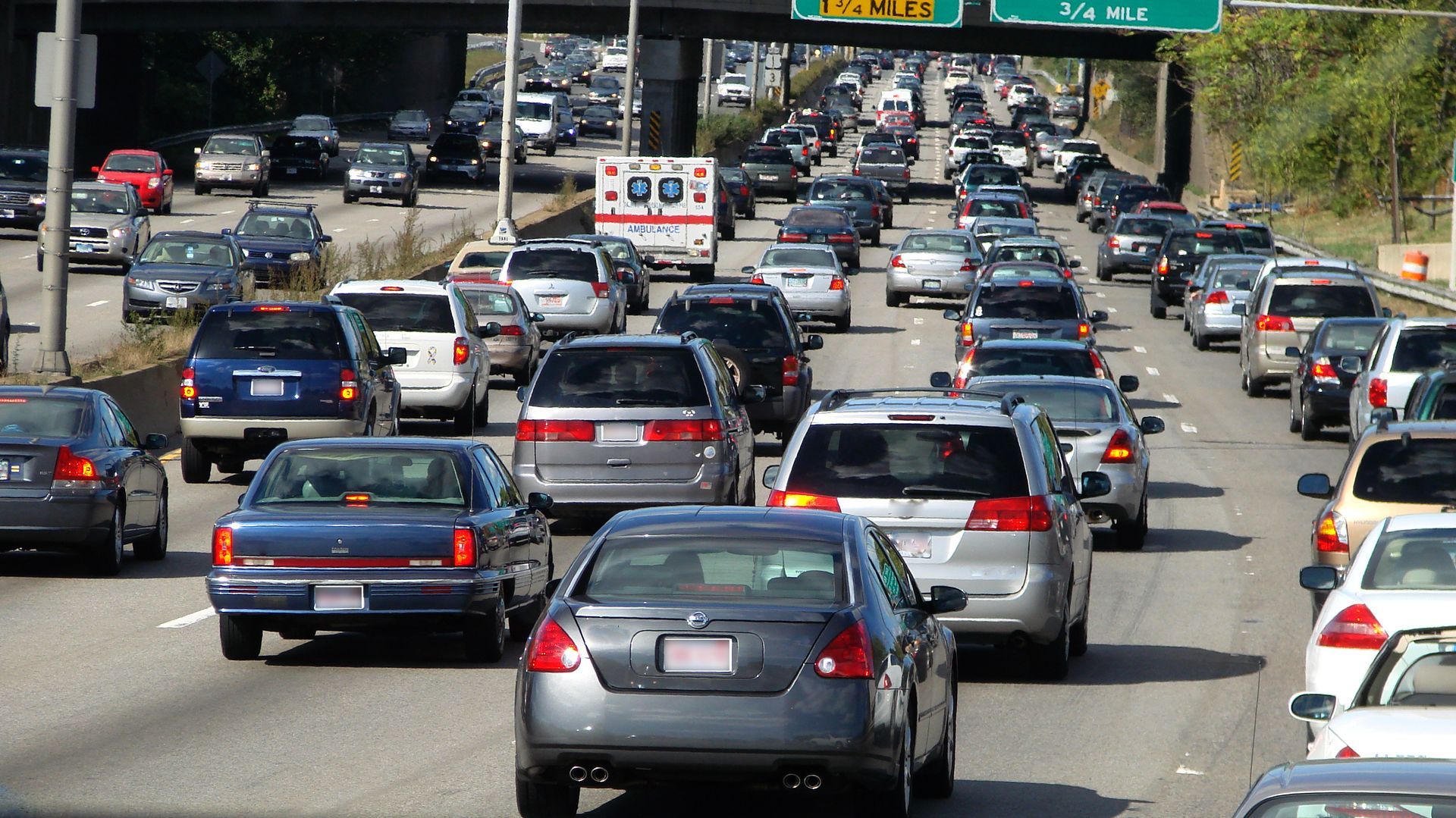
If there is one real world condition that quietly burns through brake pads, it is traffic. Repeated short braking events do not sound dramatic, but they add up fast. Every stop light, every slowdown, and every inching forward in congestion asks the pads to create more heat again and again.
Unlike a smooth highway drive where the brakes may go long stretches without much use, traffic gives the system very little rest. That constant cycle of friction and heat is one of the biggest reasons city drivers and commuters often go through brake pads faster than people who mostly drive steady highway miles.
Extra Weight Makes The Problem Worse
More weight means more momentum. More momentum means the brakes need more force and more heat to slow the vehicle down. That is why brake wear often increases when the vehicle is carrying extra passengers, heavy cargo, road trip gear, or towing loads.
A family SUV loaded for vacation may still drive fine, but the brake pads are doing much more work than they would on a normal weekday commute. The same goes for trucks and crossovers carrying tools, equipment, or anything else that turns everyday driving into heavier duty work.
Signs Heat Is Taking A Toll On Your Brakes
The warning signs are usually not subtle for very long. A few of the most common clues that your brake pads may be wearing down or overheating include:
- Squeaking or squealing when braking
- Grinding sounds
- A burning smell after heavy braking
- Longer stopping distances
- A brake pedal that feels less solid or predictable
- Vibration or pulsing while slowing down
Some of these signs point to early wear. Others suggest the pads may already be worn well past where they should have been replaced. Grinding in particular is not something we consider minor. It often means the pad material is gone and metal is contacting the rotor.
Squeaking Is Often An Early Warning
A lot of brake pads are built with wear indicators that make noise once the pads get low. That squeak is meant to get your attention before the braking system starts damaging more expensive parts.
If you hear squealing regularly, especially in dry conditions after the brakes are warmed up, it is time for an inspection. Sometimes it is just dust or light moisture. But if the sound keeps returning, it is much smarter to check the pads than to wait until the noise gets worse.
Grinding Usually Means You Waited Too Long
Grinding is where brake wear stops being a maintenance issue and starts becoming a bigger repair. Once the pad friction material is gone, the metal backing plate can contact the rotor directly. That damages the rotor quickly and can reduce stopping performance at the same time.
A lot of drivers tell themselves they will get the brakes checked soon once they hear grinding. At our shop, we always recommend treating that sound as a now problem, not a later problem. The longer grinding continues, the more likely it is that the repair spreads beyond pads and into rotors and possibly other brake hardware too.
Heat Can Also Reveal Brake System Problems
Sometimes hot brakes are not only wearing the pads down. They are also exposing issues elsewhere in the system. A sticking caliper can keep a pad dragging against the rotor and create extra heat all the time. Old brake fluid can perform worse when temperatures rise. Worn rotors can hold and transfer heat differently than they should. We never like to assume brake pad wear is the entire story without inspecting the full system. Heat related wear can be part of a larger brake problem.
Do Not Wait For The Brakes To Feel Unsafe
One of the biggest mistakes drivers make is waiting until the brakes feel obviously dangerous before doing anything. By then, the pads are often far beyond the ideal replacement point. Brake service is almost always simpler and more affordable when it is done earlier, before the noise turns to grinding and before rotor damage gets involved.
At our shop, we would much rather inspect the brakes because they are starting to squeak than replace a whole set of worn out parts after the system has been pushed too far. If your brakes are squeaking, grinding, smelling hot, or just not feeling as strong as they should, bring your vehicle to William Wells Tire & Auto in Columbus, West Point, and Starkville, MS.