A tire that keeps losing air can be frustrating, especially when there is no nail, screw, or obvious hole in the tread. You may refill it every few days or weeks, only to find the pressure dropping again without any clear explanation.
The Valve Stem Can Leak Even When the Tire Looks Fine
The valve stem is one of the most common places for a slow leak to develop. Rubber valve stems can crack as they age, while the valve core inside the stem can loosen or stop sealing correctly.
A leaking valve may lose air slowly enough that the tire appears normal from the outside. Technicians can apply a leak-detection solution around the valve stem and core to look for bubbles. On vehicles with tire pressure monitoring sensors built into the valve assembly, the seal around the sensor can also become a source of leakage.
The Tire Bead May Not Be Sealing Against the Wheel
The bead is the reinforced edge of the tire that seals against the wheel. If the bead area becomes contaminated, damaged, or corroded, air can escape even though the tire itself has no puncture.
This is especially common on wheels that have developed corrosion around the bead seat. Moisture and road salt can build up between the tire and wheel, creating an uneven sealing surface. A technician may need to remove the tire, clean the wheel carefully, inspect the bead, and reseat the tire before the leak can be corrected.
Wheel Corrosion Can Create Slow Leaks
Aluminum alloy wheels can corrode over time, particularly in areas exposed to road salt, moisture, and winter conditions. Corrosion does not always create a large hole. It can form rough or pitted surfaces where the tire bead contacts the wheel.
Steel wheels can rust and develop similar sealing problems. If the wheel surface is too damaged, cleaning alone may not provide a dependable repair. The wheel may need refinishing or replacement depending on the severity of the corrosion.
A Bent or Cracked Wheel Can Lose Air
A hard pothole, curb strike, or road impact can bend a wheel without creating an obvious visual problem. Even a small distortion around the rim can interfere with the tire bead seal and cause a slow pressure loss.
Cracks can develop too, especially on alloy wheels after a strong impact. A small crack may leak only under certain conditions or when the wheel flexes. If a tire begins losing air immediately after hitting a pothole, the wheel deserves just as much attention as the tire.
Small Punctures Can Be Hard to See
Not every puncture leaves a large object sticking out of the tread. A very thin nail, staple, wire, or screw can create a leak that is difficult to spot once the object falls out.
Some punctures also leak differently depending on how the tire is positioned. The hole may seal temporarily when the tire is resting on one part of the tread and begin leaking again while driving. Applying leak-detection solution or submerging the tire can reveal bubbles that a visual inspection misses.
Previous Tire Repairs Can Start Leaking
A tire that has been repaired in the past may develop leakage around the repair area. This can happen if the repair was damaged, improperly installed, or exposed to additional movement and wear.
A proper repair generally involves inspecting the inside of the tire and using an approved repair method for the puncture location. A simple external plug may not always provide the same long-term sealing as a correctly installed internal repair. If the leak is near an old repair, the tire should be removed and inspected from the inside.
Temperature Changes Can Lower Tire Pressure
Cold weather can reduce tire pressure even when there is no leak. As air temperature drops, the air inside the tire contracts and pressure decreases. A tire that was properly inflated during warmer weather can therefore read several PSI lower after a significant temperature change.
Temperature-related pressure loss usually affects all four tires to some degree. If only one tire repeatedly loses much more pressure than the others, a leak is more likely. Checking pressure when the tires are cold provides the most consistent readings.
Internal Tire Damage Can Cause Problems
A tire can develop internal damage without showing an obvious puncture on the outside. Impact damage, separation between internal layers, or bead damage can sometimes affect the tire's ability to hold air.
Bulges, unusual vibrations, or visible distortion should be taken seriously. A tire with structural damage may not be safely repairable even if the air loss is slow. An inspection from the inside can reveal problems that are hidden while the tire remains mounted on the wheel.
TPMS Components Can Be Part of the Leak
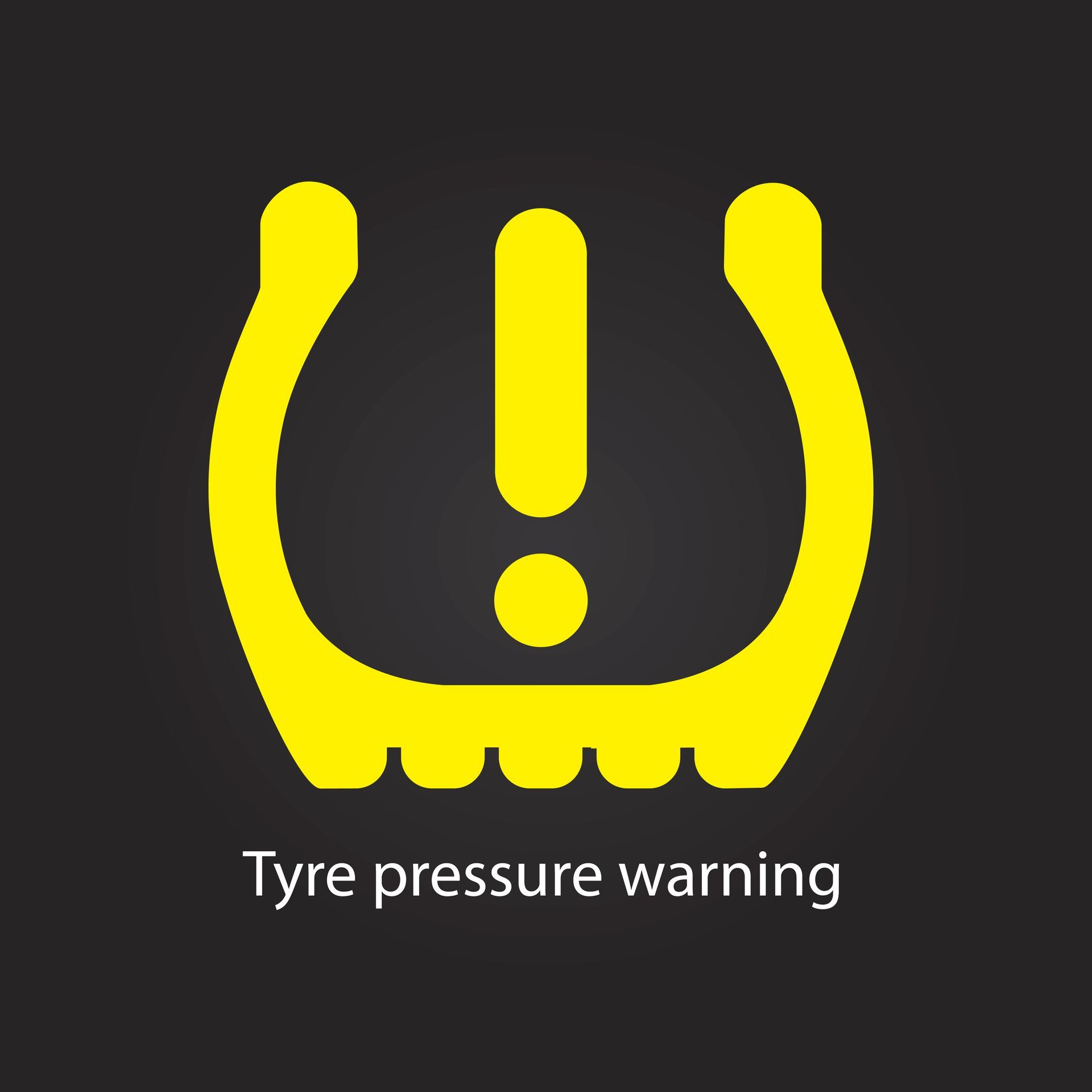
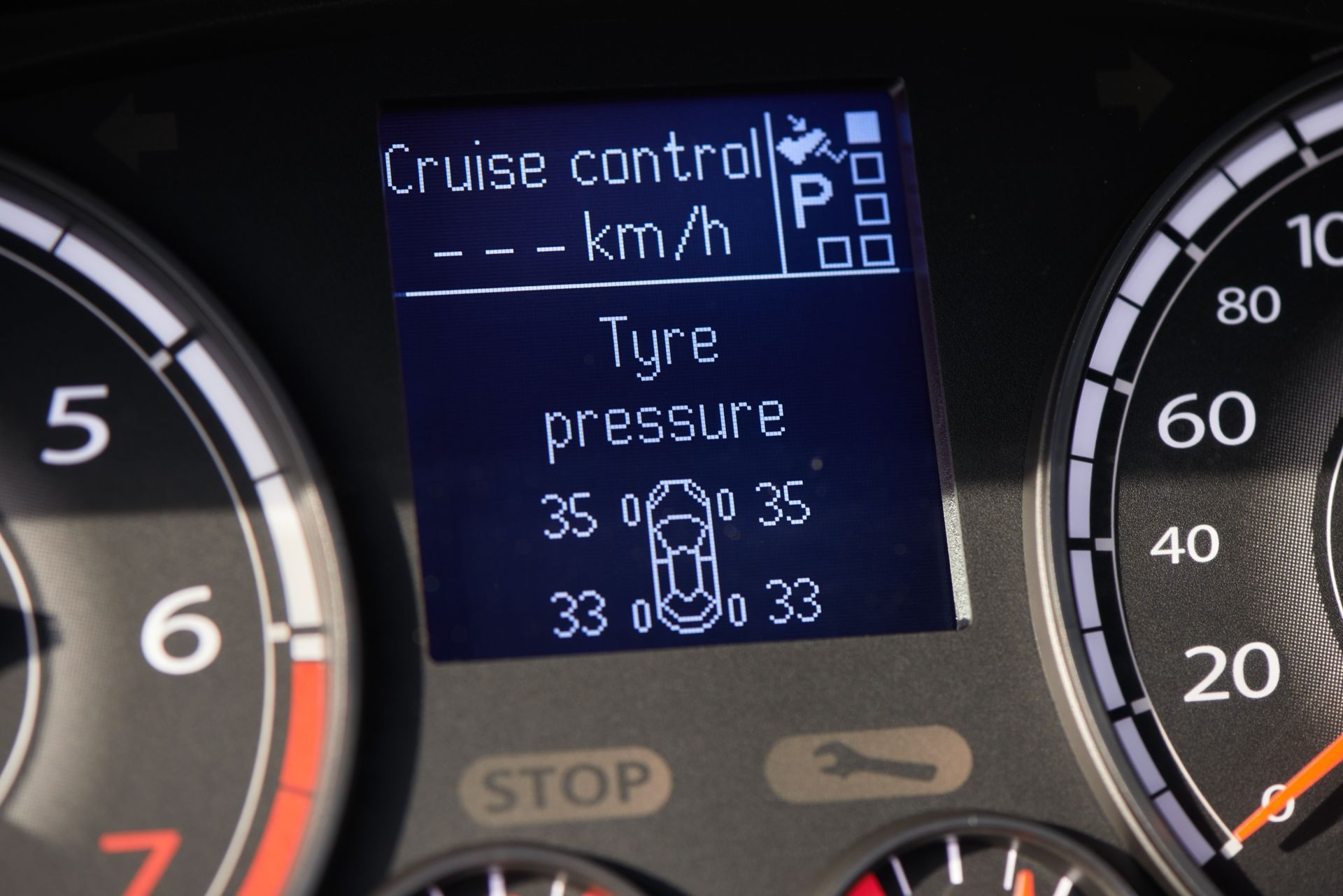
Many modern vehicles use tire pressure monitoring sensors mounted inside the wheel. Depending on the design, the sensor may be connected to a metal valve stem with seals, washers, and retaining hardware.
These seals can deteriorate or corrode over time. If the leak is coming from the TPMS valve assembly, replacing the sensor itself may not always be necessary. Service kits are available for many systems and may include the seals and hardware needed to restore the connection.
Why Repeatedly Adding Air Is Not a Good Long-Term Fix
Refilling a tire every few days keeps the pressure up temporarily, but it does not correct the leak. Driving on a tire that repeatedly drops below its recommended pressure can increase heat buildup, accelerate tread wear, and affect handling.
Regular maintenance should include tire pressure checks, but a tire that cannot hold pressure needs an inspection. Finding the source early may allow a simple repair instead of waiting until the tire or wheel develops additional damage.
Get Tire Leak Inspection in Columbus, West Point, and Starkville, MS, With William Wells Tire & Auto
William Wells Tire & Auto serves drivers in Columbus, West Point, and Starkville, MS, with tire inspection, repair, and replacement services.
If one of your tires keeps losing air and you cannot find the cause,
contact us to schedule an inspection so the leak can be located and repaired properly.