Low tire pressure changes the way a vehicle feels on the road more than most drivers expect. The shift is not always dramatic at first. The steering gets a little slower, the car feels less settled in turns, and fuel stops seem to come sooner, even though your route has not changed.
That softer feel is your tires giving up the support they are supposed to provide every mile.
Why Tire Pressure Changes So Much About The Drive
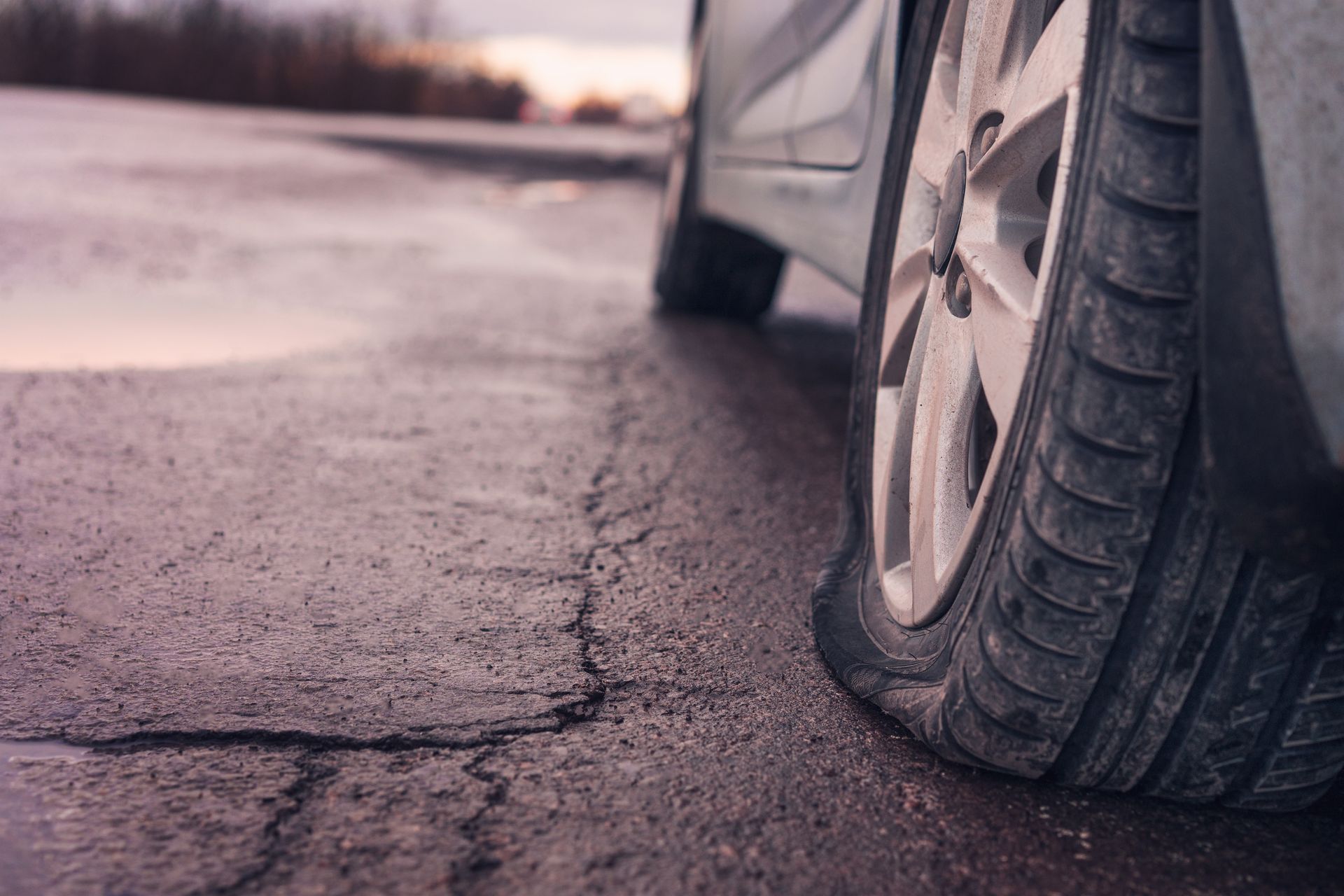
A properly inflated tire is designed to evenly distribute weight across the tread while keeping the sidewall stable. Once pressure drops, the tire flexes more than it should. That changes how it meets the road, how it responds to steering input, and how much effort it takes to keep the vehicle moving.
This is why low pressure affects more than comfort. The tire stops working at its intended shape, and that will show up in braking, cornering, fuel use, and tread life. Even being a few PSI low across all four tires is enough to change how the vehicle behaves.
Handling Gets Slower And Less Predictable
One of the first things drivers notice is a vague or heavy steering feel. The car does not respond as cleanly when changing lanes or turning into a corner because the underinflated tire is squirming more on the pavement. That extra flex makes the vehicle feel less precise, especially during quick corrections or wet-weather driving.
Low pressure also hurts stability in a straight line. The tire has less support, so the vehicle can feel softer and less planted at highway speeds. We see this often when drivers describe the car as floaty, sluggish, or just not feeling right, even though nothing seems obviously wrong.
Fuel Economy Drops Faster Than People Expect
Underinflated tires create more rolling resistance. In simple terms, the engine has to work harder to push the vehicle forward because the tires are dragging more against the road. That added effort shows up at the gas pump, especially on longer commutes or highway trips.
The drop in fuel economy is usually gradual, which is why it gets overlooked. Drivers blame traffic, weather, or fuel quality when the real issue is the car's four corners. During regular maintenance, checking and correcting tire pressure is one of the easiest ways to protect mileage without doing anything major.
Tire Wear Gets Uneven In A Hurry
Tread wear is where low pressure starts costing real money. An underinflated tire puts more load on the outer edges of the tread, so those shoulders wear faster than the center. Once that pattern starts, the tire will never wear evenly again unless the issue is caught early.
A few signs usually point in that direction:
- Extra wear on both outer edges of the tread
- Tires are looking low even after recent driving
- A heavier steering feel in parking lots
- More road noise at higher speeds
- Lower fuel mileage without another clear cause
That is why an inspection of tread wear tells a bigger story than just whether the tire has life left. The wear pattern shows how that tire has been carrying the vehicle.
Heat Builds Up Inside The Tire
Low pressure does more than wear the tread faster. It creates extra heat inside the tire because the sidewall flexes more with every rotation. Heat is one of the biggest enemies of tire durability, and once it exceeds what the tire was designed to withstand, the risk of internal damage increases.
This becomes more serious on hot roads, long highway drives, or vehicles carrying extra weight. A tire running low and hot is under far more stress than it should be. That does not mean every underinflated tire is headed for immediate failure, though it does mean the tire is being pushed in the wrong direction every time you drive.
Why Tire Pressure Drops In The First Place
Sometimes, pressure loss is a simple seasonal change. A temperature swing will lower PSI enough to trigger a warning light or change the way the car feels. In other cases, the problem comes from a nail, wheel corrosion, bead leak, damaged valve stem, or a tire that has been slowly losing air for weeks.
This is where a quick top-off is not always the full answer. If one tire keeps dropping below the others, there is usually a leak that needs attention. Our technicians check for that pattern regularly because repeated air loss usually indicates a repairable problem before it becomes a ruined tire.
How Often To Check Tire Pressure
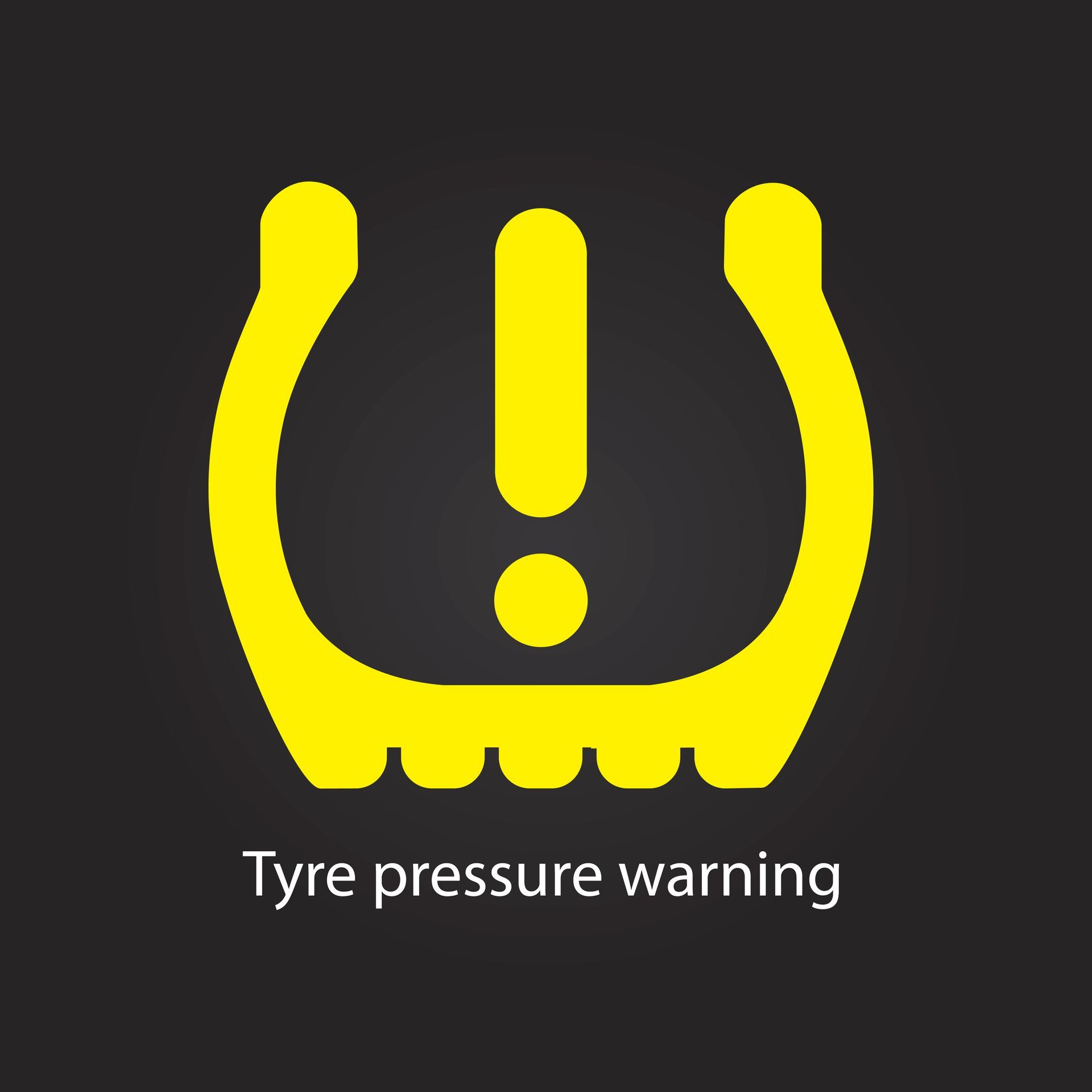
Drivers who wait for the tire light are waiting too long. Pressure should be checked routinely, especially before highway trips, when temperatures change, and anytime the vehicle starts feeling less stable or efficient. A small pressure loss is easy to fix early and expensive to ignore for months.
The best time to check is when the tires are cold. That gives you a more accurate reading and makes it easier to compare the numbers to the sticker inside the driver’s door. Once pressure is set correctly and the cause of any repeated loss is fixed, the vehicle usually feels sharper almost immediately.
Get Tire Service In Mississippi With William Wells Tire & Auto
If your car feels less stable, your gas mileage has dropped, or your tires are wearing unevenly, William Wells Tire & Auto can check pressure, inspect the tires, and find out whether air loss or wear is behind it. Correct tire pressure protects handling, fuel economy, and tread life all at once.
Stop in for a tire check before low pressure shortens the life of a set that should have lasted much longer.