A car that drifts or wanders at highway speeds can make a normal drive feel tiring. You keep both hands on the wheel, make tiny corrections, and still feel the vehicle won't stay centered in the lane.
That kind of movement is not always dramatic. Sometimes it feels like the car slowly leans toward one side. Other times, it feels loose, floaty, or unsettled whenever speed builds. The cause can come from alignment, tires, steering parts, suspension wear, brakes, or road conditions. The trick is figuring out which one is actually affecting the vehicle.
Wheel Alignment Can Pull The Car Off Center
Alignment affects how the tires meet the road. If the angles are off, the vehicle can drift, pull, or feel unstable at higher speeds. A small alignment problem might not feel obvious around town, but it can become annoying once you are holding a steady lane on the highway.
The steering wheel may sit slightly crooked, or the car may need constant correction to stay straight. Alignment can be knocked out by potholes, curbs, worn suspension parts, or normal wear over time. If the vehicle pulls in the same direction on different roads, alignment should be checked.
Tire Pressure And Tire Wear Change The Feel
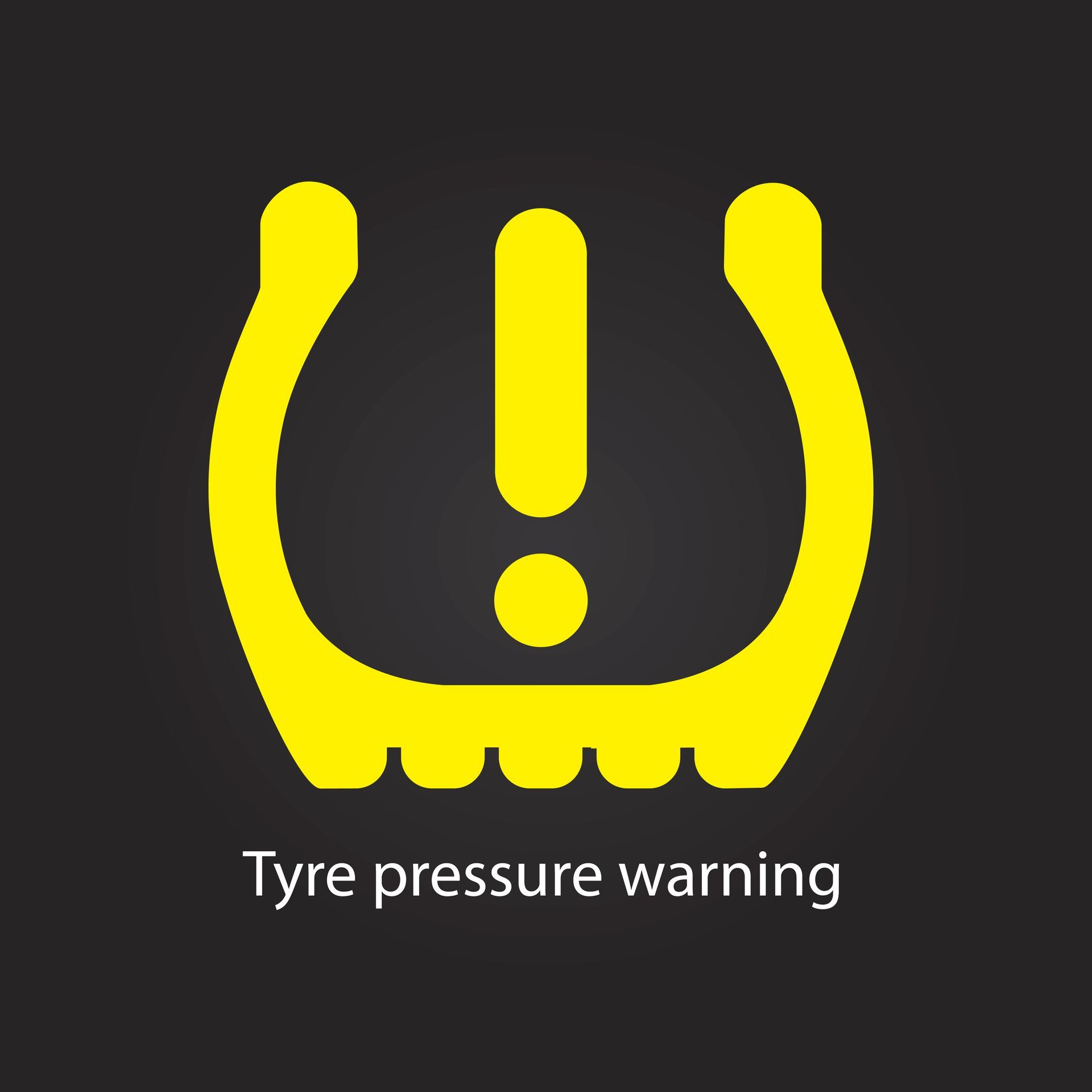
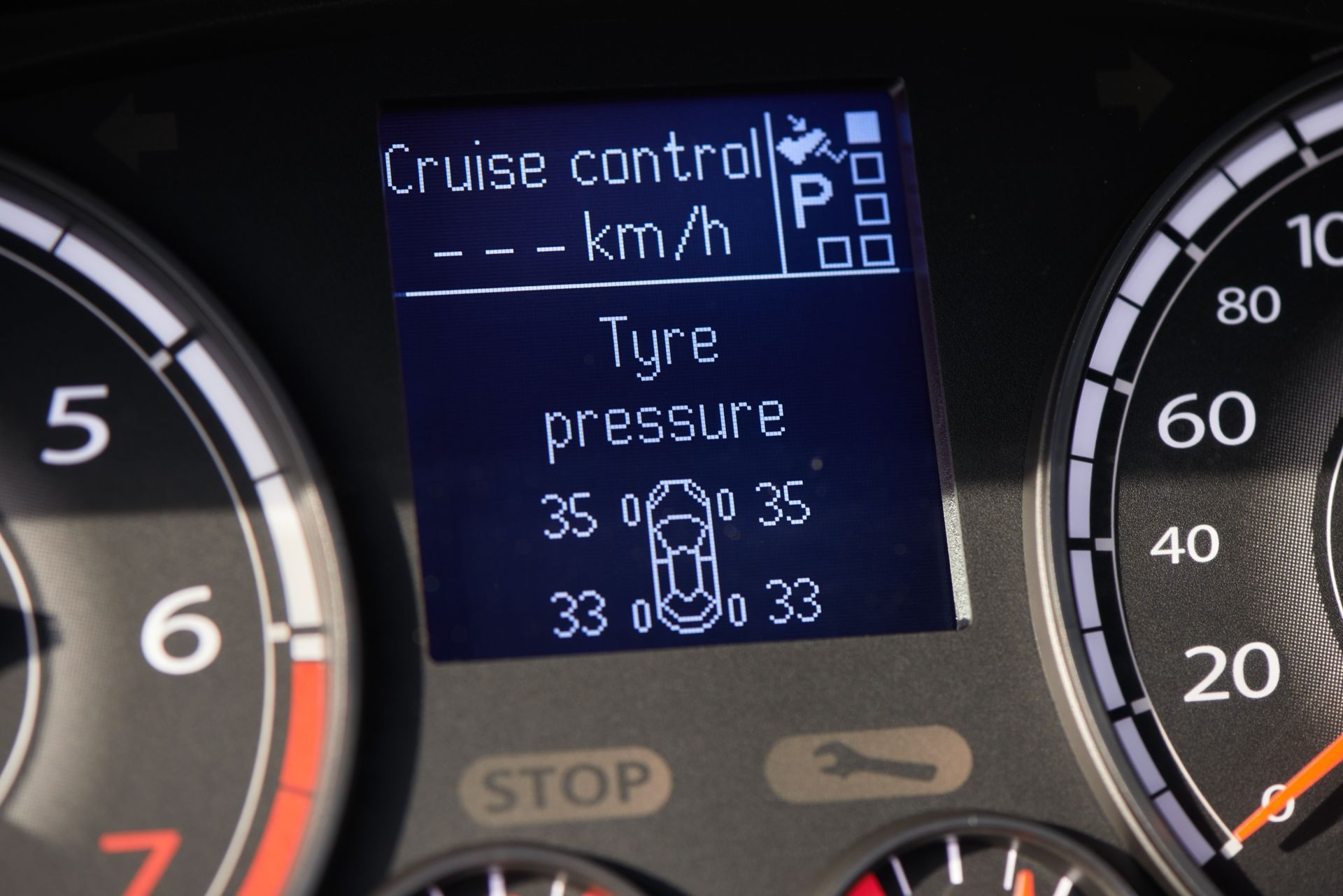
Tires are one of the first things to check when a car wanders. Uneven tire pressure can make one side of the vehicle roll differently from the other. A low tire can create drag, heat, and a pull that feels like an alignment issue.
Tire wear tells a story, too. Feathered edges, cupping, inner-edge wear, or one tire worn more than the others can point toward alignment trouble, weak suspension parts, improper rotation habits, or balance concerns. A tire can have tread left and still cause poor tracking if the wear pattern is uneven.
Regular maintenance helps catch pressure and wear issues before they show up as highway wandering. Tire rotations, pressure checks, and visual checks are simple, but they make a real difference in how steady the vehicle feels.
Loose Steering Parts Can Make The Car Feel Floaty
A vehicle should respond cleanly when you move the steering wheel. If the steering feels loose, delayed, or vague, worn steering components may be to blame. Tie rods, ball joints, control arm bushings, steering rack components, and other linkage parts all help keep the tires pointed where you aim them.
At low speeds, a little looseness can be harder to notice. On the highway, that looseness can make the vehicle feel like it is drifting inside the lane. You may find yourself correcting left, then right, then left again. That constant correction is a sign the steering system needs a closer look.
Suspension Wear Can Affect Stability
The suspension keeps the tires planted and controls body movement. Worn shocks, struts, bushings, or control arms can make a vehicle feel less stable at speed. The car may bounce more than it used to, lean during lane changes, or feel unsettled over dips and rough pavement.
Suspension wear can also change alignment angles while the vehicle is moving. That means the alignment numbers might not tell the whole story if a worn part is shifting under load. A careful inspection should check both the alignment and the parts that hold it in place.
Brakes Or Wheel Bearings Can Create A Pull
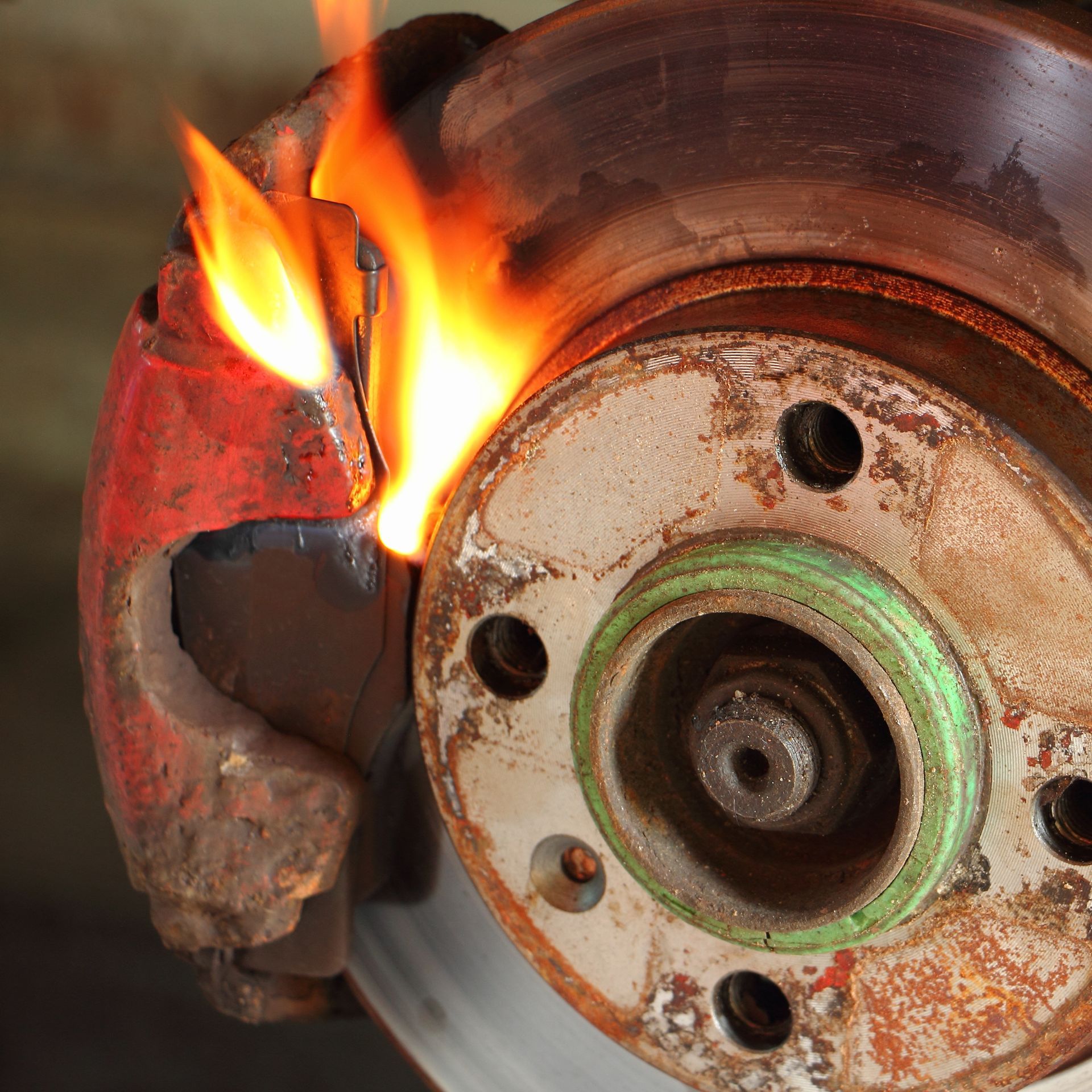
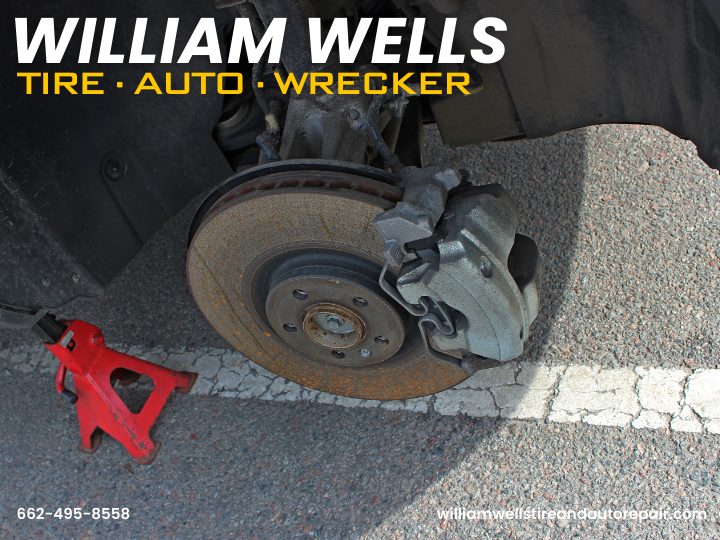
A brake problem can sometimes feel like drifting. If one caliper sticks or one brake drags slightly, that wheel can pull the vehicle toward one side. The driver may notice a hot smell, extra brake dust on one wheel, lower fuel economy, or a pull that gets worse after driving for a while.
Wheel bearings can also affect a vehicle's tracking. A worn bearing is more likely to hum or growl, but it can cause looseness or vibration as wear worsens. If the car wanders with noise, vibration, or heat near one wheel, those parts should be checked along with the tires and alignment.
Road Crown And Wind Can Fool You
Not every drift comes from the vehicle. Roads are built with a slight crown so water can drain, and that can make a car lean gently toward the shoulder. Wind can also move taller vehicles, trucks, and SUVs, as well as vehicles with roof loads that drivers do not expect.
The difference is consistency. If the car drifts only on certain roads or in strong winds, the road or the weather might be to blame. If it pulls the same way on most roads, or the steering wheel never feels centered, the vehicle deserves attention. A road test on different surfaces can help separate normal road influence from a mechanical problem.
Why Highway Wandering Should Be Checked
Highway wandering makes driving more tiring, but it can also indicate tire wear, steering looseness, or suspension problems that compromise safety. The vehicle should feel predictable, especially at speed. If it does not, waiting usually means more tire wear and a less confident drive.
A proper check should include tire pressure, tire condition, alignment angles, steering parts, suspension parts, brakes, wheel bearings, and a road test. That full look helps avoid blaming alignment when worn parts are really the cause, or replacing parts when the tires were the main problem.
Get Steering And Alignment Service In Mississippi, With William Wells Tire & Auto
If your vehicle drifts, wanders, pulls, or feels loose at highway speeds, William Wells Tire & Auto can help drivers in Columbus, MS, West Point, MS, and Starkville, MS, find the cause.