What is the Cause of That Clunking Sound in my Truck?

What Is the Cause of That Clunking Sound in My Truck?
(A Complete Diagnostic and Maintenance Guide for Truck Owners in Starkville, Columbus, and West Point, MS)
Introduction: When That “Clunk” Becomes Impossible to Ignore
You’re driving down Highway 182 in Starkville, or maybe through downtown Columbus or West Point, when you hear it—a deep clunk from somewhere beneath your truck. It might happen when you accelerate, shift into gear, or hit a bump in the road. At first, you think it’s nothing. Then it happens again, louder.
That heavy, hollow noise isn’t just a quirk—it’s your truck’s way of saying something’s wrong. A clunking sound usually means that key components in your suspension, steering, or drivetrain have developed play or looseness, allowing parts that should fit tightly to move and strike against one another.
Ignoring it can turn a simple repair into a major issue, affecting ride comfort, safety, and even drivability. This guide breaks down the most common causes of clunking noises, what they mean, and how to address them before they lead to costly damage.
1. Understanding What a “Clunk” Really Means
A “clunk” is a solid, low-impact sound that happens when metal parts move suddenly and collide because of looseness, worn rubber bushings, or failing joints. Unlike squeaks or grinding sounds, a clunk usually points to a heavy, load-bearing component under stress.
Common systems responsible for clunking sounds include:
- Suspension and steering – joints, bushings, or mounts wearing out
- Drivetrain – worn U-joints, differential backlash, or driveshaft play
- Engine and transmission mounts – deteriorated or broken supports
- Brake or frame components – loose hardware or warped surfaces
2. Suspension System: The Most Common Cause of Clunks
Your suspension absorbs shocks, keeps your tires in contact with the road, and maintains control. It’s also the system most prone to developing clunking noises over time—especially with the mix of rough highways and country roads around Starkville, Columbus, and West Point.
a) Ball Joints
Ball joints act as pivot points for your suspension, allowing smooth turning and movement. When they wear, they develop looseness that produces a clunking or popping sound during bumps or turns.
- Symptoms: Clunk when turning, uneven tire wear, wandering steering
- Fix: Replacement of the affected joint; ignoring it risks separation or steering failure
b) Control Arm Bushings
These rubber bushings cushion the control arm and absorb vibration. When they crack or separate, the metal components collide, creating a dull thud.
- Symptoms: Clunking during acceleration, braking, or over bumps
c) Sway Bar Links
Sway bar links keep your truck stable during turns. When bushings or links wear, they create knocking noises on rough or uneven terrain.
- Symptoms: Clunk when cornering, increased body roll, or poor stability
d) Worn Shocks or Struts
When shocks lose hydraulic pressure or seals leak, your suspension can bottom out, creating a deep impact sound.
- Symptoms: Bouncing ride, excessive nose dive, or fluid leakage on strut housing
3. Steering System: When Turning Produces a Clunk
If the noise happens while turning your steering wheel, your steering components may be to blame.
a) Tie Rod Ends
Tie rods connect the steering rack to the wheels. When they loosen, the steering linkage shifts before responding, producing a knock or clunk.
- Symptoms: Clunk when turning, loose steering, uneven tire wear
b) Steering Rack Mounts
Rubber rack mounts can deteriorate, allowing the rack to move slightly each time you steer.
- Symptoms: Thud or vibration felt through the steering wheel
c) Intermediate Shaft U-Joints
The small U-joints in the steering column can corrode or seize, creating a clunking or binding sensation during steering input.
4. Drivetrain: Torque-Related Clunks
When clunks occur during acceleration, deceleration, or gear shifting, the issue often lies within the drivetrain—the components transferring power from your engine to your wheels.
a) U-Joints (Universal Joints)
U-joints allow the driveshaft to flex as your suspension moves. When worn, they produce a sharp clunk during gear changes or takeoff.
- Symptoms: Clunk when shifting into gear, vibration at highway speeds
b) Driveshaft Slip Yoke
The slip yoke slides in and out of the transmission as the suspension travels. If dry or worn, it can produce a thump or clunk when starting from a stop.
c) Differential Backlash
When gears inside the differential wear, they develop excessive clearance, creating metallic clunks during throttle changes.
- Prevention: Regular gear oil changes protect internal gears from wear
d) Transmission or Transfer Case Mounts
When mounts weaken or break, the drivetrain can move excessively under torque, resulting in a dull thud under the vehicle.
5. Engine and Transmission Mounts: Hidden Causes of Clunking
Engine and transmission mounts stabilize your powertrain and absorb vibration. Over time, the rubber components degrade, letting the drivetrain shift under load.
- Symptoms: Clunking during acceleration, braking, or gear shifts
- Result: Added stress on hoses, exhaust joints, and brackets
Replacing worn mounts restores smooth operation and reduces vibration throughout the cabin.
6. Brake System: Clunks When You Stop
If the clunking happens while braking, the issue could involve your brake hardware.
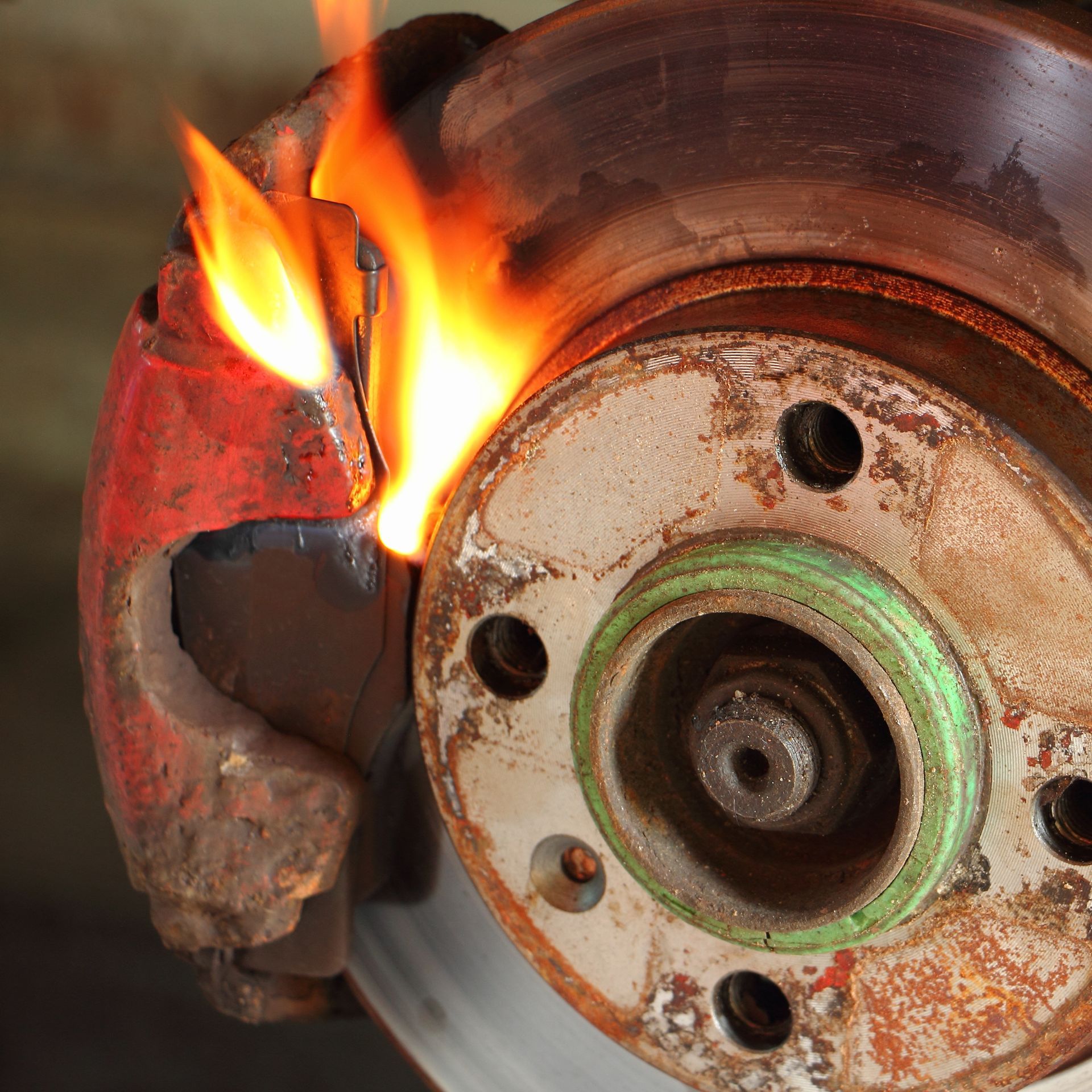
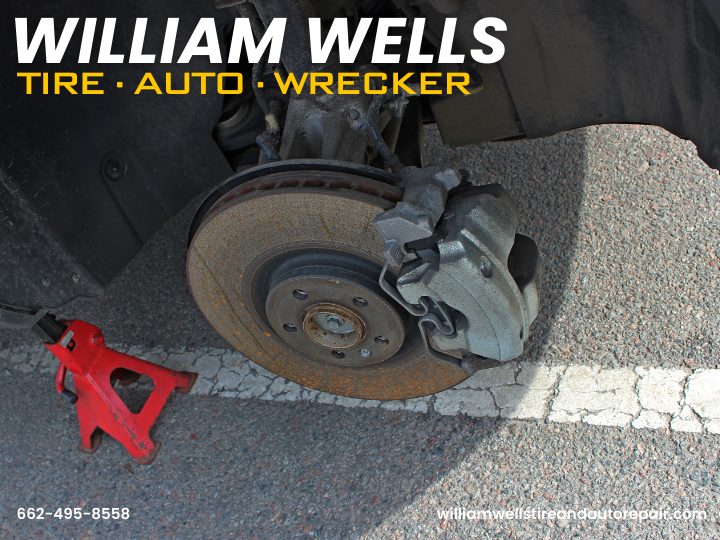
- Loose Caliper Bolts: Allow the caliper to move slightly during braking
- Worn Pad Retainers: Cause pads to rattle in the bracket
- Warped Rotors: Create uneven braking forces and thudding vibrations
Regular brake inspections ensure these components remain tight and properly aligned.
7. Frame, Exhaust, and Body: The Overlooked Sources
Sometimes, the cause of a clunk is simpler than it sounds.
a) Exhaust Hangers or Shields
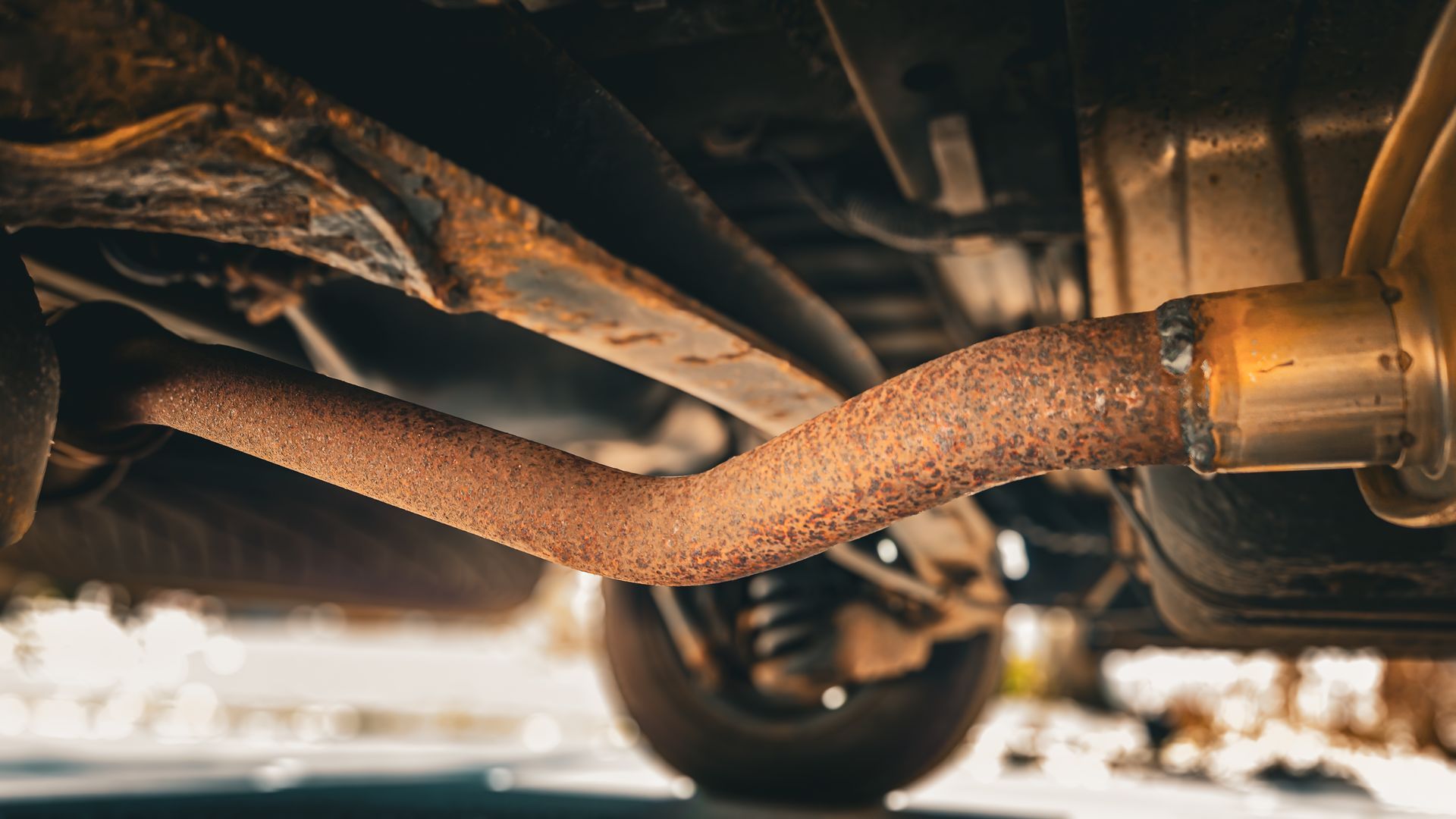
Broken or rusted exhaust hangers allow pipes to bang against the frame, creating a metallic clunk that changes with acceleration.
b) Loose Spare Tire or Bed Components
A loose spare tire carrier, toolbox, or trailer hitch can create clunking sounds that mimic suspension problems.
c) Body Mount Bushings
These rubber cushions attach the truck’s cab to the frame. When they dry out, they allow the body to move and create deep, hollow thuds over bumps.
8. Diagnosing a Clunk
Finding the source of a clunk requires observation and process of elimination.
- When does it happen? While turning, braking, accelerating, or over bumps?
- Where is it coming from? Front, rear, or under the cab?
- Is it rhythmic or random? Consistent patterns suggest rotational components like U-joints or wheels.
- Visual Check: Look for loose bolts, leaks, or cracked bushings.
- Professional Test: A technician can isolate the noise using diagnostic microphones and suspension tests.
9. Why Ignoring a Clunk Is Dangerous
A clunk is an early warning that a system is under stress. Ignoring it can lead to:
- Suspension or steering failure
- Drivetrain misalignment and vibration
- Rapid tire wear and poor handling
- Higher repair costs from secondary damage
Addressing the issue early keeps your truck safe, stable, and dependable.
10. Preventive Maintenance: How to Avoid Clunks
The best way to stop clunks before they start is through routine inspection and service.
- Lubricate suspension and driveshaft joints at every oil change
- Inspect shocks, struts, and bushings every 10,000–15,000 miles
- Perform alignments after hitting potholes or curbs
- Replace drivetrain fluids on schedule
- Tighten fasteners after hauling or off-road driving
Consistent care prevents premature wear and ensures long-term performance.
11. Mississippi Road Conditions and Their Impact
Between Starkville’s city streets, Columbus’s uneven surfaces, and the rural backroads of West Point, Mississippi drivers face conditions that take a toll on trucks. Rough roads, humidity, and temperature swings wear down suspension components and accelerate corrosion on joints and bushings.
Regular undercarriage inspections—especially after long hauls or rain-heavy seasons—can prevent these conditions from turning minor wear into major mechanical problems.
12. The Value of a Professional Inspection
While you can narrow down where the clunk is coming from, determining its exact cause requires specialized tools and experience. Professional technicians can:
- Detect play in joints and mounts
- Measure torque and suspension deflection
- Identify hidden drivetrain or alignment issues
- Ensure every repair restores your truck’s safety and smoothness
That level of precision ensures you fix the cause—not just the noise.
Conclusion: Listen Early, Act Fast, Drive Confidently
A clunk isn’t random—it’s communication. Your truck is alerting you that something isn’t aligned, tightened, or secured the way it should be. The sooner you respond, the smoother your ride, the safer your handling, and the longer your truck will last.
If you’ve started hearing a clunking sound while driving around Starkville, Columbus, or West Point, don’t ignore it. A quick inspection today can save you from major repairs tomorrow—and keep your truck performing the way it was meant to.
William Wells Tire & Auto
12919 MS-182, Starkville, MS 39759 – (662) 268-4081
1625 Gardner Blvd, Columbus, MS 39702 – (662) 240-2414
93 W Broad St, West Point, MS 39773 – (662) 495-8558
https://www.williamwellstireandautorepair.com/
Proudly serving Starkville, Columbus, West Point, and surrounding Mississippi communities.
You can watch the video