Top 5 reasons your car needs brakes
Top 5 Reasons Your Car Needs Brake Service – Safety, Performance, and Peace of Mind on the Road
Your vehicle’s braking system is the one thing you depend on most when it comes to safety. Whether you’re stopping at a light in Starkville, driving down Gardner Boulevard in Columbus, or cruising through downtown West Point, your brakes protect you every mile. Yet, over time, every braking component—from pads to fluid—wears down, reducing your ability to stop quickly and safely.
In this guide, we’ll explore the top five reasons your car needs brake service, how to recognize early warning signs, and why staying proactive with brake maintenance keeps your vehicle safe, smooth, and reliable.
1. Your Brake Pads Are Worn Down
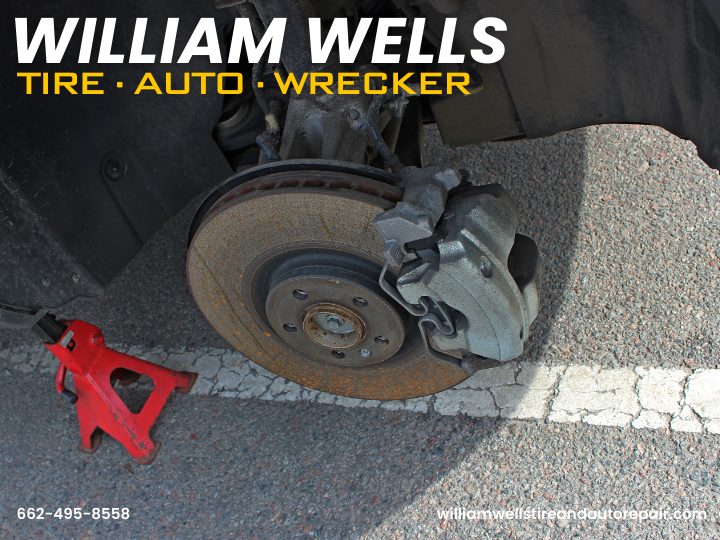
Brake pads are your car’s first layer of protection against momentum. When you press the brake pedal, the pads clamp down on your rotors to slow the vehicle. But friction wears them down with every stop, and once they become thin, performance and safety both decline.
You may notice:
- Squealing or chirping noises – Most brake pads have built-in wear indicators that squeal when it’s time for replacement.
- Grinding sounds – Indicates metal-on-metal contact, which damages your rotors and increases stopping distance.
- Vibration or pulsation – Uneven pad wear or warped rotors can cause shaking in your brake pedal or steering wheel.
- Longer stopping distances – You’ll need more time and distance to stop safely.
Driving around Starkville or Columbus, with frequent stops and warm weather, accelerates brake pad wear. The combination of city traffic and highway speeds along Highway 82 or MS-182 subjects your brakes to constant heat and pressure.
Pro Tip: Have your brake pads inspected every 5,000 miles or during each oil change. Replacing them early prevents rotor damage and ensures consistent stopping power.
2. Your Brake Fluid Is Contaminated or Low
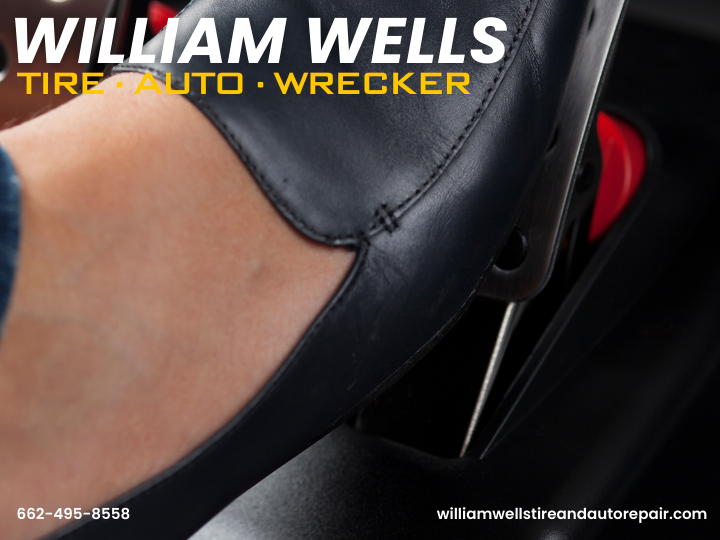
Brake fluid plays a crucial role in transferring pressure from your foot to the calipers. But over time, brake fluid absorbs moisture, which lowers its boiling point and weakens performance. Contaminated or low fluid can cause soft pedal feel, reduced responsiveness, and even internal corrosion in your braking system.
Signs of brake fluid trouble include:
- A
spongy or soft brake pedal
- Increased stopping distance
- Brake warning light illuminated
- Dirty, dark fluid in the reservoir
Mississippi’s humid climate accelerates brake fluid contamination. Moisture enters the system through microscopic pores in rubber hoses and seals, corroding brake lines and reducing hydraulic pressure.
Pro Tip: Have your brake fluid flushed every two to three years. Clear, amber-colored fluid is healthy — if it looks dark or cloudy, it’s time for service.
3. You Hear Grinding, Squealing, or Knocking Sounds
When your brakes start talking, don’t ignore them. Different sounds often point to specific issues that require attention.
Common noises and their causes:
- Squealing: Your pads are nearing the end of their life and rubbing the wear indicators against the rotor.
- Grinding: The pad material is gone, and metal is scraping metal — this damages rotors and calipers.
- Clunking or rattling: Could mean loose hardware, worn caliper brackets, or suspension issues affecting brake alignment.
Drivers in Starkville, Columbus, and West Point experience a mix of stop-and-go traffic and highway speeds that cause significant temperature fluctuations. These conditions can expand and contract brake components, making noise more noticeable as parts shift or wear unevenly.
Pro Tip: Have your brakes inspected at the first sign of unusual sounds. Early service can prevent damage to other components and keep repairs simple.
4. Your Car Vibrates, Pulls, or Feels Unstable When Braking
When your vehicle shakes, pulls to one side, or feels uneven while braking, something in your system is out of balance.
Common causes of instability include:
- Warped rotors: Heat from repeated braking can cause the rotor surface to warp, leading to vibration.
- Sticking calipers: One side of the brake system applies more pressure than the other.
- Uneven pad wear: Often caused by poor alignment or improper lubrication.
- Suspension or tire issues: These can magnify vibration and cause the car to pull to one side.
Driving conditions in Northeast Mississippi—especially rural roads, heat, and humidity—can accelerate wear on brake rotors and calipers. If your car vibrates when braking at highway speeds, it’s likely time for rotor resurfacing or replacement.
Pro Tip: Smooth braking is key to safe driving. Have your rotors checked and balanced during every brake inspection to prevent uneven wear and steering vibration.
5. The Brake Warning Light Is On
Your brake warning light is your car’s built-in safety system. When it illuminates, it means your vehicle has detected an issue that needs immediate attention.
The most common triggers include:
- Low brake fluid
- Worn pads or sensors detecting excessive wear
- ABS (Anti-lock Braking System) malfunction
- Pressure imbalance or electrical fault
If the light stays on or flashes, don’t ignore it — especially if you also notice a soft pedal or strange noises. In some cases, your brakes may still function, but not at full power. In others, the system could be moments away from failure.
Pro Tip: If the brake light comes on while driving, pull over safely and check your brake fluid. If the issue persists, have your system inspected before continuing.
Additional Warning Signs of Brake Trouble
Even if you haven’t heard noise or seen a warning light, subtle signs often appear first:
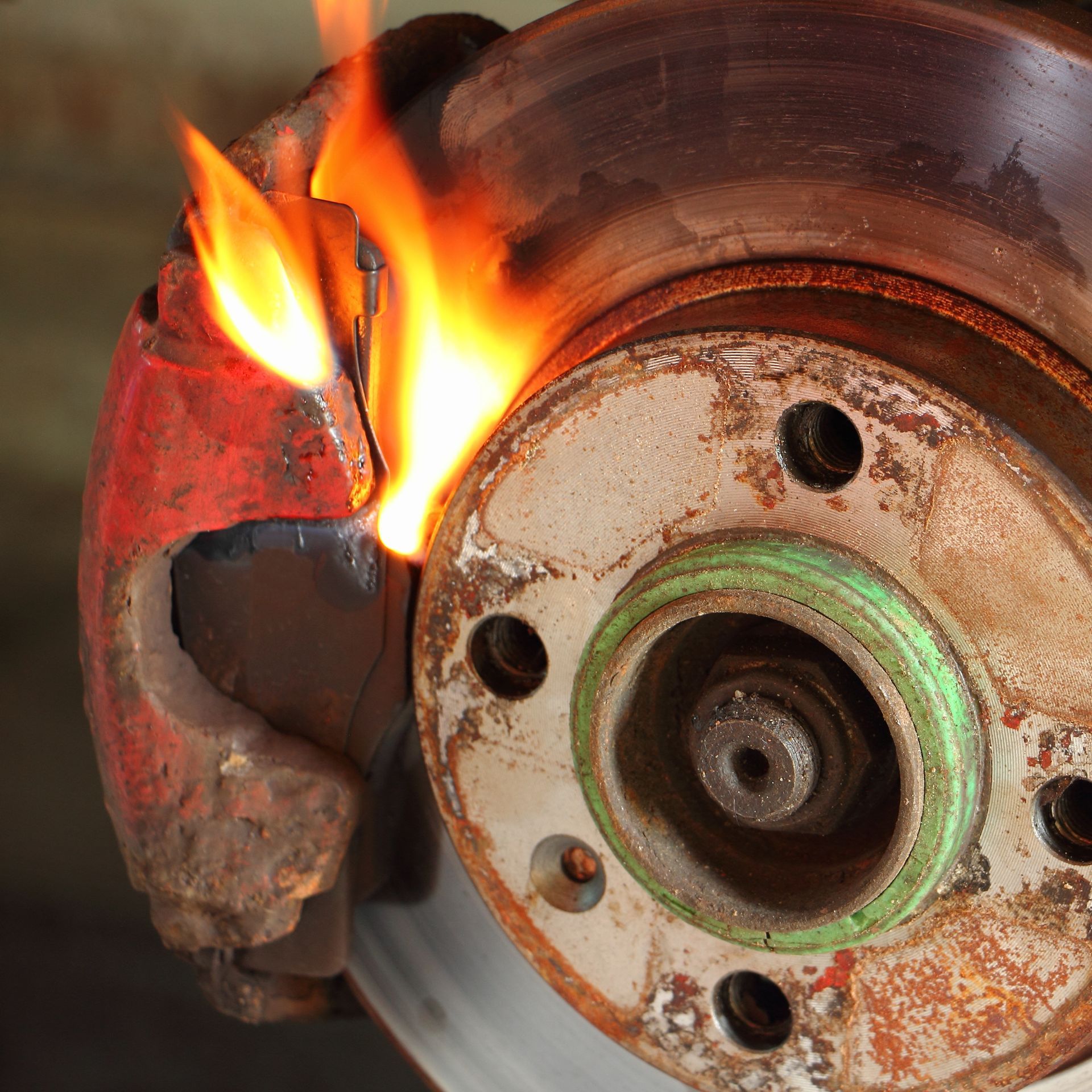
- A burning smell after driving
- Clicking or popping sounds during braking
- The car “nose-dives” when stopping
- Increased stopping distance
- A brake pedal that sinks too low
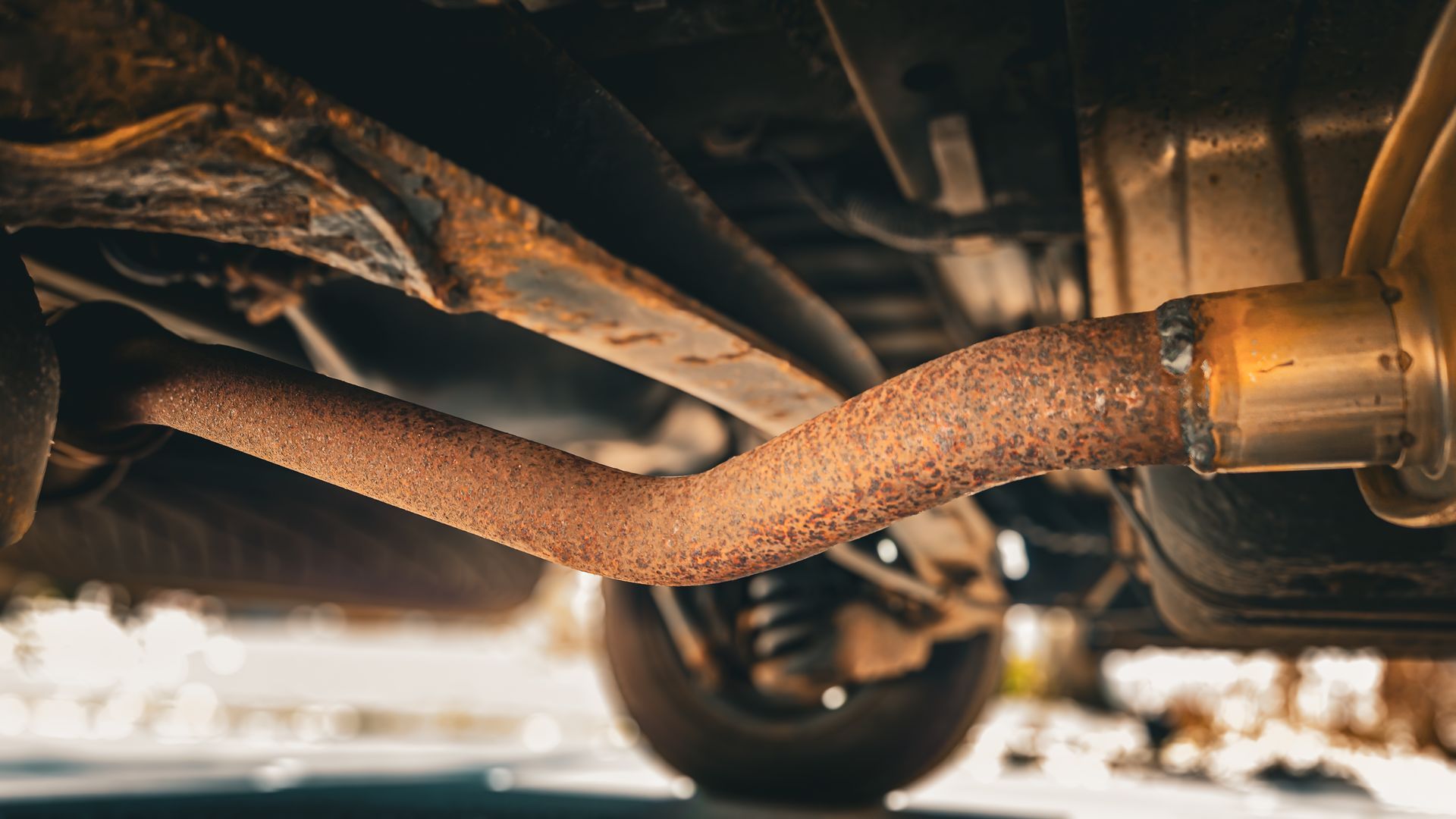
In Mississippi’s warm, humid climate, rust, corrosion, and moisture can accelerate brake wear — especially when vehicles are parked for long periods or exposed to road salt and moisture.
Why Routine Brake Maintenance Is Critical
Your brakes aren’t just a convenience — they’re your vehicle’s most important safety feature. Routine brake maintenance ensures every stop is smooth, predictable, and safe.
Benefits of regular brake service include:
- Shorter, safer stopping distances
- Improved steering stability
- Extended rotor and pad life
- Quieter operation and smoother rides
- Lower long-term repair costs
When all components — pads, rotors, calipers, and fluid — are clean and functioning properly, your braking system performs like it was designed to.
Pro Tip: Have your brakes inspected every 5,000–6,000 miles or twice a year, depending on your driving habits.
What Happens If You Ignore Brake Issues
Brake problems rarely stay small — they escalate quickly. Delaying service can trigger a chain reaction of damage throughout the system:
- Pads wear out, exposing metal to rotor surfaces.
- Rotors warp, leading to vibration and heat buildup.
- Calipers overheat, damaging seals and pistons.
- Fluid becomes contaminated, reducing hydraulic pressure.
- Complete system failure can occur if left unchecked.
Once multiple components are compromised, repairs become more complex and costly.
Pro Tip: Don’t wait for the “grind” to appear. Early maintenance protects both your vehicle and your safety.
The Science Behind Stopping Power
When you press the brake pedal, your vehicle converts kinetic energy into heat through friction. That heat can reach several hundred degrees — and over time, excessive heat causes brake fade, a temporary loss of stopping power.
Hot, humid conditions in Starkville, Columbus, and West Point make this especially relevant. Brakes in these environments operate under constant thermal stress, which speeds up fluid degradation and rotor wear.
Pro Tip: If you feel your brakes losing strength during heavy braking, pull over and allow them to cool before continuing. Then schedule a professional inspection.
How to Keep Your Brakes in Peak Condition
A few consistent habits can dramatically extend your brake life and performance:
- Inspect brakes every 5,000 miles or at each oil change.
- Replace pads before they reach minimum thickness.
- Flush brake fluid every 2–3 years.
- Rotate tires regularly for even wear.
- Avoid resting your foot on the brake pedal while driving.
These small habits keep your braking system cleaner, stronger, and safer — especially in areas like Starkville and Columbus, where local traffic and summer heat can accelerate wear.
Pro Tip: Combine brake inspections with tire rotations. It’s efficient and ensures both systems wear evenly.
Why Professional Brake Service Is Essential
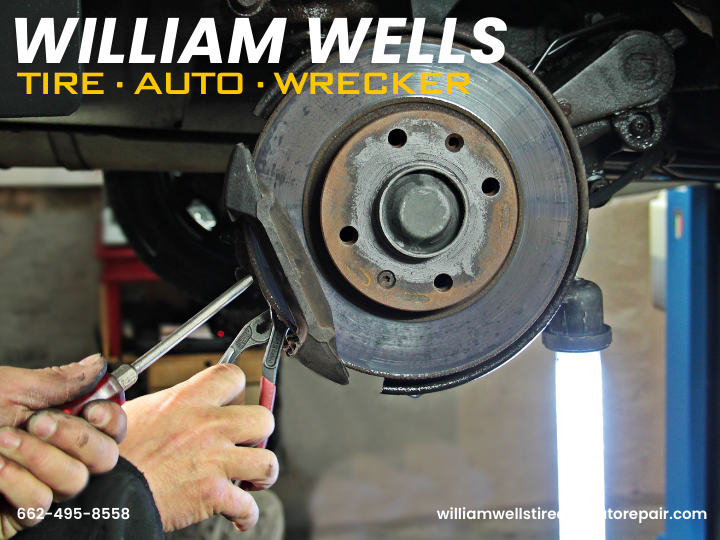
Modern braking systems involve precise electronics, hydraulic lines, and sensors that require specialized tools and expertise. A professional technician can measure pad thickness, test fluid quality, inspect calipers, and detect hidden issues you can’t see.
A complete professional brake inspection includes:
- Measuring pad and rotor thickness
- Testing brake fluid moisture content
- Inspecting calipers and lines for leaks or corrosion
- Checking ABS and traction control systems
- Cleaning and lubricating moving parts
Pro Tip: Always choose a shop that performs full-system inspections rather than quick pad replacements. Comprehensive service ensures every component works together safely and efficiently.
Conclusion: Safe Driving Starts with Reliable Brakes
Your brakes are your vehicle’s most important safety system. The top five reasons your car needs brake service — worn pads, contaminated fluid, strange noises, vibration or pulling, and warning lights — all point to one thing: your system needs attention.
Addressing brake issues early not only keeps you safe but saves you from expensive repairs later. Whether you’re driving through Starkville, Columbus, or West Point, consistent brake maintenance ensures your car stops exactly when you need it to — every single time.
If you’ve noticed any warning signs, schedule a professional brake inspection today. Reliable brakes mean peace of mind, wherever the road takes you.
William Wells Tire & Auto
12919 MS-182, Starkville, MS 39759 – (662) 268-4081
1625 Gardner Blvd, Columbus, MS 39702 – (662) 240-2414
93 W Broad St, West Point, MS 39773 – (662) 495-8558
https://www.williamwellstireandautorepair.com/
You can watch the video